The Complete Guide to Building a Sleep Supplement Stack
December 17, 20252 min read
An effective sleep supplement stack targets three distinct phases — onset (falling asleep), maintenance (staying asleep), and quality (deep + REM time) — because each phase has different physiological drivers.
Too much melatonin: The most common sleep supplement error. Melatonin is a circadian timing signal, not a sedative. Doses above 1mg overwhelm melatonin receptors, causing desensitization that makes them less responsive over time. High doses (5-10mg) can cause next-morning grogginess, vivid nightmares, and paradoxically worsen sleep onset in some people. The research-supported dose is 0.3-1mg — enough to signal "bedtime" to the SCN without pharmacological sedation. {L("Micro Melatonin")} provides this evidence-based dose.
Stimulating ingredients at night: Some "sleep formulas" include B vitamins, rhodiola, or other energizing compounds that can interfere with sleep onset. Check ingredient lists for anything that would be more appropriate in a morning formula.
Ignoring sleep hygiene: No supplement stack can overcome a bright, warm bedroom, late-night screen exposure, irregular sleep timing, or evening caffeine. Supplements enhance good sleep hygiene; they can't replace it. The "stack" should include behavioral interventions as foundational layers before any supplement.
Single-ingredient thinking: Many people try magnesium alone, get modest improvement, conclude "supplements don't work for sleep," and give up. Sleep involves multiple neurotransmitter systems, hormonal patterns, and architectural phases. A single ingredient addressing one mechanism may produce only partial improvement. The layered approach — addressing onset, maintenance, and quality — captures more of the total sleep picture.
Building Your Personal Stack: Decision Framework
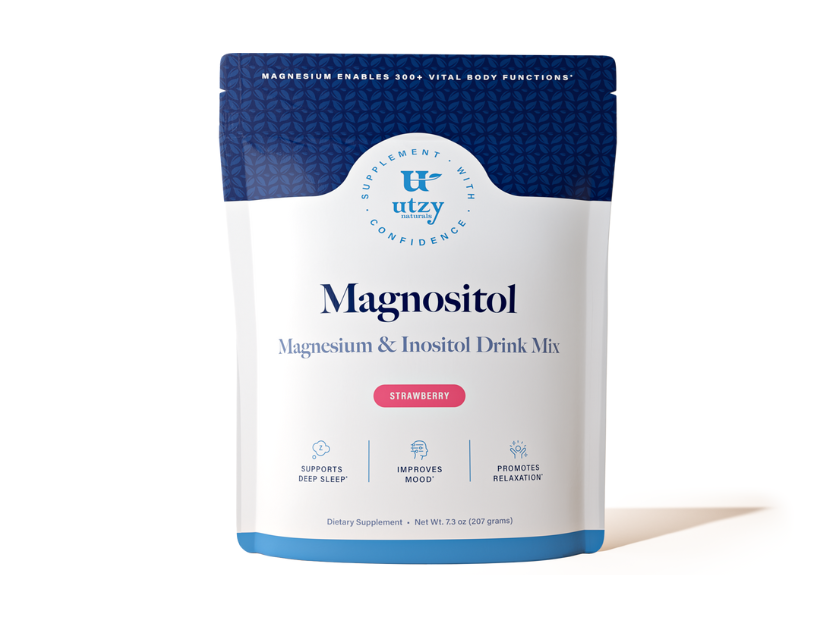
If you can't fall asleep: Start with {L("Fall Asleep")} + {L("Magnositol")} (magnesium + GABA support for the onset transition). If you fall asleep but wake at 2-4am: Start with {L("Stay Asleep")} + magnesium (maintenance support). Investigate blood sugar stability (evening protein/fat) and cortisol patterns (stress management). If you sleep 7-8 hours but feel unrefreshed: Focus on quality — {L("Adapto-Calm")} for cortisol modulation, magnesium for deeper N3, and evaluate for sleep apnea (26% of adults 30-70 have it, most undiagnosed). If everything is disrupted: The complete {L("Sleep Bundle")} addresses all three phases. Add {L("Magnositol")} and {L("Adapto-Calm")} for comprehensive support.
Frequently Asked Questions
Do I need all three layers?
Start with your primary issue. Add layers only if the first doesn't fully resolve. Most people have one dominant problem — onset, maintenance, or quality.
*These statements have not been evaluated by the Food and Drug Administration. This product is not intended to diagnose, treat, cure, or prevent any disease.