Shift Work and Sleep: Nutritional Strategies for Non-Traditional Schedules
December 18, 20253 min read
Shift work affects ~20% of the workforce and creates a fundamental conflict between circadian biology and schedule demands — increasing risk for metabolic syndrome, cardiovascular disease, digestive disorders, and mood disturbances.
The Circadian Conflict
The SCN coordinates cortisol, melatonin, body temperature, growth hormone, and digestive enzymes on a 24-hour cycle. Shift work forces activity during programmed rest and sleep during programmed wake. Full adaptation takes ~1 day per hour of shift; rotating schedules prevent adaptation entirely.
Strategies
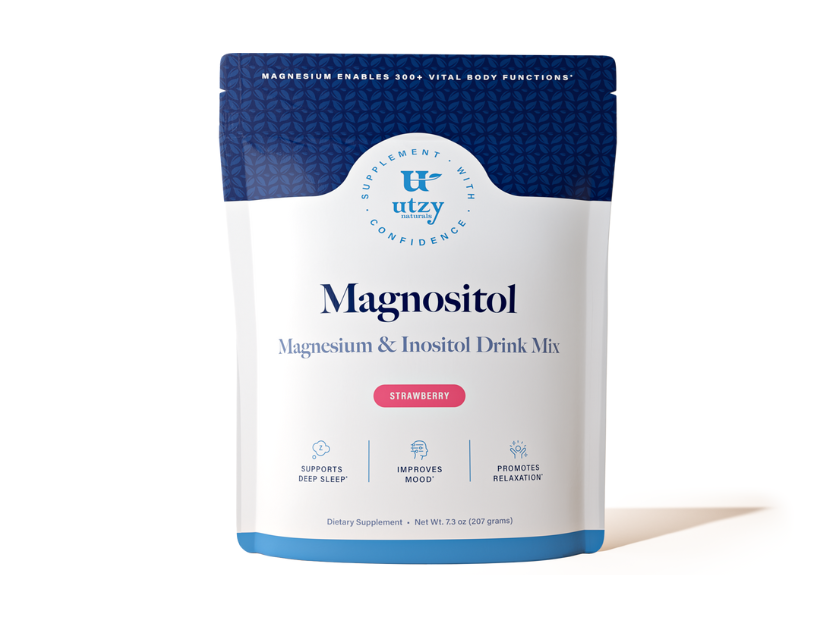
Melatonin timing: 0.3–1mg, 30–60 minutes before target sleep time. Micro Melatonin provides research-supported low dose. Light management: Bright light during work "daytime"; blue-blocking glasses on commute home. Magnesium: Before each sleep period. Magnositol. Meal timing: Largest meal during biological daytime. Night-shift eating should be light. Vitamin D: Extremely high deficiency risk — shift workers miss UVB hours. Natural D3 5,000.
Health Consequences of Chronic Circadian Disruption
Shift work isn't just inconvenient — it's a documented health risk factor. The International Agency for Research on Cancer (IARC) classified night shift work as a "probable carcinogen" (Group 2A) based on epidemiological evidence of increased breast cancer risk in long-term night-shift nurses. Beyond cancer risk, shift workers face 23% increased cardiovascular disease risk, 2-3x higher rates of metabolic syndrome and type 2 diabetes (from disrupted insulin sensitivity patterns — glucose tolerance is naturally lowest at night), significantly higher rates of depression and anxiety, increased GI disorders (including peptic ulcers and IBS — the digestive system follows its own circadian clock), and reproductive issues (irregular menstrual cycles in women, reduced fertility in both sexes).
These risks are dose-dependent — they increase with years of shift work and are worse with rotating schedules than fixed night shifts. They're also modifiable — the strategies below don't eliminate circadian disruption but measurably reduce its health burden.
Advanced Strategies for Rotating Shifts
Rotating schedules are the most challenging because the circadian clock never fully adapts. Key principles: Rotate forward (days → evenings → nights), not backward. Forward rotation is easier because the human circadian clock naturally runs slightly longer than 24 hours — it's easier to delay than advance. Minimize the number of consecutive night shifts (2-3 is better than 5-7 for health outcomes). Use strategic light exposure — bright light during the first half of your shift promotes alertness and partial circadian adjustment; avoiding bright light during the last 2 hours of a night shift and during your commute home (blue-blocking glasses) protects the melatonin signal for your upcoming sleep period.
Anchor sleep: If a fixed 8-hour sleep period is impossible with rotation, maintain at least a 4-hour "anchor sleep" at the same clock time regardless of schedule — this partial consistency gives the SCN some stable reference point.
Nutrition Timing for Shift Workers
Eating during the biological night (roughly 10pm-6am) produces larger glucose spikes and more insulin resistance than the same food eaten during the day. Shift workers eating their main meal at 2am experience metabolic consequences beyond what the calories alone would predict. Practical strategies: eat your largest meal before your shift (during your biological daytime), keep night-shift eating light and protein-focused (protein has less glycemic impact than carbohydrates and helps maintain alertness), avoid high-glycemic foods during the biological night, and maintain adequate hydration (dehydration worsens both cognitive performance and metabolic function during night shifts).
Frequently Asked Questions
Can shift workers fully adapt?
Fixed night-shift workers can partially adapt over 2–3 weeks with consistent timing (including days off). Rotating schedules prevent full adaptation because the clock never resets before the next rotation.
*These statements have not been evaluated by the Food and Drug Administration. This product is not intended to diagnose, treat, cure, or prevent any disease.