Perimenopause Nutrition: What Changes and What Helps
October 22, 20253 min read
Perimenopause — the 4–10 year transition before menopause — changes nutrient needs significantly as declining estrogen affects bone density, cardiovascular protection, neurotransmitter balance, metabolic efficiency, and sleep architecture.
How Changing Hormones Shift Nutrient Needs
Estrogen isn't just a reproductive hormone — it influences virtually every organ system. As estrogen levels fluctuate and decline during perimenopause, its protective effects on bone mineralization, cardiovascular function, serotonin production, collagen synthesis, and insulin sensitivity diminish. Nutritional support can partially compensate for some of these losses.
Bone health: Estrogen suppresses osteoclast (bone-resorbing cell) activity. As estrogen declines, bone resorption accelerates — women can lose up to 20% of bone density in the 5–7 years surrounding menopause. Calcium (1,200mg daily from food plus supplements), vitamin D (4,000–5,000 IU to maintain 40–60 ng/mL), vitamin K2 (directs calcium to bones), and magnesium (required for calcium metabolism and bone crystal formation) all become more critical.
Mood and sleep: Estrogen modulates serotonin receptor density and availability. Its decline is directly linked to the mood changes, anxiety, and sleep disruption common in perimenopause. B6 (serotonin synthesis cofactor), magnesium (GABA support), and adequate protein (tryptophan as serotonin precursor) help support neurotransmitter function during this transition.
Cardiovascular protection: Premenopausal women enjoy relative cardiovascular protection partly due to estrogen's effects on lipid metabolism and endothelial function. After menopause, cardiovascular risk rises rapidly. Omega-3 fatty acids, CoQ10, and magnesium become important cardiovascular nutrients.
Metabolic shifts: Declining estrogen reduces insulin sensitivity and shifts fat distribution toward visceral (abdominal) storage. Inositol, chromium, and berberine support glucose metabolism during this metabolic transition.
Key Supplements for Perimenopause
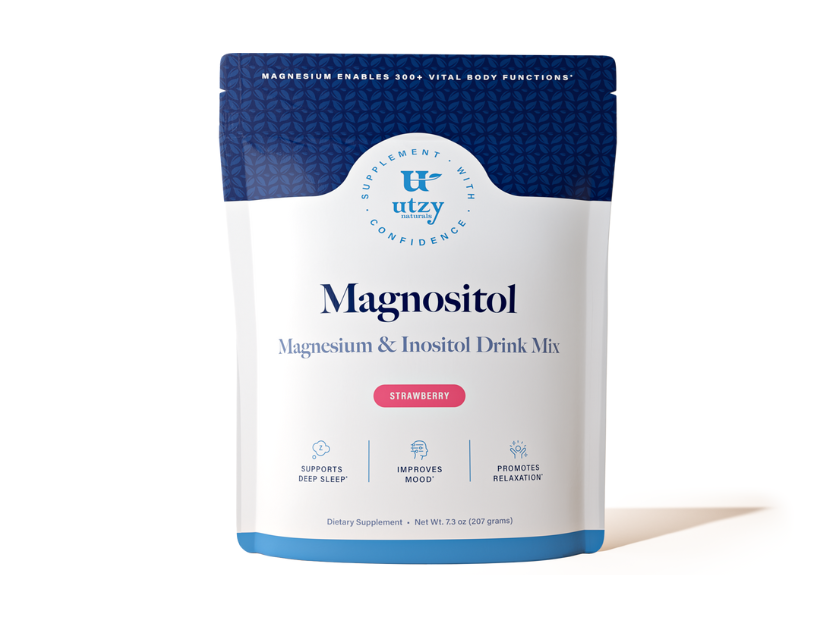
Magnositol combines magnesium glycinate with inositol — addressing bone health, sleep quality, mood support, and metabolic function simultaneously. Essentially-U provides comprehensive multivitamin/mineral coverage with methylated B vitamins and key cofactors. Natural D3 5,000 delivers the vitamin D dose critical for bone preservation and immune function during hormonal transition.
Declining estrogen shifts fat distribution from subcutaneous (hips and thighs) to visceral (abdominal) — even without changes in total weight. Visceral fat is metabolically active, producing inflammatory adipokines and worsening the insulin resistance that accompanies hormonal transition. This explains the common perimenopausal complaint of "gaining weight around my middle without eating differently."
Nutritional strategies include maintaining adequate protein intake (1.2-1.6g per kg body weight daily) to preserve lean mass, which declines by approximately 3-8% per decade after age 30 without resistance training. Magnesium and inositol support insulin sensitivity during the metabolic transition. Omega-3 fatty acids modulate the inflammatory cytokines produced by visceral adipose tissue. And resistance training — arguably the single most important intervention for perimenopausal body composition — preserves muscle mass, increases metabolic rate, supports bone density, and improves insulin sensitivity simultaneously.
Bone Density: The Silent Countdown
Women can lose up to 20% of bone density in the 5-7 years surrounding menopause — a staggering rate of loss that slows afterward but never stops entirely. The window for intervention is narrow: bone lost during this transition is difficult to recover later. Calcium (1,200mg daily from food plus supplements), vitamin D (4,000-5,000 IU to maintain blood levels of 40-60 ng/mL), vitamin K2 (MK-7 form, directs calcium to bones), magnesium (required for bone crystal formation and calcium metabolism), and weight-bearing exercise (directly stimulates osteoblast activity) form the evidence-based bone preservation protocol.
Frequently Asked Questions
When should I adjust my supplement routine for perimenopause?
Most women benefit from proactive nutritional optimization starting in their early 40s — before significant symptoms appear. Bone density loss accelerates in the years immediately surrounding menopause, so early intervention preserves more bone mass than waiting until loss is measurable on a DEXA scan.
Can supplements replace hormone therapy?
Supplements support nutrient needs that change during perimenopause but don't replicate hormone therapy's direct effects on estrogen receptors. They're complementary approaches, not substitutes. Discuss hormone therapy options with your gynecologist or endocrinologist based on your individual risk profile and symptom severity.
*These statements have not been evaluated by the Food and Drug Administration. This product is not intended to diagnose, treat, cure, or prevent any disease.