Magnesium and PMS: How Mineral Support Eases Monthly Symptoms
October 21, 20253 min read
Magnesium supplementation can meaningfully reduce PMS symptoms — including menstrual cramps, mood changes, water retention, breast tenderness, and headaches — through mechanisms involving smooth muscle relaxation, neurotransmitter modulation, and prostaglandin regulation.
Why Magnesium and PMS Are Connected
Multiple studies have documented lower serum and red blood cell magnesium levels during the luteal phase (the two weeks before menstruation) compared to the follicular phase. This cyclical depletion correlates with PMS symptom severity — women with the most pronounced luteal magnesium drops tend to report the worst symptoms.
The mechanisms connecting magnesium to PMS are well-characterized. Magnesium relaxes smooth muscle (including uterine muscle), reducing the intensity of menstrual cramps. It modulates GABA receptor activity, supporting the calming neurotransmission that helps with luteal-phase anxiety and irritability. It regulates aldosterone (a hormone that promotes water retention), helping reduce bloating and breast tenderness. And it inhibits inflammatory prostaglandin production — the same prostaglandins that cause cramping and pain.
What the Research Shows
A study in the Journal of Women's Health found that magnesium supplementation at 200mg daily for two menstrual cycles significantly reduced PMS symptom scores compared to placebo — particularly for mood changes, water retention, and pain. When combined with vitamin B6 (which supports serotonin synthesis), the effects were even more pronounced. A Cochrane-style review of magnesium for dysmenorrhea (painful periods) found evidence of reduced pain severity with supplementation at 300–400mg daily starting in the luteal phase.
Dosing Strategy
For PMS specifically: 300–400mg of elemental magnesium daily as glycinate or bisglycinate (best tolerated, calming effects). Some women benefit from increasing the dose to 400–500mg during the luteal phase and reducing to 200–300mg during the follicular phase. Magnesium glycinate is preferred over citrate or oxide for PMS because glycine's calming neurotransmitter effects complement magnesium's smooth muscle relaxation.
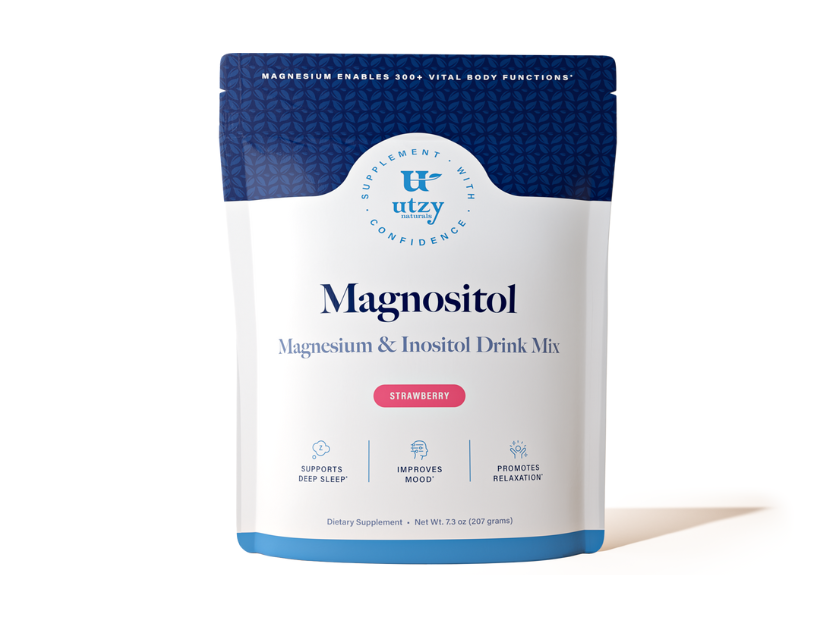
Magnositol combines magnesium glycinate with inositol — a pairing particularly relevant for women because inositol independently supports hormonal balance and mood regulation, creating synergistic benefits for PMS, PMDD, and PCOS-related symptoms.
Menstrual cramps (dysmenorrhea) are driven by prostaglandin F2-alpha, an inflammatory mediator produced by the uterine lining that causes myometrial contractions. Women with more severe cramps have measurably higher prostaglandin levels. Magnesium reduces prostaglandin production through two mechanisms: direct inhibition of prostaglandin synthesis and modulation of calcium-mediated smooth muscle contraction (magnesium acts as a natural calcium channel blocker in myometrial tissue).
This dual mechanism — reducing both the chemical signal (prostaglandin) and the muscle's response to it (calcium-mediated contraction) — explains why magnesium is more effective for menstrual cramps than either an anti-prostaglandin (like ibuprofen) or a muscle relaxant alone might predict.
Magnesium and Menstrual Migraines
Menstrual migraines (migraines occurring within 2 days before through 3 days after the start of menstruation) affect approximately 60% of women migraineurs. The trigger is the rapid estrogen drop at the end of the luteal phase, which reduces magnesium-dependent serotonin availability. Both the American Headache Society and the American Academy of Neurology include magnesium in their evidence-based preventive migraine guidelines. Doses of 400-600mg daily have demonstrated reduced frequency and severity of menstrual migraines in clinical trials — this is a higher dose than general PMS supplementation and should be built up gradually to avoid GI effects.
Frequently Asked Questions
Should I take magnesium all month or just before my period?
Daily supplementation provides the most consistent benefit — magnesium doesn't accumulate quickly enough for "just before your period" dosing to be maximally effective. Some women increase their dose during the luteal phase but maintain a baseline daily dose throughout.
Can magnesium help with menstrual migraines?
Yes — the American Headache Society and American Academy of Neurology both include magnesium in their evidence-based guidelines for migraine prevention. Doses of 400–600mg daily (typically as oxide or glycinate) have demonstrated preventive benefit in multiple trials.
*These statements have not been evaluated by the Food and Drug Administration. This product is not intended to diagnose, treat, cure, or prevent any disease.