PCOS and Inositol: What the Research Actually Shows
October 20, 20253 min read
Clinical trials demonstrate that myo-inositol supplementation at 2,000–4,000mg daily significantly improves insulin sensitivity, ovulatory function, and hormonal markers in women with polycystic ovary syndrome (PCOS) — with effects comparable to metformin in some studies but with fewer side effects.
PCOS and Insulin Resistance: The Core Connection
PCOS affects approximately 10% of women of reproductive age and is the leading cause of anovulatory infertility. While PCOS presents with diverse symptoms — irregular periods, acne, excess hair growth, weight gain, and difficulty conceiving — the underlying driver in most cases is insulin resistance. Elevated insulin stimulates ovarian androgen production (testosterone and DHEA-S) and disrupts the LH:FSH ratio that governs ovulation.
This means that interventions targeting insulin sensitivity can address PCOS at its metabolic root rather than just managing individual symptoms.
How Myo-Inositol Works in PCOS
Myo-inositol is a naturally occurring sugar alcohol that functions as a second messenger in insulin signaling. It enhances insulin receptor sensitivity — meaning cells respond more effectively to insulin, requiring less of it to manage glucose. Lower insulin levels reduce ovarian androgen production, which in turn improves follicular development and ovulatory function.
The clinical evidence is substantial. A 2012 meta-analysis in Gynecological Endocrinology pooling multiple RCTs found that myo-inositol at 4,000mg daily reduced fasting insulin, testosterone, and LH:FSH ratio while improving menstrual regularity. A head-to-head comparison with metformin showed comparable effects on metabolic parameters but fewer gastrointestinal side effects. Multiple studies demonstrate improved ovulation rates and increased pregnancy rates in women with PCOS using myo-inositol as part of their fertility protocol.
Dosing and What to Look For
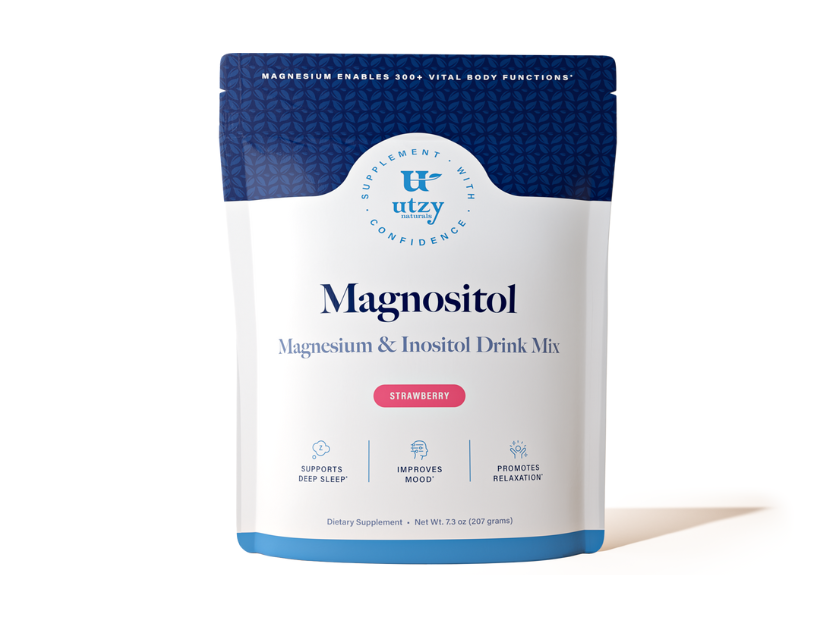
The clinically studied dose is 2,000–4,000mg of myo-inositol daily, typically divided into two doses with meals. Some protocols combine myo-inositol with D-chiro-inositol in a 40:1 ratio (reflecting the natural ratio in the body), though the evidence for this specific combination is still emerging. Magnositol from Utzy Naturals combines inositol with magnesium glycinate, addressing both the insulin-sensitizing benefits of inositol and the magnesium needs that are elevated in many women with PCOS.
While the fertility evidence drives most clinical interest, inositol's insulin-sensitizing effects have broader metabolic implications. Women with PCOS have elevated risk for type 2 diabetes, gestational diabetes, cardiovascular disease, and non-alcoholic fatty liver disease — all linked to the underlying insulin resistance. Inositol supplementation addresses this metabolic foundation rather than just managing individual symptoms.
A 2018 study in the International Journal of Endocrinology found that myo-inositol supplementation reduced not only insulin and glucose markers but also total cholesterol, triglycerides, and systolic blood pressure in overweight women with PCOS — suggesting cardiovascular benefits beyond glucose metabolism alone. These effects emerged within 6 months of consistent supplementation.
Combining Inositol with Lifestyle Changes
Inositol works best as part of a comprehensive PCOS management strategy. Resistance exercise increases GLUT4 transporter expression (improving glucose uptake independently of insulin). Anti-inflammatory nutrition reduces the chronic inflammation that worsens both insulin resistance and ovarian dysfunction. Stress management supports healthy cortisol patterns (elevated cortisol worsens insulin resistance). And adequate sleep (7-9 hours) supports glucose metabolism — even one night of poor sleep measurably increases insulin resistance the following day.
Frequently Asked Questions
How long does it take for inositol to improve PCOS symptoms?
Most studies show measurable hormonal improvements within 3–6 months of consistent use. Menstrual regularity often improves within 2–3 cycles. Metabolic markers (fasting insulin, glucose) may improve within 8–12 weeks.
Can I take inositol alongside metformin?
Some practitioners use both together. Discuss with your endocrinologist or reproductive specialist — the combination may allow lower metformin doses, reducing GI side effects while maintaining metabolic benefits.
Is inositol only for women with PCOS?
No — inositol has broader applications in anxiety/mood support, metabolic health, and sleep. However, the strongest clinical evidence is specifically for PCOS-related insulin resistance and ovulatory dysfunction.
*These statements have not been evaluated by the Food and Drug Administration. This product is not intended to diagnose, treat, cure, or prevent any disease.