How Stress Depletes Your Nutrients: The Vicious Cycle
October 01, 20254 min read
Chronic stress depletes magnesium, B vitamins, vitamin C, and zinc through increased urinary excretion and elevated metabolic demand — creating a vicious cycle where nutrient depletion worsens your body's ability to manage the very stress that caused the depletion.
How Stress Burns Through Nutrients
When your HPA (hypothalamic-pituitary-adrenal) axis activates in response to a stressor, cortisol production ramps up. This is metabolically expensive. Cortisol synthesis in the adrenal cortex requires vitamin C (the adrenal glands have the highest vitamin C concentration of any organ), B5 (pantothenic acid, needed for coenzyme A in steroid synthesis), and cholesterol as the structural backbone.
Sustaining the stress response also consumes magnesium (used as a cofactor in over 300 enzymatic reactions, many of which accelerate under stress), B6 (needed for catecholamine synthesis — dopamine, norepinephrine, epinephrine), and zinc (essential for immune function that becomes suppressed during prolonged stress). Simultaneously, stress increases urinary excretion of magnesium and zinc through cortisol-mediated effects on renal tubular reabsorption.
The Feedback Loop
Here's where the cycle becomes self-reinforcing: the nutrients consumed and excreted during the stress response are the same nutrients your nervous system needs to modulate that response. Magnesium is required for GABA receptor function — your primary inhibitory (calming) neurotransmitter system. When magnesium drops, GABA signaling weakens, making you more reactive to stress stimuli. B6 is required for serotonin synthesis; depletion contributes to mood instability and anxiety. Vitamin C depletion impairs adrenal function, leading to dysregulated cortisol patterns. Zinc depletion weakens immune surveillance, increasing susceptibility to illness — which adds physiological stress on top of psychological stress.
This isn't theoretical. A 2020 study in Nutrients found that adults under chronic work stress had significantly lower serum levels of magnesium, B6, B12, and zinc compared to matched controls — and those with the most severe depletions reported the highest perceived stress levels.
Breaking the Cycle
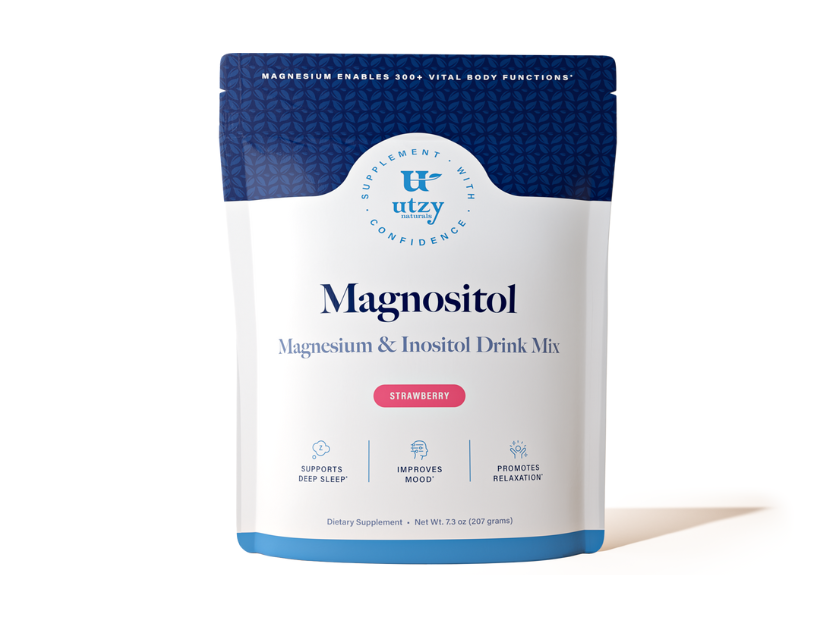
The strategy requires working both sides simultaneously: replenish depleted nutrients while modulating the stress response that drives depletion. Adapto-Calm combines ashwagandha (clinically shown to reduce cortisol by 23–28% in controlled trials) with complementary adaptogens that support HPA axis regulation. Magnositol provides magnesium glycinate (highly bioavailable, calming) paired with inositol, which supports healthy cortisol patterns and is studied for anxiety reduction at clinical doses. Vitamin B Complex restores the B vitamins consumed by sustained stress activation.
Lifestyle interventions compound these effects: consistent sleep timing (stabilizes cortisol rhythm), regular moderate exercise (metabolizes stress hormones), deliberate recovery practices (breathing techniques, nature exposure), and dietary quality (reducing processed food, caffeine, and alcohol that accelerate nutrient loss).
The adrenal glands contain the highest vitamin C concentration of any organ — roughly 100 times plasma levels. Vitamin C is a required cofactor for cortisol synthesis through hydroxylation reactions catalyzed by cytochrome P450 enzymes. During acute stress, adrenal vitamin C is rapidly consumed as cortisol production accelerates.
A study in Pakistan Journal of Biological Sciences found that vitamin C supplementation at 1,000mg daily significantly attenuated cortisol and blood pressure responses to psychological stress. Maintaining adequate adrenal vitamin C stores prevents the compensatory HPA axis overactivation that occurs when vitamin C runs low and cortisol synthesis becomes less efficient. During high-stress periods, vitamin C requirements increase well beyond the RDA of 75-90mg — supplemental vitamin C at 500-1,000mg daily supports adrenal function without the GI distress that megadosing causes.
Zinc: Immune Vulnerability Under Stress
Cortisol directly increases urinary zinc excretion while simultaneously increasing metallothionein expression, which sequesters zinc intracellularly and reduces its availability for immune cell function. This creates a specific vulnerability: stressed individuals lose zinc faster while their immune systems need it more urgently (stress itself increases infection susceptibility through cortisol-mediated immune suppression).
The practical consequence is the well-documented pattern of getting sick during or after periods of high stress. The combination of cortisol-suppressed immune function and zinc depletion creates a double vulnerability that targeted supplementation can address.
Frequently Asked Questions
Can supplements alone fix stress-related depletion?
Supplements restore your biochemical capacity to cope with stress. But if the stressor itself isn't addressed — through lifestyle changes, boundary-setting, sleep improvement, or professional support — you're continuously refilling a leaking bucket. Both sides matter.
How do I know if stress is depleting my nutrients?
Common indicators: fatigue disproportionate to sleep, increased muscle tension or cramping (magnesium), heightened irritability or anxiety (B vitamins, magnesium), frequent illness (zinc, vitamin C), and difficulty recovering from exercise. Testing RBC magnesium, B12, vitamin D, and zinc can confirm suspected depletions.
How long does it take to recover from stress-induced depletion?
With consistent supplementation and reduced stressor load, most people notice meaningful improvement in 2–4 weeks. Full tissue replenishment of magnesium may take 6–12 weeks. The key is consistency — intermittent supplementation during high-stress periods is less effective than sustained daily intake.
*These statements have not been evaluated by the Food and Drug Administration. This product is not intended to diagnose, treat, cure, or prevent any disease.