5 Signs Your Body Is Telling You to Slow Down This Fall
September 26, 20254 min read
Persistent fatigue, disrupted sleep, increased sugar cravings, irritability, and getting sick more frequently are your body's signals that it needs rest and targeted nutritional replenishment — not another cup of coffee or a harder workout.
1. You're Exhausted Even After Sleeping
If 7–8 hours of sleep isn't restoring your energy, the issue may not be sleep duration but sleep quality and nutrient status. Fall's decreasing daylight disrupts melatonin timing, and seasonal shifts in temperature and light can fragment sleep architecture — reducing the deep sleep and REM stages where physical and cognitive restoration occurs.
Magnesium glycinate supports GABA receptor function (your primary calming neurotransmitter system) and helps relax skeletal muscle tension that interferes with sleep onset. Adaptogens like ashwagandha have been shown in clinical trials to reduce cortisol levels by 28% and improve sleep quality scores when taken consistently over 8 weeks.
This is different from normal seasonal adjustment. If unrefreshing sleep persists for more than 2 weeks despite reasonable sleep hygiene, consider testing vitamin D (deficiency causes fatigue independent of sleep), B12, iron/ferritin, and thyroid function.
2. Sugar and Carb Cravings Are Getting Stronger
Intensifying cravings for quick-energy foods — sweets, bread, pasta, chips — signal blood sugar instability or micronutrient depletion that your brain interprets as an energy emergency. Magnesium deficiency (affecting over 50% of adults) is directly associated with increased carbohydrate cravings. B vitamins — particularly B1 (thiamine), B5 (pantothenic acid), and B6 (pyridoxine) — are essential cofactors at every stage of the energy production chain from glucose to ATP. When these are depleted by stress, poor diet, or increased metabolic demand, your body demands quick fuel as a workaround.
The combination of shorter days (less serotonin production), increased stress (more cortisol, more glucose demand), and nutrient depletion creates a perfect storm for carb cravings in fall. Addressing the underlying nutrient gaps — particularly magnesium and B vitamins — can reduce cravings more sustainably than willpower alone.
3. You're Getting Sick More Often
If you're catching every cold that circulates through your office, school, or household, your immune system is likely running on depleted reserves. Chronic stress is the most common culprit — sustained cortisol elevation measurably suppresses lymphocyte proliferation, NK cell activity, and secretory IgA production in mucosal surfaces (your first-line immune barrier in the nose and throat).
The nutrients that deplete fastest under stress — zinc, vitamin D, vitamin C, and magnesium — happen to be the same ones your immune system depends on most. This creates a vulnerability cycle: stress depletes immune nutrients, depleted immunity means more illness, illness increases physiological stress, which depletes more nutrients.
4. Your Mood and Motivation Are Declining
Seasonal shifts in light exposure reduce serotonin production through decreased retinal light stimulation of the suprachiasmatic nucleus — the brain's master circadian clock. Even in people without clinical Seasonal Affective Disorder (SAD), this reduction can cause subclinical mood changes: decreased motivation, mild anhedonia (reduced pleasure from normally enjoyable activities), social withdrawal, and difficulty concentrating.
Several nutrients are directly involved in neurotransmitter synthesis. Vitamin D regulates tryptophan hydroxylase-2, the enzyme that converts tryptophan to serotonin in the brain. B6 is a cofactor for the synthesis of serotonin, dopamine, GABA, and melatonin. Magnesium modulates NMDA receptor activity, and deficiency is associated with increased anxiety and depressive symptoms in clinical studies.
5. Recovery from Exercise Takes Longer
If workouts that once felt manageable now leave you sore for days, or if your performance has plateaued despite consistent training, your body is signaling depleted recovery resources. Magnesium is lost through sweat and is critical for muscle relaxation, protein synthesis, and ATP production. Omega-3 fatty acids modulate the resolution phase of exercise-induced inflammation. Antioxidant reserves (glutathione, vitamins C and E) manage the oxidative stress generated by intense physical activity.
Slower recovery in fall specifically may also reflect vitamin D decline (VDRs in skeletal muscle affect contractile efficiency), disrupted sleep (growth hormone release occurs primarily during deep sleep), and accumulated stress that diverts recovery resources toward cortisol management.
What to Do About It
Rather than pushing through these signals with stimulants or sheer willpower, treat them as diagnostic data. Each symptom points to specific nutritional and lifestyle interventions:
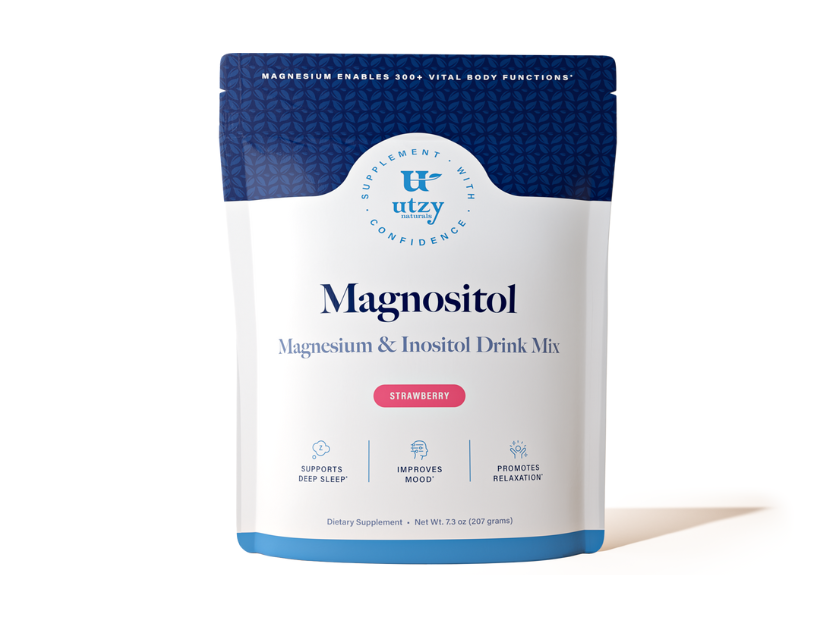
Adapto-Calm supports healthy cortisol modulation with ashwagandha and complementary adaptogens — addressing the stress axis that drives many of these symptoms. Magnositol combines magnesium glycinate with inositol for nervous system support, muscle relaxation, and blood sugar stability. Vitamin B Complex restores the B vitamins that stress and poor seasonal diet deplete most rapidly.
How do I know if my fatigue is seasonal or something more serious?
If these symptoms persist despite adequate sleep, nutrition improvements, and stress management for more than 2–3 weeks, bloodwork is warranted. Test thyroid function (TSH, free T3, free T4), vitamin D, B12, iron/ferritin, and a comprehensive metabolic panel. This rules out medical causes and identifies specific nutrient deficiencies.
Does everyone experience seasonal energy changes?
Most people notice some shift in energy and mood as daylight decreases, but severity varies widely based on latitude, individual neurochemistry, genetic factors (some people are genetically more light-sensitive), and baseline nutritional status. People with replete nutrient levels generally experience milder seasonal transitions.
Can I just take a multivitamin to cover these gaps?
A quality multivitamin like Essentially-U provides foundational coverage, but targeted nutrients at therapeutic doses (magnesium at 300–400mg, B vitamins in methylated forms, vitamin D at 5,000 IU) often exceed what a multivitamin alone delivers. Think of a multivitamin as your nutritional floor, with targeted supplements addressing specific needs.
*These statements have not been evaluated by the Food and Drug Administration. This product is not intended to diagnose, treat, cure, or prevent any disease.