Why You're Tired All the Time (and What to Do About It)
September 30, 20254 min read
Chronic fatigue has multiple nutritional root causes beyond poor sleep — including B12 deficiency, low iron/ferritin, insufficient vitamin D, blood sugar instability, and magnesium depletion. Identifying the specific driver is far more effective than generic "energy" supplements.
B12 and Iron: The Oxygen Delivery Problem
Both B12 and iron are essential for oxygen-carrying red blood cell production, but they cause different types of anemia. B12 deficiency causes megaloblastic anemia — large, immature red blood cells that can't carry oxygen efficiently. Iron deficiency causes microcytic anemia — small, hemoglobin-poor cells that deliver inadequate oxygen to tissues. Either results in tissue-level oxygen deprivation, and fatigue is the earliest symptom.
B12 deficiency is common in vegetarians/vegans (B12 is found almost exclusively in animal products), older adults (declining intrinsic factor production), and people on metformin or PPIs (both impair B12 absorption). Iron deficiency disproportionately affects menstruating women — approximately 10% of US women of reproductive age are iron-deficient.
Critical testing note: standard serum B12 can appear normal even with functional deficiency. Methylmalonic acid (MMA) and homocysteine are more sensitive markers. For iron, ferritin is more informative than serum iron — optimal ferritin is 40–100 ng/mL, not just "above the lab reference range" which often starts at an inappropriately low 12 ng/mL.
Vitamin D: The Overlooked Energy Nutrient
Multiple studies demonstrate that vitamin D deficiency is independently associated with fatigue after controlling for sleep, mood, and other variables. Vitamin D receptors in skeletal muscle regulate mitochondrial function and contractile efficiency — when levels drop, physical tasks require disproportionate effort and recovery takes longer. A 2016 study in the North American Journal of Medical Sciences found that correcting vitamin D deficiency significantly improved fatigue scores within 5 weeks.
Blood Sugar Instability
Reactive hypoglycemia — blood sugar spikes followed by crashes — causes predictable energy dips 2–3 hours after meals, especially carbohydrate-heavy ones. Symptoms include sudden fatigue, difficulty concentrating, irritability, and carbohydrate cravings. This isn't diabetes; it affects metabolically healthy people whose meal composition outpaces their insulin response. Dietary strategies (more protein, fat, and fiber with meals) and supplements supporting glucose metabolism (berberine, chromium, inositol) can stabilize the pattern.
Magnesium Depletion
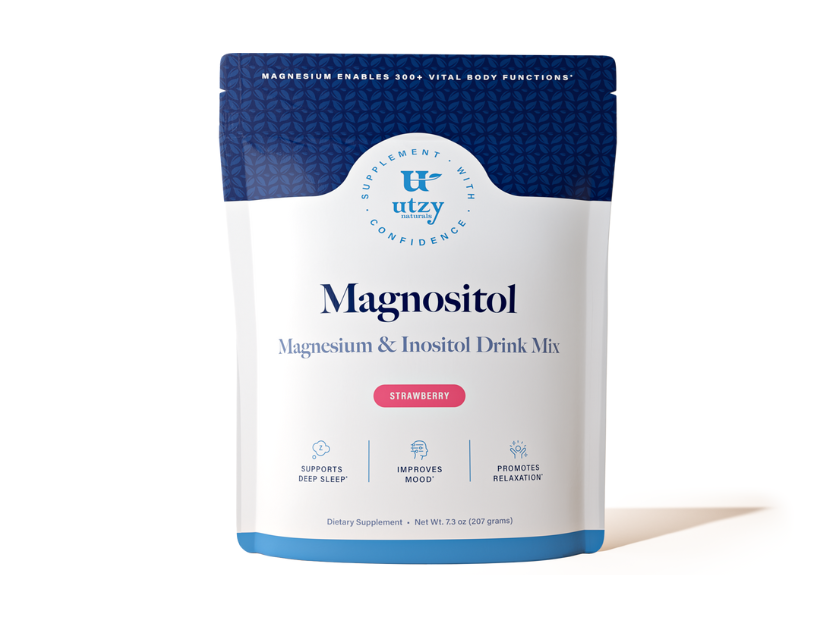
Magnesium is required for ATP production — your mitochondria literally cannot produce cellular energy without it. Magnesium participates in both substrate-level phosphorylation and oxidative phosphorylation. Depleted magnesium means less efficient energy production from every calorie you eat, regardless of your diet quality. Chronic stress, alcohol, processed food diets, and certain medications all drain magnesium reserves.
What to Test
If fatigue persists more than 2–3 weeks despite adequate sleep, request these labs: CBC with differential, ferritin (not just serum iron), 25(OH)D, B12 (plus MMA if borderline), thyroid panel (TSH, free T3, free T4), fasting glucose and HbA1c, and RBC magnesium (serum magnesium is unreliable — only 1% of body magnesium is in serum).
Vitamin B Complex restores the B vitamins most commonly depleted by stress. Essentially-U provides comprehensive multivitamin/mineral coverage. Natural D3 5,000 addresses the vitamin D gap that affects over 40% of adults.
Thyroid dysfunction is one of the most common yet underdiagnosed causes of chronic fatigue — particularly in women, who are 5-8 times more likely to develop thyroid disease. Standard TSH testing alone misses subclinical thyroid dysfunction. A complete thyroid panel (TSH, free T3, free T4, thyroid antibodies) provides a clearer picture. Even "normal" TSH values at the upper end of the reference range (3.0-4.5 mIU/L) can be associated with fatigue, weight gain, and cognitive sluggishness — the optimal range is generally considered 1.0-2.5 mIU/L.
Nutrients supporting thyroid function include selenium (required for T4-to-T3 conversion by deiodinase enzymes), zinc (needed for TSH signaling), iron (required for thyroid peroxidase activity), and iodine (the structural backbone of thyroid hormones T3 and T4). Several of these overlap with the fatigue-causing deficiency list — illustrating how nutrient gaps create overlapping, compounding symptoms that are difficult to untangle without testing.
The Sleep Quality Factor
Duration is not quality. You can spend 8 hours in bed and still wake exhausted if sleep architecture is disrupted. Sleep apnea (affecting an estimated 26% of adults aged 30-70, most undiagnosed) fragments sleep and prevents adequate deep and REM stages. Upper airway resistance syndrome (UARS) causes similar fragmentation without classic apnea events, making it even harder to detect. If you sleep "enough" but never feel rested, a home sleep study is a reasonable diagnostic step — particularly if you snore, wake with dry mouth, or have morning headaches.
Frequently Asked Questions
Is fatigue always a nutrient deficiency?
No. Thyroid dysfunction, sleep apnea, chronic infections, autoimmune conditions, and depression can all cause persistent fatigue. Bloodwork helps differentiate nutritional causes from other medical conditions. Address the measurable deficiencies first — they're the easiest to fix — and investigate further if fatigue persists.
How quickly will I notice improvement after correcting a deficiency?
B12 (especially injections) can improve energy within days to weeks. Iron and vitamin D typically take 4–8 weeks of consistent supplementation to reach therapeutic levels. Magnesium effects on energy and muscle function are often noticeable within 1–2 weeks.
*These statements have not been evaluated by the Food and Drug Administration. This product is not intended to diagnose, treat, cure, or prevent any disease.