

shop



learn





Why You Can't Fall Asleep — and What to Do About It
Primary Keywords: can't fall asleep, trouble falling asleep, sleep onset insomnia, natural help for falling asleep, racing mind at night
If you lie in bed for 20 minutes or more before falling asleep most nights, the problem is usually a combination of an overactive nervous system, elevated cortisol, and physical tension. Natural ingredients like valerian root, passionflower, magnesium glycinate, and adaptogens such as ashwagandha can support the body's transition from alertness to sleep — without the dependency risk of pharmaceutical sedatives.
What Keeps You Awake at Bedtime
Sleep onset difficulty is one of the most common sleep complaints, and it almost always traces back to the same core problem: your body and brain have not downshifted from daytime mode to nighttime mode.
During the day, the sympathetic nervous system keeps you alert, focused, and responsive. Cortisol — your primary stress hormone — peaks in the morning and is supposed to decline steadily through the afternoon and evening. When this decline is disrupted by chronic stress, screen exposure, or an irregular schedule, cortisol stays elevated into the night. The result is a body that feels tired but wired.
A racing mind is the subjective experience of this physiological state. Your thoughts loop, you mentally replay the day, you plan for tomorrow — and the harder you try to stop, the more alert you feel. This is not a character flaw. It is your nervous system doing what elevated cortisol tells it to do.
Physical tension is the other side of the equation. Muscle tightness in the shoulders, jaw, and lower back reflects the same sympathetic overdrive. Until both the mental and physical components of arousal are addressed, sleep onset remains difficult.
How Natural Supplements Support Sleep Onset
Effective natural support for falling asleep works on multiple levels: calming the nervous system, relaxing muscles, supporting GABA activity, and helping cortisol return to its normal evening low. The most evidence-supported ingredients for sleep onset include the following.
Valerian Root: Valerian has been used as a sleep aid for centuries. Modern research suggests it interacts with GABA receptors, promoting the same calming neurotransmitter activity that the brain uses to initiate sleep. Valerian works best when taken consistently, and research published on PubMed has reviewed its role in supporting sleep quality.
Passionflower: Passionflower supports GABAergic activity and has been studied for its calming effects. It is particularly useful for the racing-mind component of sleep onset difficulty, helping to quiet mental chatter without heavy sedation.
Magnesium Glycinate: Magnesium supports muscle relaxation and nervous system regulation. The glycinate form pairs magnesium with the calming amino acid glycine, addressing both the physical tension and neurological components of sleep-onset difficulty.
Lemon Balm and Skullcap: These traditional calming herbs complement valerian and passionflower. Lemon balm (Melissa officinalis) has been studied for its role in supporting a calm mood, while skullcap supports relaxation through flavonoid compounds.
Ashwagandha and Adaptogens: When daytime stress is the root cause of nighttime wakefulness, adaptogens like ashwagandha address the problem upstream. By supporting healthy cortisol patterns during the day, adaptogens help ensure that cortisol has naturally declined by bedtime. This is a daytime intervention that pays off at night.
The Utzy Naturals Approach to Falling Asleep
Utzy Naturals designed Fall Asleep specifically for sleep onset. The formula combines magnesium glycinate, valerian root extract (standardized to valerenic acids), passionflower, lemon balm, and skullcap in a two-capsule serving. Each ingredient supports a different pathway to calm — from GABA activity to muscle relaxation to mental quieting.
For people whose sleep onset difficulty stems from chronic daytime stress, Adapto-Calm provides adaptogenic support during the day. Its combination of Witholytin ashwagandha, holy basil, and passionflower helps regulate the cortisol curve so you arrive at bedtime with a nervous system that is ready to wind down.
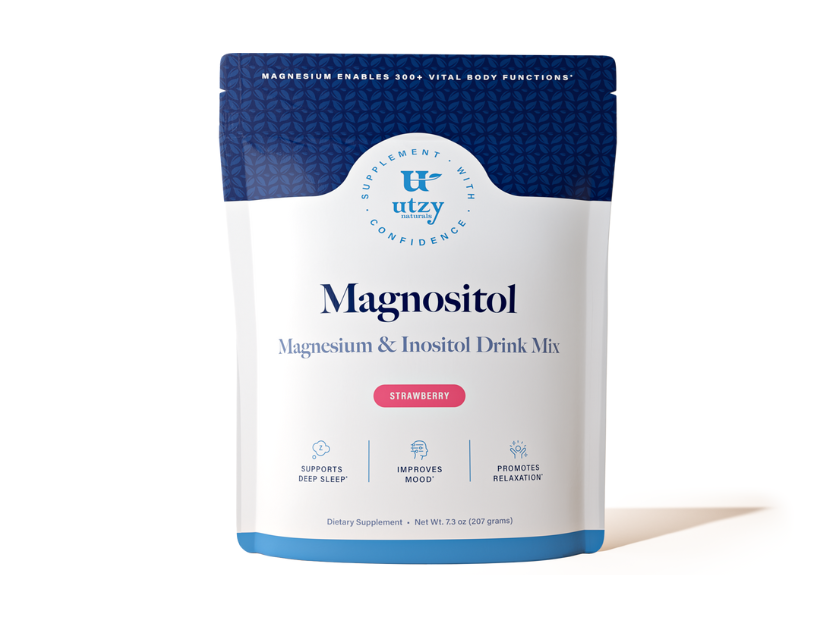
Suggested protocol: Take Adapto-Calm in the morning or early afternoon with food. Take Fall Asleep 30 to 60 minutes before bedtime. Optionally add Magnositol PM as a relaxing drink to begin your wind-down routine. For additional circadian rhythm support, take one Micro Melatonin tablet at the time you get into bed.
Sleep Hygiene Tips for Falling Asleep Faster
Supplements work best alongside good sleep habits. To support faster sleep onset, keep a consistent bedtime and wake time — even on weekends. Dim the lights and reduce screen exposure at least 30 minutes before bed. Keep your bedroom cool (65 to 68 degrees Fahrenheit is optimal for most people). Avoid caffeine after early afternoon and limit alcohol close to bedtime, as both disrupt sleep architecture. Use your bed only for sleep so your brain associates it with rest rather than activity.
If you have been lying awake for more than 20 minutes, get up and do something calm in dim light until you feel drowsy, then return to bed. This helps break the association between your bed and wakefulness. For a broader overview of sleep supplement strategies, see our Natural Sleep Guide.
Frequently Asked Questions
Why can't I fall asleep even when I'm tired?
This is usually caused by elevated cortisol or an overactive sympathetic nervous system. Your body is fatigued, but your brain has not received the neurochemical signals to downshift into sleep mode. Herbal calming agents, magnesium, and adaptogens can help support that transition.
What is the best natural supplement for falling asleep?
Valerian root, passionflower, and magnesium glycinate are among the most well-researched natural ingredients for sleep onset. Utzy Naturals Fall Asleep combines all three with lemon balm and skullcap in a single formula.
How does stress affect my ability to fall asleep?
Chronic stress keeps cortisol elevated into the evening, which blocks the natural drop in arousal needed for sleep. Adaptogens like ashwagandha (found in Adapto-Calm) help regulate the cortisol curve during the day so it reaches its natural low by bedtime.
How long before bed should I take Fall Asleep?
Take Fall Asleep 30 to 60 minutes before your target bedtime with a small amount of water. This gives the herbal ingredients time to begin working.
Can I take Fall Asleep and Adapto-Calm together?
Yes. Adapto-Calm is a daytime formula for stress resilience, while Fall Asleep is a nighttime formula for sleep onset. They are designed to complement each other as part of a day-to-night protocol.
Is Fall Asleep habit-forming?
No. Fall Asleep uses herbal ingredients and magnesium, which are non-habit-forming. You can take it nightly without building tolerance or dependency.
What if I fall asleep fine but wake up during the night?
Night waking is a different sleep pattern that involves neurotransmitter maintenance rather than sleep onset. Utzy Naturals Stay Asleep, with 5-HTP and GABA, is designed specifically for this challenge. See our guide on sleep maintenance for more information.
Does a racing mind mean I have insomnia?
A racing mind at bedtime is common and does not necessarily indicate clinical insomnia. However, if it occurs most nights for three or more weeks and significantly affects your daily functioning, consider consulting a healthcare provider for evaluation.
When to See a Doctor
If you regularly take more than 30 minutes to fall asleep despite good sleep hygiene and supplement support, or if sleep difficulty is significantly affecting your quality of life, consult a healthcare provider. Conditions such as clinical insomnia, restless leg syndrome, and anxiety disorders may require professional intervention beyond supplementation.
Disclaimer: These statements have not been evaluated by the Food and Drug Administration. These products are not intended to diagnose, treat, cure, or prevent any disease. Consult your healthcare provider before starting any supplement regimen.