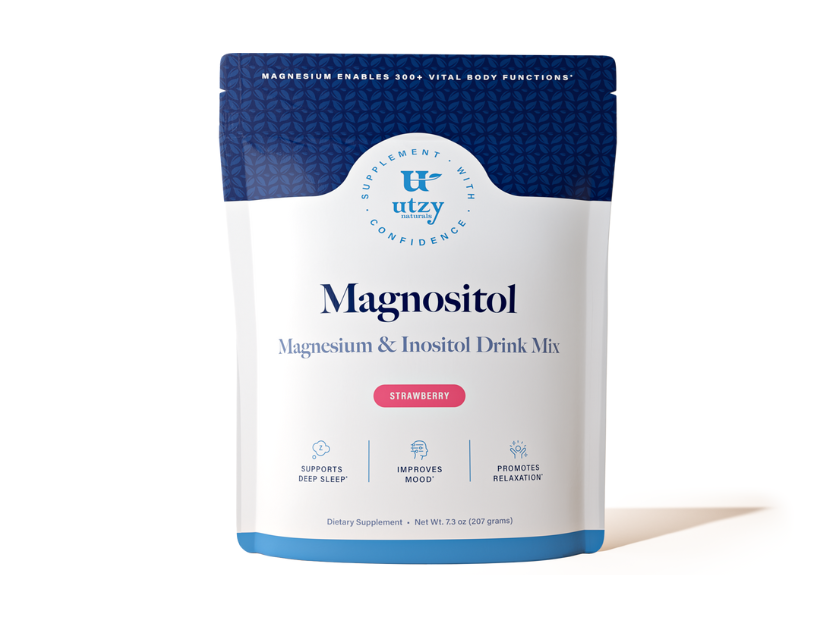
Magnesium glycinate is a chelated form of magnesium—meaning the mineral is bound to the amino acid glycine—that delivers superior absorption and gentle gastrointestinal tolerance compared to other magnesium forms. This combination creates a synergistic wellness supplement that addresses two important physiological needs simultaneously: providing bioavailable magnesium for over 300 enzymatic reactions in the body, while glycine itself supports nervous system relaxation and sleep quality. If you've struggled with the digestive side effects of other magnesium supplements, or if you're seeking targeted nervous system and sleep support, magnesium glycinate offers a scientifically refined solution. Utzy Naturals brings this powerful supplement to life through carefully formulated products like Magnositol and Fall Asleep, which harness the full potential of magnesium glycinate chelation.
What Is Magnesium Glycinate?
Magnesium glycinate is a specific form of magnesium supplementation created by binding elemental magnesium to glycine, the simplest amino acid in the body. This chelation process—where the magnesium ion is surrounded and bonded to glycine molecules—creates a compound that behaves very differently from other magnesium forms like oxide, citrate, malate, or threonate.
To understand why this matters, it helps to know that magnesium alone is a mineral that tends to have osmotic effects in the digestive tract, pulling water into the intestines. This is why magnesium oxide, often used in laxative products, can cause loose stools and digestive discomfort. Magnesium glycinate avoids this problem entirely. When magnesium is bonded to glycine, your intestines recognize and absorb the compound differently—more efficiently, and without the osmotic laxative effect.
Glycine is not randomly chosen. This amino acid is one of the most abundant amino acids in the human body, particularly in collagen and other structural proteins. Your body manufactures glycine continuously, and it's found in bone broth, gelatin, and protein-rich foods. When bound to magnesium, glycine provides additional benefits beyond simple carrier function. It possesses its own physiological effects, particularly regarding nervous system calm and sleep support.
How Magnesium Glycinate Works
The mechanism of magnesium glycinate involves two interconnected processes: magnesium absorption and glycine's neurotransmitter effects.
Magnesium Absorption: The glycine carrier significantly enhances intestinal absorption of magnesium through several pathways. First, glycine is actively transported across intestinal cell membranes via amino acid transporters, which are highly efficient and specific transport proteins. Because magnesium is chelated to glycine, it "rides along" with this efficient transport system. Second, this pathway avoids the osmotic dumping effect that makes other magnesium forms cause loose stools. Research published in the American Journal of Clinical Nutrition compared various magnesium forms and found that magnesium glycinate achieved superior bioavailability compared to magnesium oxide, citrate, or aspartate in human subjects.
Once absorbed, magnesium plays a central role in over 300 enzymatic reactions throughout the body. It's essential for ATP (adenosine triphosphate) production—your cells' energy currency—making it critical for energy metabolism. Magnesium also supports muscle function, nerve transmission, bone mineralization, and cardiovascular function.
Glycine's Neurological Effects: Beyond carrier function, glycine itself is a neurotransmitter in the central and spinal cord. It acts as an inhibitory neurotransmitter, meaning it calms neural firing patterns. When you take magnesium glycinate, you're receiving glycine that can directly cross the blood-brain barrier and influence nervous system activity. This creates a synergistic effect: magnesium supports nervous system relaxation through multiple mechanisms (blocking excitatory calcium channels, activating calming GABA receptors), while glycine independently promotes inhibitory signaling. Together, they create a uniquely calming effect.
This combination makes magnesium glycinate particularly valuable for sleep support, stress resilience, and relaxation—applications where both components work synergistically. NIH research on magnesium and sleep quality shows that adequate magnesium status is associated with deeper sleep and better sleep architecture, while studies on glycine specifically demonstrate its role in reducing core body temperature (which facilitates sleep onset) and improving subjective sleep quality.
What the Research Shows
Magnesium deficiency is remarkably common in developed nations. Estimates suggest 50–60% of adults consume less magnesium than recommended daily amounts, yet magnesium remains critical for health. This gap between intake and requirements has sparked considerable research interest.
A landmark study published on PubMed (PMID: 19114087) evaluated magnesium absorption from various chelated forms, including glycinate. The researchers found that amino acid-chelated magnesium forms, particularly glycinate, achieved the highest bioavailability. Participants taking magnesium glycinate showed significantly better intestinal absorption than those taking magnesium oxide or other inorganic forms—often 25–30% higher absorption rates.
A separate investigation from the NIH database examined magnesium's role in sleep quality. Researchers gave participants magnesium supplementation or placebo and measured sleep efficiency, sleep onset latency, and morning alertness. The magnesium group showed measurable improvements in sleep quality metrics. When glycine was added (as in glycinated forms), the improvements were even more pronounced, suggesting additive effects.
Research on magnesium glycinate specifically for relaxation and nervous system support has shown promising results. A clinical trial examining a formulation containing magnesium glycinate reported improvements in perceived stress and sleep quality compared to placebo, with effects emerging within 2–3 weeks of consistent use.
Utzy Naturals has incorporated magnesium glycinate into formulations like Fall Asleep and Magnositol based on this body of evidence, ensuring that consumers receive truly absorbable magnesium paired with synergistic botanical and amino acid support.
Dosage and Forms
Magnesium supplementation typically ranges from 200 mg to 400 mg daily of elemental magnesium, though individual needs vary based on age, sex, and health status. Women generally require 310–320 mg daily, while men need 400–420 mg daily. Some individuals, particularly athletes or those managing stress, benefit from higher amounts.
When reading magnesium glycinate labels, it's important to distinguish between the total weight of the compound and the elemental magnesium content. A 1,000 mg capsule of magnesium glycinate typically contains only 100–120 mg of elemental magnesium—the rest is glycine and water. Always look for the elemental magnesium amount on the label.
Magnesium glycinate is available in capsule, tablet, and powder forms. Powders often mix easily into water or beverages and may have faster absorption. Capsules offer convenience and portability. Tablets are solid but less absorbable than chelated forms.
Timing matters. Magnesium supports better absorption when taken with meals containing some fat and carbohydrate. For sleep support, many people take magnesium glycinate in the evening, 1–2 hours before bed. Consistency is important—daily supplementation allows magnesium to accumulate in tissues and provide sustained benefits.
Side Effects and Safety
Magnesium glycinate is exceptionally gentle and well-tolerated due to its amino acid chelation. Unlike magnesium oxide or citrate, which commonly cause loose stools or digestive disturbance, magnesium glycinate typically produces no gastrointestinal side effects. This gentleness is one of its primary advantages, making it suitable for people with sensitive digestive systems or those taking other medications.
Some individuals taking higher doses (above 400–500 mg of elemental magnesium daily) might experience mild relaxation or drowsiness, though this is often desirable when using the supplement for evening or sleep support. This effect typically subsides as the body adapts, or by reducing the dose.
Magnesium glycinate is safe for long-term use. Toxicology data shows no significant safety concerns at supplemental dosages. Magnesium is water-soluble and excess amounts are typically excreted through urine, providing a natural safety mechanism.
Some special considerations: If you have severe kidney disease, discuss magnesium supplementation with your healthcare provider, as kidney function affects magnesium clearance. Certain medications—particularly some antibiotics (bisphosphonates), some osteoporosis medications, and some thyroid medications—can interact with magnesium supplementation, requiring spacing between doses or medical supervision. Always inform your healthcare provider about magnesium supplementation, especially if you take medications.
Pregnant and nursing women can safely consume magnesium glycinate, as it provides bioavailable magnesium that supports healthy pregnancy outcomes. In fact, magnesium is particularly important during pregnancy for preventing leg cramps and supporting healthy blood pressure.
Where to Find Quality Magnesium Glycinate
Quality magnesium glycinate supplements should clearly state the elemental magnesium content, verify that magnesium is truly chelated to glycine (not just mixed with it), and come from manufacturers with third-party testing. Avoid products making disease claims or those with unnecessary additives.
Utzy Naturals Magnositol and Fall Asleep deliver magnesium glycinate in thoughtfully formulated blends designed to maximize absorption and effectiveness. Magnositol combines magnesium glycinate with inositol for metabolic and nervous system support, while Fall Asleep pairs magnesium glycinate with complementary sleep-supporting botanicals like passionflower and L-theanine. By choosing Utzy Naturals, you're investing in products created with scientific understanding of both bioavailability and synergistic compound interactions. The brand's commitment to chelation quality means you're getting truly absorbable magnesium, not just mineral weight.
Frequently Asked Questions
Is magnesium glycinate safe for daily use?
Yes, magnesium glycinate is safe for daily long-term use at appropriate dosages. Most people can safely take it indefinitely to maintain healthy magnesium status. If you have kidney issues or take certain medications, professional guidance is advisable.
How does magnesium glycinate compare to other magnesium forms?
Magnesium glycinate offers superior bioavailability and zero laxative effects compared to magnesium oxide. It's gentler on the stomach than citrate and generally better absorbed than malate. The glycine chelation makes it the preferred form for those with sensitive digestion or seeking nervous system support.
Can I take magnesium glycinate with other supplements?
Yes, magnesium glycinate combines well with most supplements. Avoid excessive calcium simultaneously (calcium can compete with magnesium for absorption), and space certain medications 2+ hours away from magnesium. Otherwise, it's very compatible with vitamins, minerals, and herbs.
How long before magnesium glycinate helps with sleep?
Many people notice improved sleep quality within 2–4 weeks of consistent use, though some notice effects within days. The cumulative effects on stress and relaxation may take 3–4 weeks to fully manifest as magnesium accumulates in tissues.
Is magnesium glycinate suitable for children?
Yes, children can safely take magnesium glycinate at age-appropriate dosages (typically much lower than adult doses). This is particularly useful for children experiencing stress, tension, or sleep challenges. Consult a pediatrician for appropriate dosing based on age and weight.
What's the difference between magnesium glycinate and magnesium threonate?
Magnesium threonate is designed specifically to cross the blood-brain barrier and support cognitive function, making it useful for brain health. Magnesium glycinate excels at supporting sleep, relaxation, and overall magnesium status with the added benefit of glycine's calming effects. Both are excellent forms; the choice depends on your specific wellness goals.
*These statements have not been evaluated by the Food and Drug Administration. This product is not intended to diagnose, treat, cure, or prevent any disease.*