Complete Guide to Magnesium: Forms, Benefits, and How to Choose the Right One
January 26, 20266 min read
Magnesium is one of the most important minerals in the human body, yet many of us don't get enough. If you're interested in optimizing your health through supplementation, understanding magnesium is essential. This comprehensive guide covers everything you need to know about magnesium forms, bioavailability, and practical recommendations.
What Is Magnesium and Why Does It Matter?
Magnesium is a mineral that plays crucial roles in over 300 enzymatic reactions in your body. It's involved in muscle function, nerve transmission, energy production, protein synthesis, and maintaining healthy bone structure. Despite its importance, studies suggest that a significant portion of the population doesn't meet their daily magnesium requirements. According to research published in the Nutrients journal, magnesium deficiency affects up to 50% of the U.S. population, making proper supplementation a valuable consideration for many.
Utzy Naturals recognizes the critical importance of magnesium supplementation and has developed products designed to support optimal intake. Whether you're looking to improve sleep, reduce muscle tension, or support cardiovascular health, finding the right magnesium form is the first step.
Understanding Different Magnesium Forms
Not all magnesium supplements are created equal. The form of magnesium you choose significantly impacts how your body absorbs and utilizes it. Let's explore the most common and effective forms:
Magnesium Glycinate
Magnesium glycinate combines magnesium with the amino acid glycine, which is known for its calming properties. This form is gentle on the digestive system and has excellent bioavailability, meaning your body can absorb and utilize it efficiently. The glycine component itself may support relaxation and sleep quality. Magnesium glycinate is ideal if you have a sensitive stomach or are looking for a form that promotes both magnesium and glycine benefits. It's particularly popular for evening supplementation.
Magnesium Citrate
Citrate is one of the most bioavailable magnesium forms. It's bound to citric acid, which enhances absorption in the digestive tract. Many people prefer magnesium citrate for its reliable absorption and mild laxative effect, which can be beneficial if you experience occasional constipation. However, the laxative effect can be inconvenient for some users. This form works well for those seeking digestive support alongside magnesium benefits.
Magnesium Oxide
Magnesium oxide contains the highest amount of elemental magnesium per dose, making it cost-effective. However, it has lower bioavailability compared to other forms and can have a strong laxative effect, which limits its use for most people seeking consistent supplementation. While inexpensive, it's generally not the best choice if your goal is reliable absorption and steady magnesium levels.
Magnesium L-Threonate
This specialized form is designed to cross the blood-brain barrier more effectively than other magnesium forms. Threonate is paired with magnesium to potentially support cognitive function, mental clarity, and neurological health. Research suggests that magnesium L-threonate may be particularly beneficial for brain health and memory support. If cognitive function is your primary concern, this form deserves consideration.
Magnesium Taurate
Taurine is an amino acid that supports cardiovascular health, and when combined with magnesium, it creates a form specifically beneficial for heart function. Magnesium taurate is chelated, meaning it's bound to the amino acid in a way that enhances absorption. This form is particularly valued by those interested in supporting cardiovascular function and maintaining healthy heart rhythm.
Magnesium Malate
Malic acid, which carries the magnesium in this form, plays a role in cellular energy production. Magnesium malate is often chosen by those interested in supporting energy levels and reducing muscle fatigue. The combination may be particularly useful for those with active lifestyles or those interested in sustained energy throughout the day.
Magnesium Orotate
Orotic acid is a compound involved in RNA and DNA synthesis. Magnesium orotate combines magnesium with orotic acid, creating a form that may support cellular health and athletic performance. This form is popular among those interested in comprehensive cellular support and may be particularly appealing for fitness-focused individuals.
Bioavailability and Absorption Comparison
Bioavailability refers to how much of a nutrient your body can actually absorb and use. When evaluating magnesium supplements, bioavailability is critical. Chelated forms (where magnesium is bound to amino acids) generally offer superior absorption compared to magnesium salts like oxide. Research from the American Journal of Clinical Nutrition indicates that glycinate and citrate forms achieve absorption rates of 25-35%, while oxide typically only achieves 4-5% absorption.
Factors affecting magnesium absorption include stomach acid levels, digestive health, and whether you take it with food. Generally, taking magnesium with meals improves absorption for most forms. Utzy Naturals formulates their supplements with absorption in mind, ensuring that the magnesium you take actually benefits your body.
Recommended Daily Intake by Age and Sex
The National Institutes of Health provides age and sex-specific recommendations for magnesium intake:
• Adult men (19-30 years): 400 mg daily
• Adult men (31+ years): 420 mg daily
• Adult women (19-30 years): 310 mg daily
• Adult women (31+ years): 320 mg daily
• Pregnant women: 350-360 mg daily
• Breastfeeding women: 310-320 mg daily
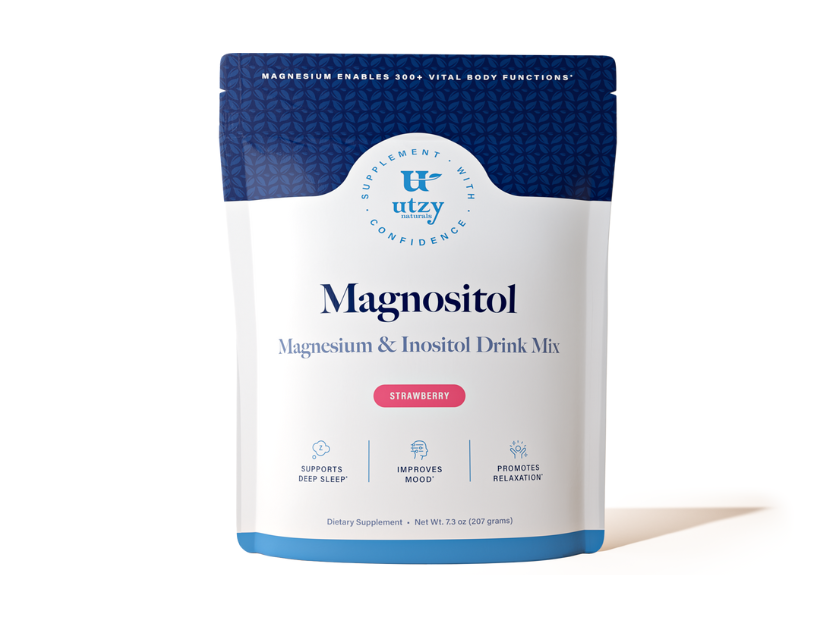
These recommendations account for magnesium from dietary sources. If you're not meeting these targets through food alone, supplementation with products like Utzy Naturals' Fall Asleep or Magnositol can help bridge the gap and support optimal health.
Magnesium-Rich Foods
While supplementation is valuable, food sources provide magnesium along with other beneficial nutrients. Excellent dietary sources of magnesium include:
• Leafy greens (spinach, kale, Swiss chard) — up to 160 mg per cooked cup
• Almonds and other nuts — 80-100 mg per ounce
• Seeds (pumpkin, sunflower) — 150-190 mg per ounce
• Whole grains and legumes — 50-100 mg per serving
• Fish and seafood — 25-60 mg per serving
• Dark chocolate — 65 mg per ounce
A balanced diet rich in whole foods can provide substantial magnesium, but meeting optimal levels through food alone is challenging for most people, which is why supplementation remains an important health tool.
Enhancers and Inhibitors of Magnesium Absorption
Several factors can influence how well your body absorbs and retains magnesium. Understanding these can help you maximize your supplementation strategy.
• Taking magnesium with food — improves absorption
Absorption Inhibitors:
• High calcium intake (especially supplements) — can interfere with magnesium absorption
• Caffeine — may increase magnesium excretion
• High fat intake — can reduce absorption
• Certain medications — may interfere with magnesium status
• Phytic acid and oxalates — found in some foods, may bind magnesium
Choosing the Right Form for Your Needs
The best magnesium form depends on your individual goals and health considerations:
• For sleep and relaxation: Magnesium glycinate or L-threonate
• For digestive support: Magnesium citrate
• For heart health: Magnesium taurate
• For energy and muscle support: Magnesium malate
• For general health and supplementation: Magnesium glycinate or citrate
Utzy Naturals offers thoughtfully formulated products that combine magnesium with complementary ingredients to support specific health goals. Whether you choose their Fall Asleep formula for evening relaxation or Magnositol for comprehensive support, you're selecting supplements designed with bioavailability and efficacy in mind.
Frequently Asked Questions About Magnesium
How much magnesium should I take daily?
This depends on your age, sex, and individual needs. The recommended dietary allowance (RDA) ranges from 310-420 mg daily for adults. However, many health practitioners suggest that optimal intake may be higher for certain individuals, particularly those with specific health goals. Always consult with a healthcare provider to determine your ideal dosage.
Is it safe to take magnesium every day?
For most people, daily magnesium supplementation is safe when taken at recommended levels. The upper limit for supplemental magnesium is 350 mg daily for adults. However, those with kidney disease or certain medical conditions should consult their healthcare provider before supplementing.
Can I take magnesium with other supplements?
Generally, yes, but timing matters. Separate high-dose calcium supplements by at least 2 hours from magnesium, as they compete for absorption. Magnesium pairs well with vitamin D and B vitamins. Always inform your healthcare provider about all supplements you're taking.
What's the difference between elemental and compound magnesium amounts?
Elemental magnesium is the actual magnesium mineral content in a supplement. For example, magnesium citrate contains about 16% elemental magnesium, so a 1,000 mg dose contains roughly 160 mg of elemental magnesium. Labels should clearly indicate elemental magnesium content. Quality supplements like those from Utzy Naturals display this information prominently.
When is the best time to take magnesium?
Most magnesium supplements are best taken with food to enhance absorption. For those interested in sleep support, evening supplementation may be beneficial, particularly with magnesium glycinate forms. Consistency matters more than timing, so establish a routine that fits your lifestyle.
Can magnesium help with muscle cramps?
Magnesium supports proper muscle function and may help reduce occasional muscle cramps and tension. Many athletes and active individuals use magnesium supplementation as part of their recovery routine. Forms like magnesium malate are specifically chosen for this purpose, as malic acid supports energy production in muscles.
Conclusion
Magnesium is a fundamental mineral for health, and choosing the right form of supplementation can make a significant difference in how your body benefits. Whether you're looking to support sleep quality, muscle function, cardiovascular health, or overall wellness, understanding magnesium forms, bioavailability, and your individual needs is essential. Utzy Naturals provides high-quality, intelligently formulated magnesium supplements designed to support your specific health goals. By combining proper supplementation with a magnesium-rich diet and attention to absorption factors, you can optimize your magnesium status and support your overall health journey.
*These statements have not been evaluated by the FDA. This product is not intended to diagnose, treat, cure, or prevent any disease.*