Cortisol is your body's primary stress hormone, produced by the adrenal glands and regulated by the HPA axis. At normal levels it supports energy, focus, and immune function — but chronic elevation from ongoing stress can disrupt sleep, metabolism, and mood.
Learn what cortisol is, how the HPA axis works, and how chronic stress affects sleep, weight, immunity, and mood. Discover natural strategies for supporting healthy cortisol levels.
What Is Cortisol and How Does Chronic Stress Affect Your Health?
Cortisol is your body's primary stress hormone, produced by the adrenal glands in response to perceived threats. In short bursts, it is essential for survival. But when stress becomes chronic and cortisol remains elevated, it can affect nearly every system in the body — from sleep and metabolism to immune function and mood.
Cortisol 101 — The HPA Axis Explained
Cortisol production is governed by the hypothalamic-pituitary-adrenal (HPA) axis, a complex communication network between the brain and adrenal glands. When the brain perceives a stressor, the hypothalamus releases corticotropin-releasing hormone (CRH), which signals the pituitary gland to release adrenocorticotropic hormone (ACTH). ACTH then travels to the adrenal glands, prompting cortisol release.
In a healthy system, cortisol follows a diurnal rhythm: levels peak in the early morning (helping you wake up and feel alert) and gradually decline throughout the day, reaching their lowest point around midnight. This rhythm is essential for energy regulation, cognitive function, and restorative sleep.
The HPA axis also includes a negative feedback loop — once cortisol levels are sufficient, the hypothalamus and pituitary reduce their signaling, bringing cortisol back to baseline. Problems arise when this feedback loop is disrupted by chronic stress.
Acute Stress vs. Chronic Stress — Why Duration Matters
Acute stress is the body's normal, short-term response to an immediate challenge. During an acute stress response, cortisol works alongside adrenaline to increase heart rate, sharpen focus, redirect blood flow to muscles, and temporarily suppress non-essential functions like digestion and immune surveillance. This is the well-known "fight or flight" response, and it resolves quickly once the perceived threat passes.
Chronic stress is fundamentally different. When stressors persist — work pressure, financial strain, relationship difficulties, sleep deprivation, or ongoing health concerns — the HPA axis remains activated. Cortisol levels stay elevated or become dysregulated, and the negative feedback loop becomes less responsive over time. This shift from adaptive to maladaptive cortisol patterns is where health consequences begin to accumulate.
A 2020 review in Frontiers in Neuroendocrinology detailed how chronic HPA axis activation leads to glucocorticoid receptor resistance, where cells become less responsive to cortisol's regulatory signals, creating a vicious cycle of inflammation and stress. [Link: https://pubmed.ncbi.nlm.nih.gov/31689416/]
How Chronic Cortisol Elevation Affects Your Health
Sleep disruption: Elevated evening cortisol directly interferes with the body's ability to transition into sleep. Cortisol is meant to be at its lowest at night, allowing melatonin to rise and initiate the sleep cycle. When cortisol remains elevated, falling asleep becomes difficult, sleep architecture is disrupted, and even if you sleep long enough, the quality suffers. Poor sleep then becomes a stressor itself, creating a feedback loop that further dysregulates cortisol.
Weight and metabolic changes: Chronic cortisol elevation promotes visceral fat accumulation, particularly around the midsection. Cortisol increases appetite and cravings for calorie-dense foods, while simultaneously promoting insulin resistance. Over time, this combination can significantly affect body composition and metabolic health, even when diet and exercise remain consistent.
Immune function: While acute cortisol bursts temporarily enhance certain immune responses, chronic elevation suppresses immune surveillance. This makes the body more susceptible to infections and slows recovery time. Paradoxically, the glucocorticoid resistance that develops with chronic stress can also lead to excessive inflammatory responses, creating an immune system that is simultaneously suppressed and overreactive.
Mood and cognitive function: Cortisol affects brain regions responsible for mood regulation, memory, and executive function. The hippocampus (critical for memory) and prefrontal cortex (responsible for decision-making and emotional regulation) are particularly sensitive to chronic cortisol exposure. Research published in Neuroscience and Biobehavioral Reviews (2017) found that chronic stress-related cortisol elevation is associated with reduced hippocampal volume and impaired cognitive flexibility. [Link: https://pubmed.ncbi.nlm.nih.gov/27816503/]
Digestive health: The gut-brain axis is heavily influenced by cortisol. Chronic stress can alter gut motility, reduce beneficial gut bacteria diversity, and increase intestinal permeability. These changes can create digestive discomfort and may affect nutrient absorption — including the absorption of stress-supportive nutrients like magnesium.
Natural Strategies for Supporting Healthy Cortisol Patterns
Supporting healthy cortisol levels is not about eliminating cortisol — it is about restoring the natural rhythm that keeps this hormone working for you rather than against you.
Adaptogenic herbs: Adaptogens like ashwagandha have been shown to support HPA axis function and promote healthy cortisol patterns. Ashwagandha, in particular, has clinical evidence supporting its role in helping maintain cortisol levels already within normal range during periods of stress.
Magnesium: Magnesium plays a direct role in HPA axis regulation. Adequate magnesium status supports the negative feedback loop that brings cortisol back to baseline after a stress response. Magnesium glycinate is particularly well-suited for this purpose due to its bioavailability and the additional calming effects of glycine.
Inositol: Myo-inositol supports neurotransmitter signaling pathways that influence how the brain perceives and responds to stress. By supporting serotonin and dopamine receptor function, inositol may help modulate the upstream signals that trigger HPA axis activation.
Sleep hygiene: Protecting sleep is one of the most powerful strategies for cortisol management. Consistent sleep and wake times reinforce the natural cortisol rhythm, while sleep deprivation is one of the strongest drivers of cortisol dysregulation.
Movement: Regular moderate exercise helps recalibrate the HPA axis. Interestingly, while intense exercise temporarily raises cortisol, consistent moderate activity improves the efficiency of the cortisol feedback loop over time.
How Utzy Naturals Supports Healthy Cortisol Levels
Utzy Naturals offers targeted nutritional support for both sides of the cortisol equation:
Adapto-Calm combines ashwagandha (standardized to 1.5% withanolides) with Holy Basil and Passionflower — a trio of botanicals that support HPA axis function and promote calm without sedation. Ashwagandha addresses cortisol regulation directly, while Holy Basil provides additional adaptogenic support and Passionflower supports calming GABA pathways.
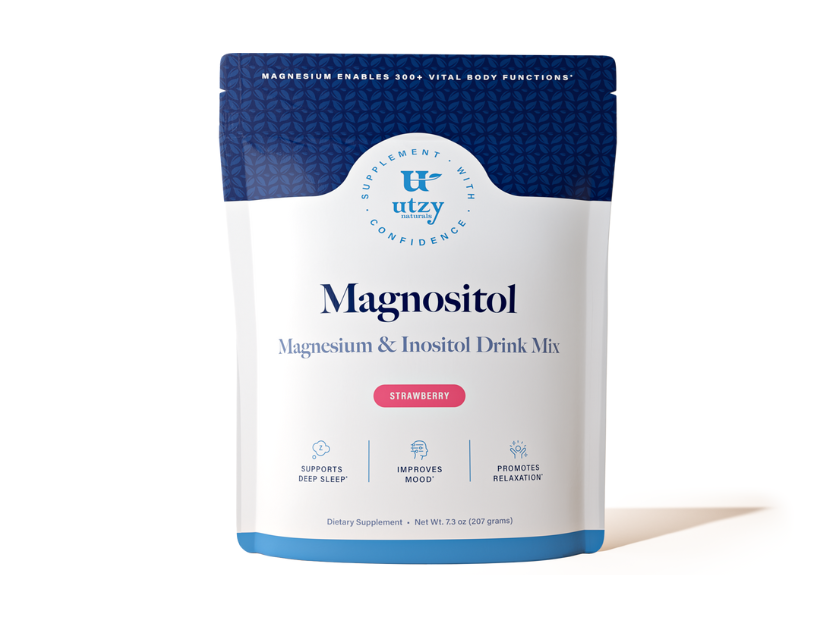
Magnositol delivers 300 mg of chelated magnesium bisglycinate and 1 gram of myo-inositol in a convenient daily powder. This combination supports the nervous system from the mineral and neurotransmitter side — helping the body's natural cortisol feedback loop function properly while promoting evening relaxation and restorative sleep.
Together, these products create a comprehensive approach: Adapto-Calm for daytime stress resilience and cortisol modulation, and Magnositol for evening nervous system support and restoration.
Frequently Asked Questions
FAQ 1: What are the signs of chronically elevated cortisol?Common signs include difficulty falling or staying asleep, persistent fatigue despite adequate rest, increased abdominal weight gain, frequent illness, difficulty concentrating, mood changes including irritability or anxious feelings, and sugar or carbohydrate cravings. If you suspect cortisol dysregulation, consider working with a healthcare provider who can test your cortisol levels.
FAQ 2: Can you test your cortisol levels at home?Yes. Several at-home cortisol testing options are available, including saliva tests that measure cortisol at multiple points throughout the day. A four-point cortisol test (morning, noon, evening, night) provides the most useful picture of your cortisol rhythm. Results should be interpreted by a healthcare professional.
FAQ 3: How do adaptogens help with cortisol?Adaptogens like ashwagandha work by supporting the HPA axis — the system that regulates cortisol production. Rather than directly lowering cortisol, they help the body respond more efficiently to stress and support the negative feedback loop that returns cortisol to baseline after a stress response.
FAQ 4: Does magnesium help lower cortisol?Magnesium supports healthy cortisol regulation through its role in HPA axis function. It helps maintain the sensitivity of cortisol receptors and supports the negative feedback mechanism that prevents prolonged cortisol elevation. Magnesium glycinate is particularly effective because glycine itself has calming properties.
FAQ 5: Can chronic stress cause weight gain even with a healthy diet?Yes. Chronic cortisol elevation promotes visceral fat storage, increases appetite and cravings, and can promote insulin resistance — all of which can affect body composition independently of caloric intake. Addressing the underlying stress response is an important component of metabolic health.
FAQ 6: How long does it take to restore healthy cortisol patterns?With consistent lifestyle and nutritional support, many people begin noticing improvements in sleep quality and stress resilience within 2-4 weeks. Full HPA axis recalibration may take 2-3 months of consistent effort, depending on the duration and severity of the chronic stress.
Bottom Line: Cortisol is not the enemy — chronic dysregulation is. Understanding how the HPA axis works and how prolonged stress disrupts cortisol's natural rhythm empowers you to take proactive steps. Through targeted nutrition, adaptogenic support, and lifestyle strategies, it is possible to support healthy cortisol patterns and build genuine stress resilience. Utzy Naturals Adapto-Calm and Magnositol provide the nutritional foundation for this approach.
These statements have not been evaluated by the Food and Drug Administration. This product is not intended to diagnose, treat, cure, or prevent any disease.