Stress, Cortisol, and Male Performance: The Connection
May 12, 20252 min read
Chronic stress suppresses testosterone through a direct biochemical mechanism — cortisol and testosterone share a precursor (pregnenolone), and under sustained stress, the body preferentially shunts pregnenolone toward cortisol production at the expense of testosterone synthesis.
The Pregnenolone Steal
Pregnenolone is the master steroid hormone precursor — synthesized from cholesterol, it's the starting material for both cortisol (through the glucocorticoid pathway) and testosterone (through the androgen pathway). Under acute stress, cortisol production is prioritized because survival outranks reproduction in the body's hierarchy. During chronic stress, this prioritization becomes sustained — pregnenolone is continuously diverted toward cortisol, depleting the substrate available for testosterone synthesis. This is the biochemical basis of the well-documented inverse relationship between cortisol and testosterone.
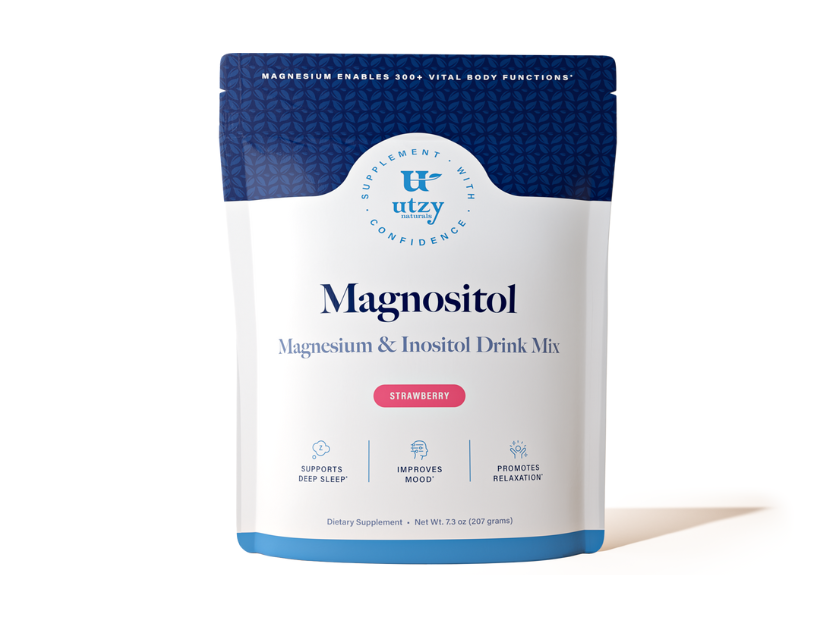
Cortisol also suppresses testosterone through direct inhibition of GnRH release from the hypothalamus (reducing the upstream signal for T production), cortisol-mediated increase in aromatase activity (converting existing testosterone to estrogen in adipose tissue), stress-driven sleep disruption (testosterone production peaks during deep sleep and declines with poor sleep quality), and stress-induced nutrient depletion (zinc, magnesium, and B vitamins consumed by the stress response are the same nutrients required for T synthesis). Adapto-Calm addresses the cortisol axis directly with ashwagandha (23-28% cortisol reduction in trials). Magnositol replenishes the magnesium depleted by stress while supporting the sleep quality where T production peaks.
Yes — studies show that stress reduction interventions (meditation, adaptogenic herbs, exercise, sleep optimization) produce measurable testosterone increases in chronically stressed men. Ashwagandha at 600mg daily has been shown to increase testosterone by 15-17% in stressed men over 8 weeks.
How do I know if stress is affecting my testosterone?
Signs include fatigue disproportionate to sleep, reduced libido, difficulty maintaining muscle despite training, increased abdominal fat, irritability, and poor recovery from exercise. A cortisol:testosterone ratio (measured via blood or saliva) directly quantifies the hormonal balance.
*These statements have not been evaluated by the Food and Drug Administration. This product is not intended to diagnose, treat, cure, or prevent any disease.