PMDD (Premenstrual Dysphoric Disorder) affects 3-8% of women with symptoms severe enough to impair daily functioning — and emerging evidence supports nutritional interventions including calcium, magnesium, vitamin B6, and adaptogens as adjuncts to medical treatment.
PMDD vs PMS
PMS involves mild-to-moderate physical and emotional symptoms in the luteal phase. PMDD involves severe mood symptoms — marked depression, anxiety, irritability, emotional lability, or hopelessness — that significantly impair work, relationships, and daily functioning for 1-2 weeks every cycle. The distinction matters because PMDD is a clinical condition requiring medical evaluation and often pharmacological treatment (SSRIs are first-line). Nutritional support is adjunctive, not a substitute for medical care.
Evidence-Based Nutritional Support
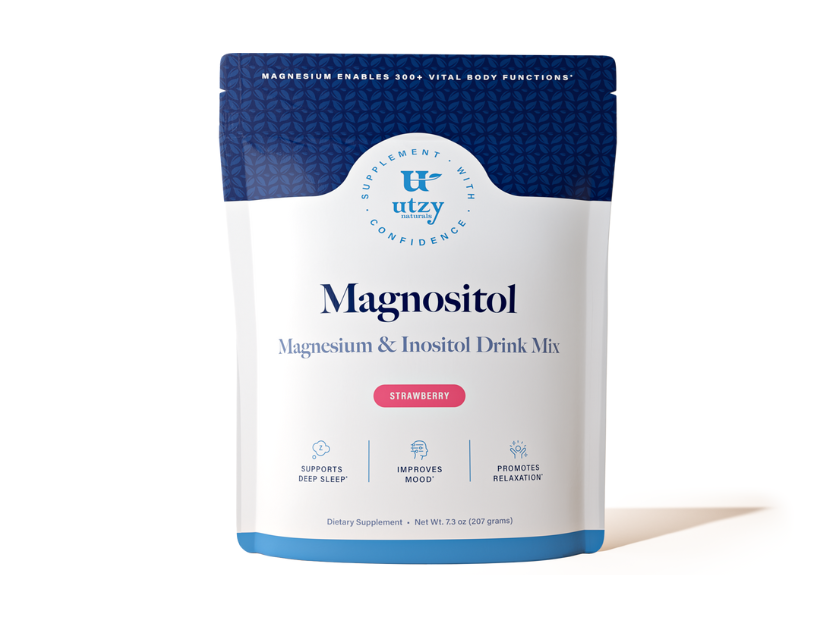
Calcium: 1,200mg daily reduces PMDD symptom scores by 48% in clinical trials — the strongest single-nutrient evidence for PMDD. The mechanism involves calcium's role in serotonin metabolism and neuromuscular function. Magnesium: 200-400mg daily reduces water retention, mood symptoms, and pain. The combination of calcium + magnesium outperforms either alone. Magnositol provides glycinate for mood and muscle support. Vitamin B6: Supports serotonin synthesis from tryptophan — the specific neurotransmitter pathway implicated in PMDD mood symptoms. 50-100mg daily (within safe limits). Vitamin B Complex provides B6 alongside the full B spectrum. Ashwagandha: Cortisol modulation and anxiety reduction through HPA axis regulation. Adapto-Calm may support the stress-sensitivity component that characterizes PMDD.
No — PMDD involves clinically significant mood symptoms (depression, anxiety, irritability, hopelessness) that impair daily functioning. PMS typically involves milder, manageable symptoms. PMDD affects 3-8% of menstruating women and warrants medical evaluation and treatment.
Can supplements alone treat PMDD?
For some women with mild PMDD, the calcium + magnesium + B6 combination provides meaningful relief. For moderate-to-severe PMDD, supplements work best alongside medical treatment (SSRIs, which are first-line therapy). Always discuss PMDD management with a healthcare provider.
*These statements have not been evaluated by the Food and Drug Administration. This product is not intended to diagnose, treat, cure, or prevent any disease.