Healthy or Hype: Vitex (Chasteberry) for Hormonal Balance
July 05, 20252 min read
Vitex agnus-castus (chasteberry) modulates prolactin and supports progesterone through dopaminergic activity — and has clinical evidence for PMS and cycle irregularity, but the evidence is mixed and not as strong as popular claims suggest.
How Vitex Works
Vitex contains compounds that bind to dopamine D2 receptors in the pituitary gland, inhibiting prolactin secretion. Elevated prolactin can suppress progesterone production, shorten the luteal phase, and contribute to PMS symptoms. By normalizing prolactin, vitex indirectly supports adequate progesterone levels. It does not contain hormones and does not directly raise progesterone — it removes a hormonal brake.
The Clinical Evidence
Several European studies show benefit for PMS symptoms (breast tenderness, mood changes, bloating) at 20-40mg daily of standardized extract, with a 2013 systematic review concluding 'probable benefit.' For cycle irregularity, one study showed improved luteal phase length. However, the overall evidence base has limitations: most studies are small, many are open-label (not placebo-controlled), and the standardization of vitex preparations varies considerably between studies and products.
The Verdict
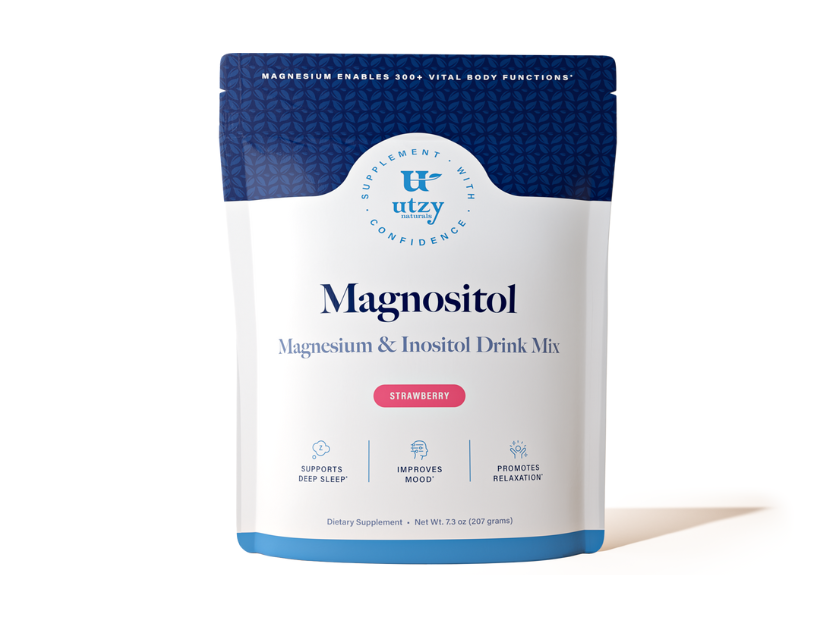
Vitex is partially supported — not pure hype, but not as universally effective as natural health marketing suggests. It may benefit women with confirmed luteal phase deficiency or elevated prolactin-related PMS. It's less likely to help PMS driven by other mechanisms (magnesium deficiency, serotonin dysregulation, inflammatory pathways). For PMS in general, calcium (1,200mg daily) and magnesium (Magnositol) have stronger and more consistent evidence. Vitex is worth trying for 3 cycles if prolactin-related symptoms are suspected, but it shouldn't replace the nutritional fundamentals.
Effects build over 2-3 menstrual cycles (2-3 months) of consistent daily use. Don't evaluate after just one cycle — the hormonal modulation requires time to shift the pituitary-ovarian feedback loop.
Who should NOT take vitex?
Women taking dopamine agonists, hormonal contraceptives, or hormone-sensitive medications. Women with hormone-sensitive conditions (certain breast cancers, endometriosis) should avoid vitex. Pregnant and breastfeeding women should not use it. Always consult your healthcare provider before starting vitex.
*These statements have not been evaluated by the Food and Drug Administration. This product is not intended to diagnose, treat, cure, or prevent any disease.