Magnesium Glycinate vs. Citrate vs. Oxide: Choosing the Right Form
February 22, 20264 min read
Not all magnesium supplements are equal. Magnesium glycinate, citrate, and oxide each have different absorption rates, best uses, and side-effect profiles. Glycinate is the top choice for relaxation and sleep support because it absorbs well and rarely causes digestive upset. Citrate offers good bioavailability and supports healthy bowel regularity. Oxide provides the most elemental magnesium per capsule but absorbs poorly, making it better suited for occasional digestive support than systemic magnesium repletion.
Quick Comparison Table
Feature
Magnesium Glycinate
Magnesium Citrate
Magnesium Oxide
Bioavailability
High
Moderate-High
Low (~4%)
Best For
Sleep, calm, muscle relaxation
Digestive regularity, general use
Budget option; occasional constipation
Digestive Tolerance
Excellent; very gentle
Good; mild laxative effect at higher doses
More likely to cause loose stools
Elemental Mg per Capsule
Lower (chelated form is larger)
Moderate
Highest per weight
Typical Dose
200–400 mg elemental Mg
200–400 mg elemental Mg
250–500 mg elemental Mg
Cost
Higher
Moderate
Lowest
What Is Magnesium Glycinate?
Magnesium glycinate is magnesium bound to the amino acid glycine. This chelated form is prized for its high bioavailability and exceptional digestive tolerance. Glycine itself has calming properties — it acts as an inhibitory neurotransmitter that supports relaxation and sleep quality. This dual benefit makes magnesium glycinate the preferred form for individuals taking magnesium for stress management, muscle relaxation, or sleep support. Studies indexed on PubMed confirm that chelated magnesium forms like glycinate are absorbed significantly better than oxide forms.
What Is Magnesium Citrate?
Magnesium citrate is magnesium bound to citric acid. It offers good bioavailability — better than oxide though generally considered slightly below glycinate — and is one of the most popular magnesium supplements globally. Citrate form has a mild osmotic effect in the intestines, which means it can support healthy bowel regularity. This makes it a good fit for individuals who experience occasional constipation, though those sensitive to digestive effects may find higher doses cause loose stools.
What Is Magnesium Oxide?
Magnesium oxide packs the highest percentage of elemental magnesium per weight (about 60%), but research published in the Journal of the American College of Nutrition and indexed on PubMed shows its bioavailability is only about 4%. This means most of the magnesium passes through your system without being absorbed into your bloodstream. Magnesium oxide is the least expensive form and is commonly found in generic drugstore supplements. Its primary practical use is as an occasional stool softener rather than a systemic magnesium supplement.
Key Differences
1. Absorption and Bioavailability
Bioavailability is the critical factor. Magnesium glycinate and citrate are both well-absorbed, meaning more of what you take actually reaches your cells. Magnesium oxide, despite its high elemental magnesium content, delivers very little to your bloodstream. If you are taking magnesium to address systemic needs — sleep, muscle function, stress — oxide is not the right choice.
2. Digestive Tolerance
Magnesium glycinate is the gentlest option on the stomach and intestines. Many people can take it at full doses without any digestive effects. Citrate has a mild laxative tendency, especially at higher doses. Oxide has the strongest osmotic (laxative) effect and is the most likely form to cause loose stools or cramping.
3. Specific Health Goals
For sleep and calm, glycinate is the clear winner — the calming effects of both magnesium and glycine work synergistically. For digestive regularity, citrate strikes a good balance between absorption and gentle bowel support. For budget-conscious general supplementation where digestive tolerance is not a concern, oxide offers the lowest cost per serving, though you absorb much less.
4. Cost Considerations
Oxide is the cheapest per pill, but when you calculate cost per milligram of absorbed magnesium, glycinate and citrate often provide better value. Paying more for a form your body actually absorbs makes more sense than saving on a form that largely passes through unabsorbed (NIH, Office of Dietary Supplements).
Which Should You Choose?
Choose magnesium glycinate if sleep quality, stress management, or muscle relaxation is your goal — especially if you have a sensitive stomach. Choose magnesium citrate if you want a well-absorbed, all-purpose magnesium that also supports healthy bowel function. Consider magnesium oxide only if cost is the primary concern and you understand the bioavailability limitations. For combination support, some formulas include both magnesium and complementary ingredients like myo-inositol for additional metabolic benefits.
Our Recommendation
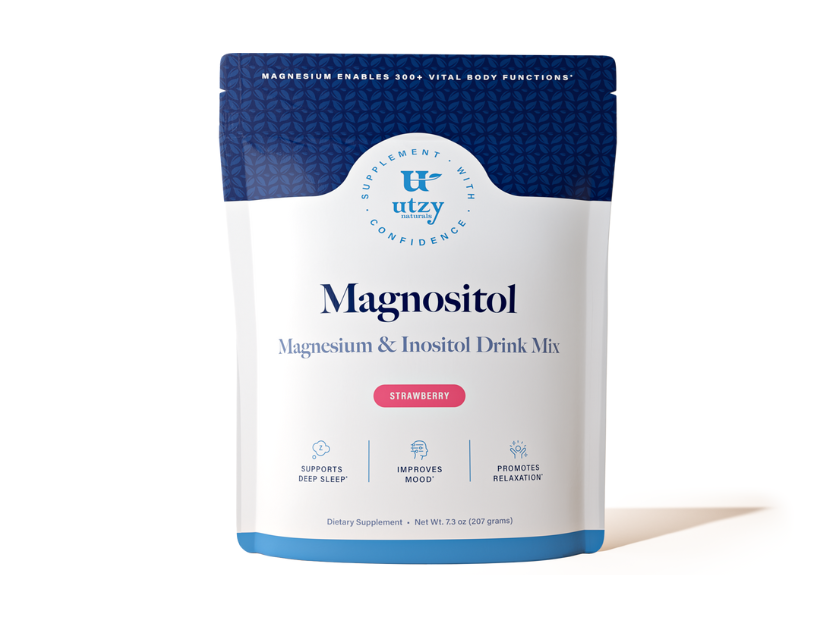
Utzy Naturals Magnositol combines highly bioavailable magnesium with myo-inositol, supporting both mineral repletion and metabolic health. For those specifically seeking sleep support, Utzy Naturals Fall Asleep is formulated with magnesium alongside complementary sleep-promoting ingredients. Both products reflect Utzy Naturals' commitment to using well-absorbed, evidence-based ingredient forms rather than cutting corners with poorly bioavailable alternatives.
Frequently Asked Questions
Can I take magnesium glycinate and citrate together?
Yes. Some people take glycinate in the evening for sleep and citrate during the day for general support and regularity. Just be mindful of your total daily magnesium intake and consult your healthcare provider.
How much magnesium should I take daily?
The Recommended Dietary Allowance (RDA) for magnesium is 310–420 mg per day for adults, depending on age and sex. Many health practitioners suggest that optimal intake may be higher. Your healthcare provider can help determine the right amount for you.
When is the best time to take magnesium?
Magnesium glycinate is best taken in the evening, 30–60 minutes before bed, to support sleep. Citrate can be taken at any time of day with food. Taking magnesium with food generally improves absorption and reduces any digestive discomfort.
Why is magnesium oxide so common if it absorbs poorly?
Magnesium oxide is inexpensive to produce and contains the highest percentage of elemental magnesium per weight. This allows manufacturers to print impressive-looking milligram amounts on the label, even though only a small fraction is actually absorbed.
Does magnesium interact with medications?
Magnesium can interact with certain medications, including antibiotics, diuretics, and proton pump inhibitors. Always inform your healthcare provider about all supplements you take and separate magnesium from medication doses by at least 2 hours when recommended.
What are signs of magnesium deficiency?
Common signs that may be associated with low magnesium intake include muscle cramps, difficulty sleeping, feelings of tension or stress, and occasional headaches. A healthcare provider can assess your magnesium status through blood tests and symptom evaluation.
*These statements have not been evaluated by the Food and Drug Administration. This product is not intended to diagnose, treat, cure, or prevent any disease. Consult your healthcare provider before starting any new supplement regimen.*