Deep sleep declines approximately 60–70% between ages 20 and 60, melatonin production decreases, and sleep architecture fragments — but these changes are partially modifiable with targeted intervention.
What Changes
Deep sleep loss: The brain's delta-wave generation capacity diminishes. By 60, many people spend only 5–10% in N3 (down from 20–25%). Since deep sleep is when GH releases and glymphatic clearance peaks, this loss cascades into accelerated aging. Melatonin decline: Pineal calcification and reduced SCN sensitivity weaken circadian sleep signaling. Increased fragmentation: More awakenings, longer WASO, more time in light N1–N2. Medical contributors: sleep apnea, nocturia, chronic pain, medication effects.
What Helps
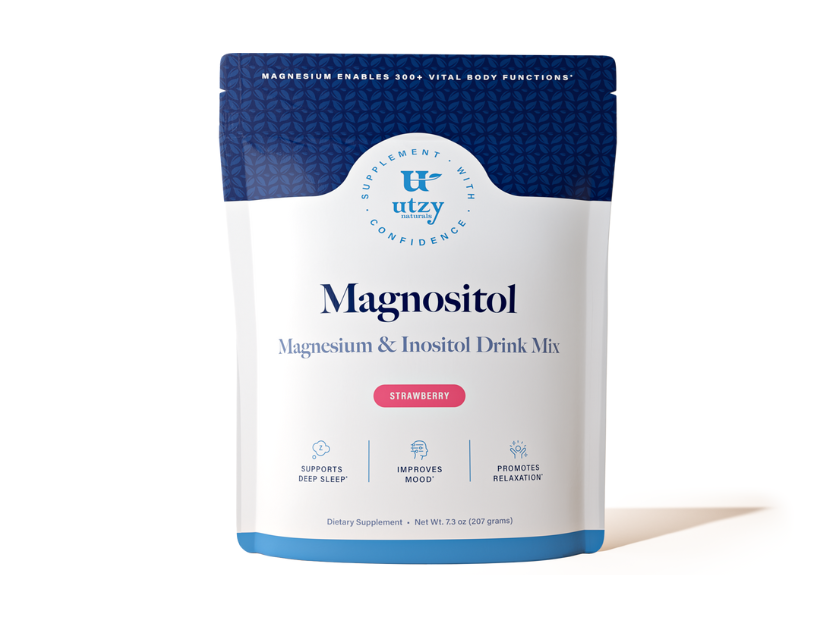
Exercise: Most potent deep sleep stimulus at any age. Increases slow-wave activity 30–40% in older adults. Low-dose melatonin: 0.3–1mg restores weakened circadian signal. Micro Melatonin. Magnesium: Supports GABA system for sleep initiation and depth. Magnositol. Consistent timing: Fixed wake time (±30 min including weekends) consolidates fragmented sleep.
While some deep sleep decline with age is normal (reflecting structural changes in cortical neural networks), the magnitude of decline most people experience is heavily influenced by modifiable factors. Sedentary older adults lose deep sleep far faster than active ones. Obese older adults have worse sleep architecture than lean ones. Chronically stressed older adults have more fragmented sleep than those with effective stress management.
The most compelling evidence: aerobic exercise directly increases slow-wave (deep) sleep in older adults. A 2010 study in Sleep Medicine found that 4 months of moderate aerobic exercise (walking/cycling at 75% max heart rate, 4x/week) increased deep sleep duration by 30-40% in previously sedentary adults aged 55-75. The effect was comparable to — or greater than — any pharmacological intervention for deep sleep. The mechanism involves increased adenosine accumulation during exercise (building stronger sleep pressure), enhanced core body temperature drop in the evening (triggering sleep onset), and improved cardiovascular fitness (better cerebral blood flow during sleep).
Melatonin in Aging: Getting the Dose Right
Melatonin supplementation for older adults is frequently overdosed. The pineal gland's natural melatonin production is approximately 0.1-0.3mg at peak — declining further with age. Supplementing at 5-10mg (the most common retail doses) floods melatonin receptors at 15-100x physiological levels, causing receptor downregulation (making them less responsive over time), next-morning grogginess (melatonin half-life is 40-60 minutes, but high doses maintain elevated levels for hours), and vivid or disturbing dreams.
Physiological replacement at 0.3-1mg restores the circadian signal that aging weakens without the supraphysiological side effects. This dose gently says "it's bedtime" to the SCN rather than shouting it. {L("Micro Melatonin")} is specifically formulated at the evidence-based low dose — a departure from the "more is better" approach that dominates the melatonin market.
The Sleep-Cognition-Aging Triangle
Poor sleep, cognitive decline, and biological aging form a reinforcing triangle that accelerates with each passing decade if not interrupted. Poor sleep reduces glymphatic clearance → amyloid accumulates → neuroinflammation increases → sleep quality worsens further. Simultaneously, poor sleep reduces growth hormone (less tissue repair), increases cortisol (accelerating hippocampal atrophy), impairs glucose metabolism (increasing glycation), and reduces immune surveillance (increasing infection susceptibility and chronic inflammation).
The interventions that break this cycle — exercise, consistent sleep timing, appropriate-dose melatonin, magnesium, stress management, and adequate nutrition — are the same interventions that slow biological aging broadly. Sleep optimization may be the single highest-ROI health investment available after age 40, because it affects every other system simultaneously. The {L("Sleep Bundle")} provides a comprehensive supplemental foundation for this effort, combining onset, maintenance, and circadian support in a single system.
Frequently Asked Questions
Is needing less sleep normal with age?
The need doesn't decrease — the ability to obtain it does. Older adults need 7–8 hours. Accepting poor sleep as "normal aging" means accepting preventable cognitive decline and accelerated biological aging.
*These statements have not been evaluated by the Food and Drug Administration. This product is not intended to diagnose, treat, cure, or prevent any disease.