Building Muscle After 40: Protein, Creatine, and Recovery
May 17, 20252 min read
After 40, maintaining muscle requires more deliberate protein intake (1.6-2.2g per kg daily), consistent resistance training with progressive overload, adequate recovery between sessions, and targeted supplementation for joint protection and anti-inflammatory support.
Why Muscle Loss Accelerates After 40
Sarcopenia — age-related muscle loss — begins around age 30 at approximately 3-5% per decade and accelerates after 50 to 1-2% per year. The drivers include declining testosterone and growth hormone, increased anabolic resistance (muscles respond less efficiently to protein and exercise stimuli), reduced satellite cell activity (the muscle stem cells that repair and grow fibers), increased systemic inflammation (which promotes muscle protein breakdown), and decreased physical activity. Without intervention, a man can lose 30% of his muscle mass between ages 50 and 70.
The Muscle-Over-40 Protocol
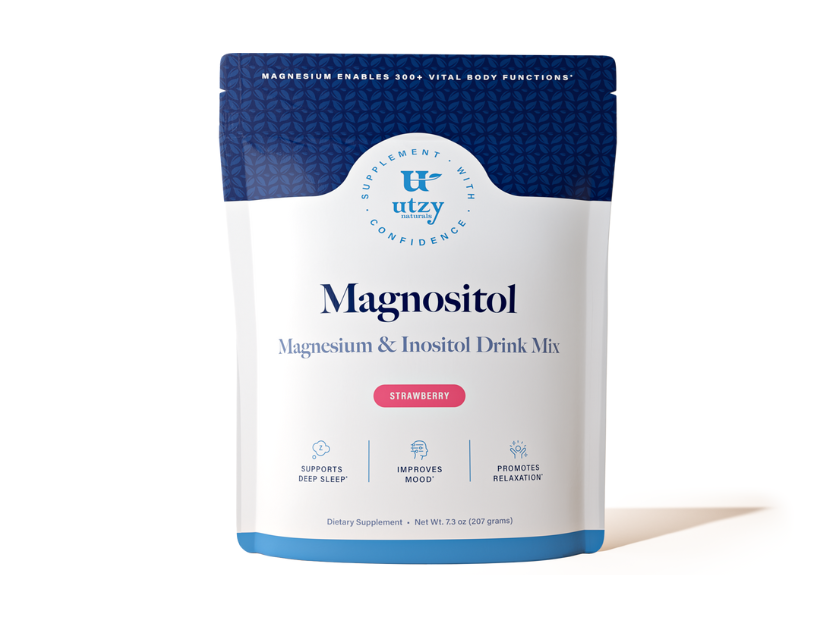
Protein: Anabolic resistance means older muscles need more protein per meal to stimulate muscle protein synthesis (MPS). Younger adults trigger maximal MPS with 20g protein; adults over 40 need 30-40g per meal. Total daily intake should reach 1.6-2.2g per kg body weight — significantly higher than the RDA of 0.8g/kg. Leucine: The amino acid that triggers the mTOR signaling pathway for MPS. Older adults benefit from leucine-rich protein sources (whey, eggs, meat) or leucine supplementation at 2.5-3g per meal. Creatine: 3-5g daily supports ATP regeneration for high-intensity muscle contractions and has shown benefit for muscle mass and strength in older adults in multiple meta-analyses. Joint protection:Coll-U-Gen provides UC-II collagen that protects cartilage from the mechanical stress of resistance training. Anti-inflammatory support:Omega-3 Fish Oil and Inflavinol help manage the chronic low-grade inflammation that accelerates muscle breakdown. Magnositol replenishes the magnesium essential for muscle contraction, relaxation, and overnight recovery.
Absolutely not. Resistance training produces measurable hypertrophy and strength gains at any age — studies show significant muscle growth in adults into their 70s and 80s. The rate of gain is slower than in younger adults, but the health benefits (metabolic rate, bone density, functional independence, fall prevention) are arguably more important with age.
How often should men over 40 do resistance training?
3-4 sessions per week with 48-72 hours between training the same muscle group. Recovery capacity decreases with age, so adequate rest between sessions is more important — not less — than in younger trainees. Quality and consistency matter more than volume.
*These statements have not been evaluated by the Food and Drug Administration. This product is not intended to diagnose, treat, cure, or prevent any disease.