Zinc, Magnesium, and D3: The Men's Mineral Foundation
December 09, 20253 min read
Zinc, magnesium, and vitamin D3 are the three nutrients most commonly insufficient in men — collectively supporting testosterone, energy, sleep, immune function, and cardiovascular health.
Zinc for Men
Active men lose 0.5–1mg zinc per liter of sweat. Zinc is consumed during immune responses and stress. 15–30mg daily as bisglycinate supports testosterone, prostate, and immune function. Essentially-U provides zinc in its comprehensive formula.
Magnesium: Most Underappreciated Male Nutrient
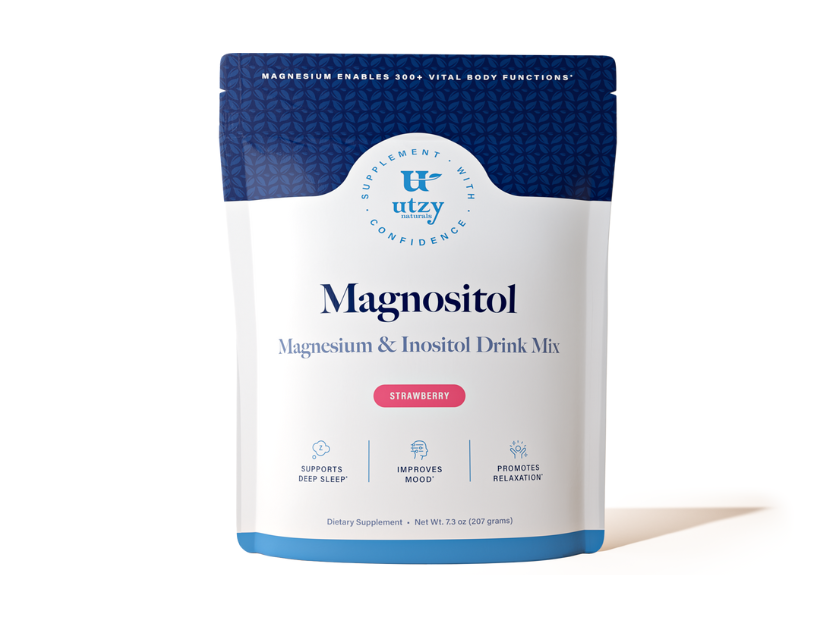
Over 50% of men consume below the RDA (420mg). Consequences: reduced ATP production, impaired muscle relaxation, lower testosterone, weakened stress resilience. Magnositol provides glycinate for sleep and metabolic support.
Vitamin D3: The Hormone Most Men Lack
Men with D levels above 40 ng/mL have higher testosterone, better bone density, stronger immunity, and lower cardiovascular risk. Natural D3 5,000 provides the daily dose researchers recommend.
Why Men Are Particularly Vulnerable to These Deficiencies
Male physiology creates specific demand patterns that modern lifestyles fail to meet. Active men lose 0.5-1mg of zinc per liter of sweat — a hard training session can deplete 3-5mg in a single bout. Since the RDA is only 11mg (and absorption from food is 20-40%), regular exercisers operate on thin margins. Add stress-driven zinc excretion and the zinc demands of testosterone synthesis and immune function, and chronic marginal depletion becomes the norm rather than the exception.
Magnesium faces similar dynamics. The RDA for men (420mg) is among the hardest nutrient targets to hit from diet alone — you'd need to eat 2 cups of cooked spinach, a cup of black beans, a handful of almonds, AND a serving of dark chocolate daily to reach it. Most men consume 250-300mg from food. The gap is compounded by magnesium losses from stress, alcohol, coffee (increases urinary excretion), and processed foods (refining removes 80-90% of magnesium from grains).
Vitamin D deficiency in men is driven by occupational patterns — most men work indoors during peak UVB hours (10am-2pm). Unlike women, who are more likely to use vitamin D-containing supplements and face proactive screening for bone health, men are often not tested until symptoms are significant. The result: men have slightly higher rates of severe deficiency than women in population studies.
The Synergy Between These Three
These nutrients don't just add up — they interact synergistically. Zinc and magnesium share transport mechanisms and enzymatic partnerships. Magnesium is required for vitamin D metabolism (converting 25(OH)D to the active 1,25-dihydroxyvitamin D form in the kidneys). Vitamin D enhances intestinal zinc absorption. All three support testosterone through different mechanisms (zinc: direct synthesis cofactor; magnesium: SHBG reduction and sleep support; vitamin D: Leydig cell androgen receptor expression). Correcting all three simultaneously produces larger hormonal and performance improvements than correcting any one alone — a finding consistent across multiple clinical observations.
Practical Dosing for Men
Zinc: 15-30mg daily as bisglycinate. Take separately from iron and calcium (2-hour spacing). Best absorbed with a small meal. Magnesium: 300-400mg daily as glycinate. Evening dosing supports sleep quality (where testosterone production occurs). Split dosing (200mg morning, 200mg evening) if GI sensitivity is a concern. Vitamin D3: 4,000-5,000 IU daily. Take with the fattiest meal of the day for maximum absorption. Pair with vitamin K2 (MK-7 form) for optimal calcium metabolism at doses above 2,000 IU. Test 25(OH)D annually — target 40-60 ng/mL.
Frequently Asked Questions
Should I take ZMA?
ZMA (zinc magnesium aspartate) is based on one unreplicated study. The concept is sound but the formulation uses inferior magnesium aspartate. Separate zinc + magnesium glycinate + D3 provides more targeted support.
*These statements have not been evaluated by the Food and Drug Administration. This product is not intended to diagnose, treat, cure, or prevent any disease.