Your menstrual cycle creates predictable hormonal shifts that affect nutrient needs, supplement timing, and which interventions are most beneficial — making cycle-aware supplementation more targeted than a one-size-fits-all daily protocol.
The Four Phases and Their Nutrient Demands
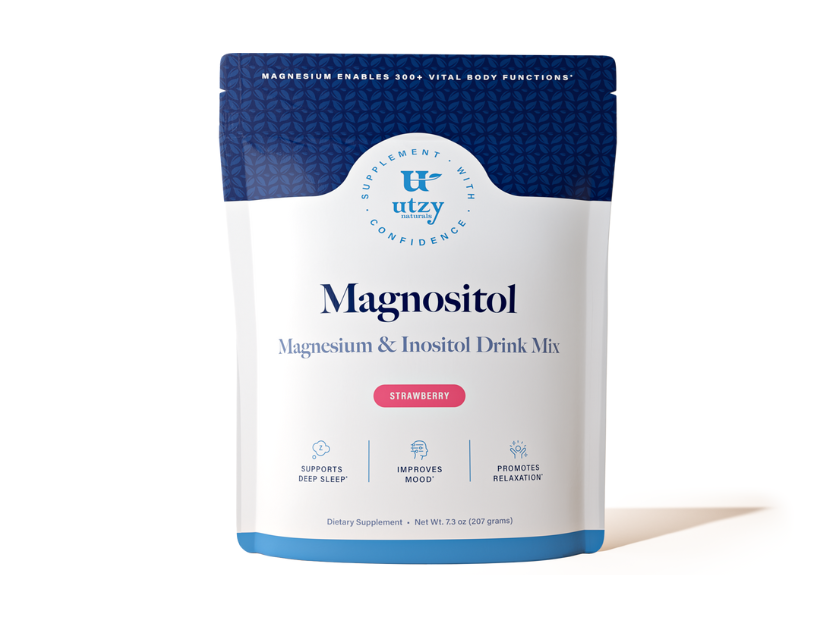
Menstrual phase (days 1-5): Iron loss from bleeding. Anti-inflammatory support for cramping. Magnesium for uterine smooth muscle relaxation. Magnositol addresses both the antispasmodic and magnesium-replenishment needs. Follicular phase (days 6-13): Rising estrogen supports energy and mood. B vitamins support estrogen metabolism. This is when energy and exercise capacity tend to peak. Ovulatory phase (days 14-16): Estrogen peaks. Glutathione supports the oxidative stress of ovulation. Zinc supports progesterone production that follows ovulation. Luteal phase (days 17-28): Progesterone rises, then both hormones fall if no pregnancy. PMS symptoms cluster here — magnesium, B6, and calcium reduce PMS severity in clinical trials. Serotonin declines (explaining mood changes), making tryptophan-rich foods and B6 supplementation particularly relevant.
Practical Cycle-Aware Supplementation
Some supplements remain constant (multivitamin, omega-3, vitamin D). Others can be emphasized during specific phases. Increase magnesium and omega-3 during the menstrual and late luteal phases for anti-inflammatory and antispasmodic support. Ensure adequate iron intake during and immediately after menstruation. Support progesterone production with zinc and B6 during the luteal phase. Vitamin B Complex provides the B6 for serotonin synthesis and estrogen metabolism throughout the cycle.
Do I need to track my cycle to benefit from supplements?
Basic cycle awareness helps (knowing which phase you're in), but you don't need precise tracking. Maintaining consistent foundational supplementation with increased magnesium and anti-inflammatory support during the week before and during your period captures most of the benefit.
Does hormonal birth control change supplement needs?
Yes — oral contraceptives deplete B6, B12, folate, magnesium, zinc, and vitamin C. Women on hormonal birth control have higher baseline nutrient requirements that a quality multivitamin and targeted supplements help address.
*These statements have not been evaluated by the Food and Drug Administration. This product is not intended to diagnose, treat, cure, or prevent any disease.