The Best Supplements for Men's Energy and Vitality
December 07, 20253 min read
Male energy and vitality depend on mitochondrial function, hormonal balance, sleep quality, and stress resilience — the most effective supplements target these systems rather than masking fatigue with stimulants.
Why Men Lose Energy
Mitochondrial efficiency decreases, NAD+ drops ~50% between 40–60, testosterone declines 1–2%/year, sleep quality degrades (less deep sleep = less GH and T production overnight), chronic stress depletes magnesium and B vitamins, and body composition shifts toward visceral fat.
Evidence-Based Support
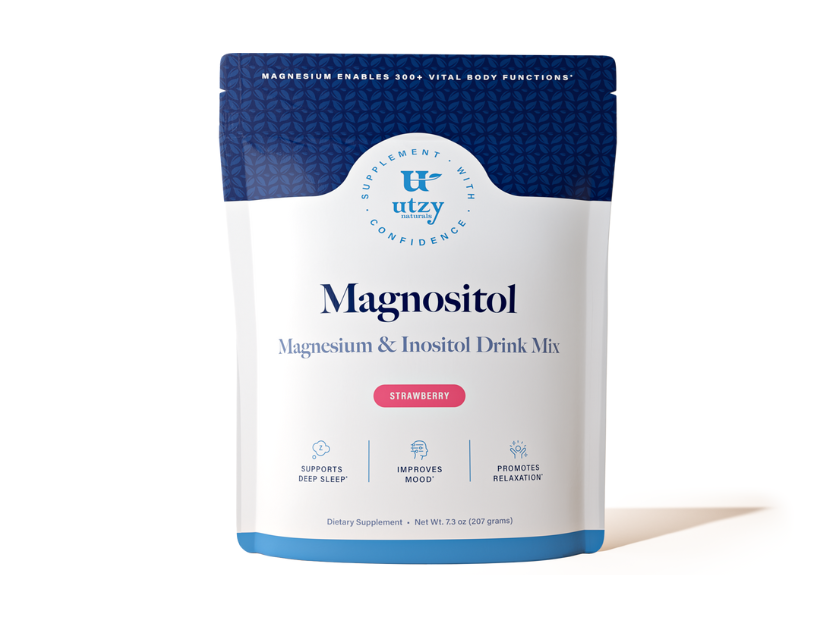
B Complex: Every mitochondrial energy step requires B cofactors. Vitamin B Complex provides methylated forms. CoQ10: Direct mitochondrial electron transport participant. Depleted by statins. 100–200mg daily. Magnesium: Required for ATP production. Over 50% of men are insufficient. Magnositol delivers glycinate. Vitamin D: Men with 40–60 ng/mL report higher energy and better exercise performance. Natural D3 5,000. Ashwagandha: 23–28% cortisol reduction in trials. Improved energy and exercise performance. Adapto-Calm.
What Doesn't Work
Pre-workout stimulants with 300+ mg caffeine mask fatigue without fixing causes. "Male vitality" proprietary blends hide inadequate doses. The evidence-based approach — correcting deficiencies and supporting energy systems — is less flashy but more effective.
The Mitochondrial Decline
Mitochondrial efficiency — the rate at which your cells convert food into ATP — peaks in your 20s and declines progressively. By age 60, mitochondrial ATP production may be 40-50% lower than at age 25. This isn't just about exercise capacity; it affects every energy-dependent process: brain function (neurons are among the most metabolically demanding cells), immune response (immune cell activation requires massive ATP expenditure), tissue repair, and hormonal synthesis. CoQ10 supplementation at 100-200mg daily directly supports the electron transport chain where this decline occurs. NAD+ precursors (from niacin/B3) support the coenzymes that shuttle electrons through the mitochondrial pathway.
Testosterone and Energy: The Direct Connection
Testosterone directly regulates mitochondrial biogenesis (the creation of new mitochondria) through androgen receptor signaling in skeletal muscle. Low T means fewer and less efficient mitochondria, which means less energy production capacity regardless of how well-nourished the mitochondria are. This is why correcting testosterone-supporting nutrient deficiencies (zinc, vitamin D, magnesium) can improve energy through a hormonal pathway distinct from the direct mitochondrial support that B vitamins and CoQ10 provide.
The Stress-Energy Drain
Chronic stress is energetically expensive. Sustaining elevated cortisol production consumes vitamin C (adrenals have the highest C concentration of any organ), B5 (required for cortisol synthesis), and magnesium (excreted in urine under stress). The sympathetic nervous system activation of chronic stress also diverts blood flow and metabolic resources away from digestion, repair, and cognitive function toward "emergency readiness" — a state that burns fuel rapidly without producing useful work. Adaptogens like ashwagandha address this by modulating the HPA axis, reducing cortisol production, and allowing more metabolic resources to be directed toward actual energy rather than stress defense.
Building an Evidence-Based Energy Stack
Start with the foundation: {L("Essentially-U")} for broad nutritional coverage including zinc and methylated B vitamins. Add {L("Natural D3 5,000")} to address the vitamin D gap affecting 42% of adults. Layer {L("Magnositol")} for the magnesium that over 50% of men lack. If stress is a primary energy drain, add {L("Adapto-Calm")} for HPA axis modulation. If age-related mitochondrial decline is the concern, CoQ10 at 100-200mg addresses the cellular energy machinery directly. This layered approach targets multiple energy pathways simultaneously rather than relying on a single supplement or stimulant.
Frequently Asked Questions
How quickly will I notice improvement?
B vitamins and magnesium: 1–2 weeks. CoQ10 and vitamin D: 4–8 weeks. Ashwagandha: 4–8 weeks of consistent use. Deficiency correction can produce surprisingly rapid results.
*These statements have not been evaluated by the Food and Drug Administration. This product is not intended to diagnose, treat, cure, or prevent any disease.