The Anxiety Toolkit: Nutrients, Adaptogens, and Lifestyle Changes
April 12, 20252 min read
Anxiety has identifiable nutritional, neurochemical, and lifestyle drivers — and a comprehensive toolkit combines evidence-based nutrients (magnesium, L-theanine, ashwagandha), lifestyle practices (exercise, sleep, breathwork), and professional support when needed.
The Neuroscience of Anxiety
Anxiety involves a measurable imbalance between excitatory (glutamate) and inhibitory (GABA) neurotransmission in the amygdala and prefrontal cortex. When GABA signaling is insufficient to counterbalance glutamate-driven excitation, the result is hypervigilance, racing thoughts, physical tension, and the persistent sense that something is wrong. Several nutrients directly modulate this balance.
Evidence-Based Nutritional Support
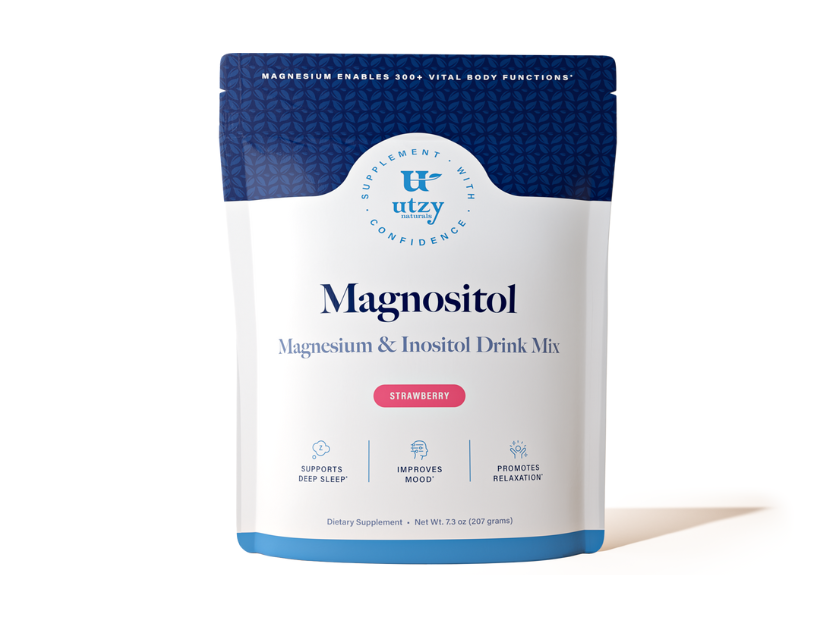
Magnesium: Modulates NMDA glutamate receptors (blocking excessive excitation) and enhances GABA receptor sensitivity (strengthening calming signals). Deficiency — affecting over 50% of adults — is independently associated with increased anxiety in clinical studies. 300-400mg daily as glycinate. Magnositol combines magnesium glycinate with inositol, which has its own anxiety-reducing evidence at 12-18g daily and supports the calming effects at lower doses alongside magnesium. L-theanine: Promotes alpha brain wave activity (calm focus) without sedation. Increases GABA, serotonin, and dopamine while modulating glutamate. 200-400mg daily. Ashwagandha: KSM-66 extract reduces cortisol by 23-28% in controlled trials and significantly reduces anxiety scores (HAM-A scale) compared to placebo. Effects build over 4-8 weeks. Adapto-Calm provides ashwagandha alongside complementary adaptogens.
Lifestyle Amplifiers
Exercise: 30 minutes of moderate aerobic exercise produces anxiolytic effects comparable to a dose of benzodiazepine — through endorphin release, BDNF increase, and cortisol metabolism. Regular exercise is the single most effective non-pharmaceutical anxiety intervention. Sleep: Sleep deprivation increases amygdala reactivity by 60% — making everything feel more threatening. Prioritizing 7-9 hours of quality sleep is an anxiety treatment. Breathwork: Extended exhale breathing (4-count inhale, 7-count exhale) directly activates the vagus nerve and shifts from sympathetic to parasympathetic dominance within 2-3 minutes.
If anxiety significantly interferes with daily functioning (work, relationships, sleep), persists for more than 2 weeks despite self-care efforts, involves panic attacks, or includes thoughts of self-harm, professional evaluation is appropriate. Nutritional support and therapy/medication are complementary, not competing approaches.
Can supplements replace anxiety medication?
For mild-to-moderate anxiety, the combination of magnesium, L-theanine, ashwagandha, exercise, and sleep optimization can be sufficient for many people. For moderate-to-severe anxiety or panic disorder, supplements work best as adjuncts to professional treatment — not replacements.
*These statements have not been evaluated by the Food and Drug Administration. This product is not intended to diagnose, treat, cure, or prevent any disease.