Summer sports — running, cycling, hiking, swimming, tennis — increase both injury opportunity and the nutritional demands of joint protection, collagen repair, and inflammation management. Proactive nutritional support reduces injury risk and accelerates recovery.
Common Summer Injury Mechanisms
Running on hard surfaces generates 2-3x body weight in impact force per stride — approximately 1,000 impacts per mile. Tennis and basketball involve rapid deceleration and lateral movement stressing knee and ankle ligaments. Hiking exposes joints to uneven terrain and sustained load. Swimming is low-impact but can produce rotator cuff inflammation from repetitive overhead motion. Each activity creates specific mechanical stress patterns that nutritional support can help mitigate.
Proactive Joint Nutrition
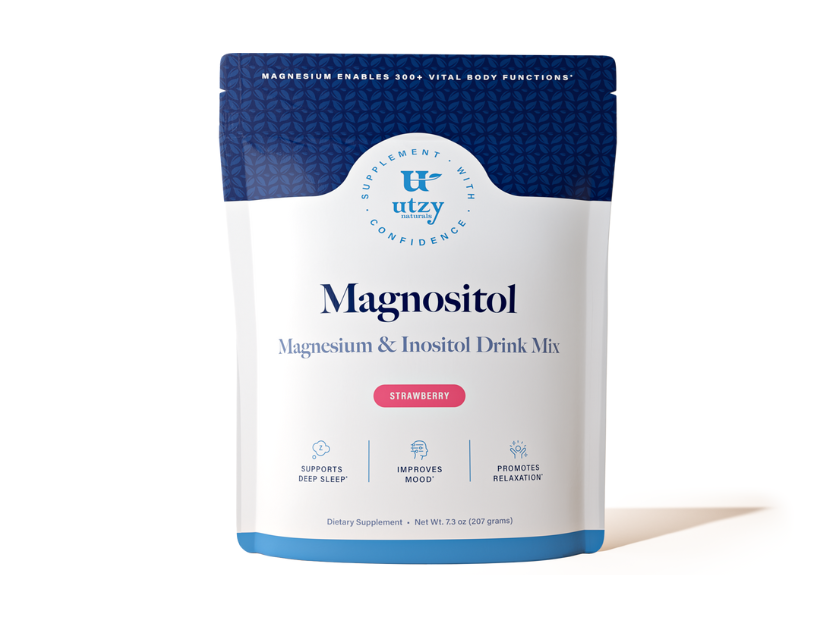
Collagen:Coll-U-Gen provides UC-II undenatured type II collagen that supports cartilage through oral tolerance — retraining the immune system to reduce the autoimmune-mediated cartilage degradation that exercise-induced joint stress can trigger. Anti-inflammatory support:Inflavinol provides Casperome boswellia and curcumin for dual-pathway inflammatory modulation (5-LOX + NF-kB). Magnesium: Supports muscle relaxation between contractions, preventing the chronic tension that transfers excess force to tendons and joints. Magnositol is particularly important during summer when sweat losses deplete magnesium reserves.
Should I take joint supplements preventively or only when I have pain?
Preventively. UC-II collagen works through immune modulation that takes 8-12 weeks to reach full effect. Anti-inflammatory nutrients build tissue levels over weeks. Starting after an injury means weeks without protection during the critical early healing period.
Is running bad for your knees?
Contrary to popular belief, recreational runners have lower rates of knee osteoarthritis than sedentary people — the cyclical loading of running actually stimulates cartilage health. However, running with inadequate recovery, poor biomechanics, or on very hard surfaces without appropriate footwear and nutritional support increases risk.
*These statements have not been evaluated by the Food and Drug Administration. This product is not intended to diagnose, treat, cure, or prevent any disease.