Summer Hydration: Electrolytes, Minerals, and What Your Body Needs
June 05, 20252 min read
Hydration is more than water — your body requires sodium, potassium, magnesium, and chloride in specific ratios to maintain fluid balance, nerve signaling, and muscle function, and plain water alone can actually dilute electrolyte concentrations if consumed in excess without mineral replenishment.
Why Water Alone Isn't Enough
Sweat contains approximately 900-1,400mg sodium, 200-400mg potassium, and 10-30mg magnesium per liter. Drinking plain water replaces volume but not the minerals lost — creating a dilutional effect that can worsen electrolyte imbalances. This is why athletes who drink only water during extended exercise can develop hyponatremia (dangerously low sodium), while those using electrolyte-containing fluids maintain performance and safety.
The Key Electrolytes
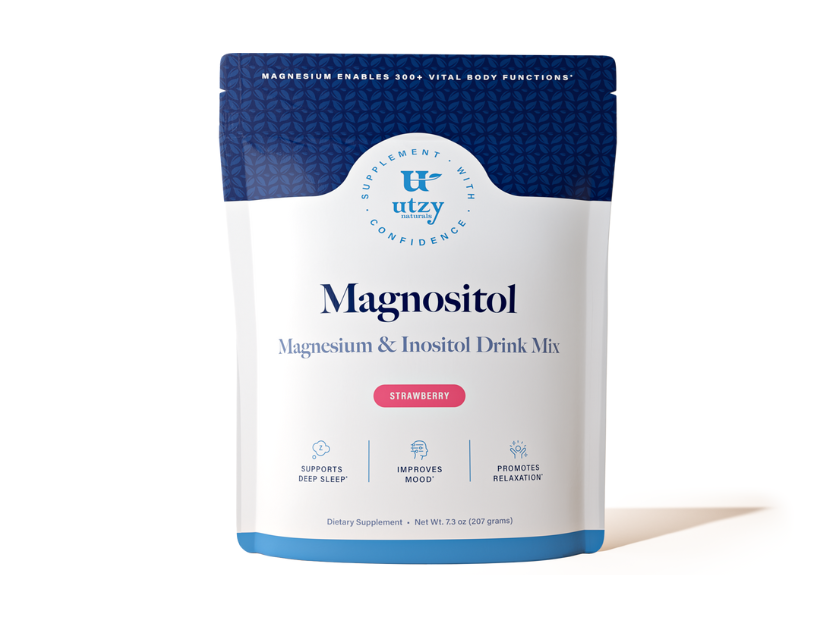
Sodium: The primary extracellular electrolyte governing fluid retention and nerve impulse transmission. 500-1,000mg per liter of fluid during exercise. Potassium: The primary intracellular electrolyte essential for muscle contraction and heart rhythm. Most adults consume only 50-60% of the adequate intake (4,700mg daily). Magnesium: Required for 300+ enzymatic reactions including ATP production and muscle relaxation. Lost through sweat and depleted by stress. Magnositol provides magnesium glycinate for replenishment beyond what electrolyte drinks deliver. Chloride: Works with sodium to maintain fluid balance and is a component of hydrochloric acid for digestion.
Practical Hydration Strategy
For daily hydration, aim for half your body weight in ounces of water plus electrolytes during and after exercise. For workouts under 60 minutes, water with a pinch of mineral salt is sufficient. For workouts exceeding 60 minutes, an electrolyte formula with 300-500mg sodium, 75-150mg potassium, and magnesium per serving supports performance. Avoid electrolyte drinks with added sugar exceeding 6-8% carbohydrate concentration — higher sugar impairs gastric emptying and slows absorption.
Early signs include dark yellow urine, thirst (which lags behind actual dehydration), headache, fatigue, and decreased exercise performance. By the time you feel thirsty, you've already lost 1-2% of body weight as water — enough to impair cognitive and physical function.
Can I drink too much water?
Yes — overhydration (hyponatremia) occurs when excessive water intake dilutes blood sodium below 135 mEq/L. This is most common in endurance athletes drinking large volumes of plain water without electrolyte replacement. Include sodium with high-volume fluid intake.
*These statements have not been evaluated by the Food and Drug Administration. This product is not intended to diagnose, treat, cure, or prevent any disease.