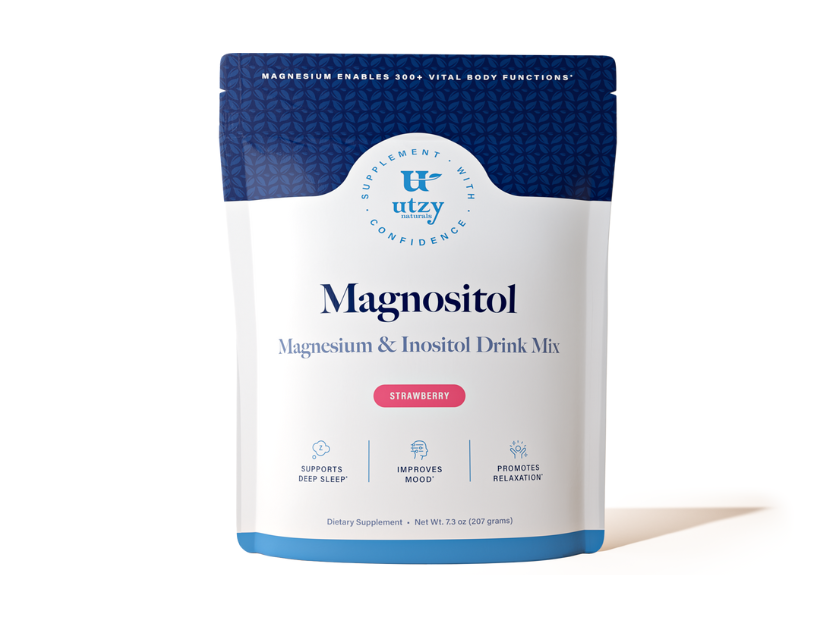
Evaluating any supplement brand takes 5 minutes when you know what to check: ingredient forms (bioactive vs cheap), dose transparency (per-serving amounts vs proprietary blends), third-party testing (verified vs claimed), manufacturing standards (NSF/GMP certified vs unverified), and packaging quality.
The 5-Minute Supplement Brand Audit
1. Flip the bottle — read Supplement Facts, not marketing. Check whether ingredients are listed in their bioactive forms (methylfolate vs folic acid, magnesium glycinate vs oxide, methylcobalamin vs cyanocobalamin). Inferior forms signal a brand that prioritizes cost over efficacy. 2. Check for proprietary blends. If the label says 'Proprietary Blend 500mg' followed by a list of 8 ingredients, you have no idea how much of each is present. This is a deliberate strategy to hide underdosing. Transparent brands list each ingredient's specific dose. 3. Look for third-party testing marks. NSF, USP, or IFOS logos indicate independent verification. Claims of 'lab tested' without specifying which lab or which standards are meaningless. 4. Check manufacturing standards. NSF-certified or GMP-certified facilities meet documented quality standards. 'Made in a GMP facility' is weaker than 'NSF-certified manufacturing.' 5. Evaluate packaging. Glass protects potency. Plastic is cheaper but compromises light-sensitive and heat-sensitive ingredients.
Red Flags to Watch For
Proprietary blends hiding individual doses. 'Kitchen sink' formulas with 20+ ingredients at sub-clinical doses. Excessive marketing claims ('miracle,' 'breakthrough,' 'doctor-formulated' without specifying which doctor or what their qualifications are). Extremely low prices (quality ingredients cost money — dramatically cheaper products usually cut corners on forms, doses, or testing). Celebrity endorsements substituting for clinical evidence.
Frequently Asked Questions
What's the most important thing to check?
Ingredient forms and transparent dosing. A supplement with the right ingredients in the wrong forms at undisclosed doses is functionally useless — no amount of good marketing changes the biochemistry.
Are expensive supplements always better?
Not always — but extremely cheap supplements are almost always worse. Quality ingredients, proper testing, and good packaging have real costs. The sweet spot is products that invest in ingredient quality and testing without excessive marketing overhead.
*These statements have not been evaluated by the Food and Drug Administration. This product is not intended to diagnose, treat, cure, or prevent any disease.