Post-Workout Recovery: What Your Body Actually Needs
November 15, 20253 min read
Effective post-workout recovery requires three things: protein for muscle repair, anti-inflammatory nutrients to manage exercise-induced inflammation, and minerals (particularly magnesium, zinc, and electrolytes) to replace what was lost through sweat.
Protein: The Foundation
Resistance exercise and endurance training both create muscle fiber micro-damage that requires amino acids for repair and remodeling. The "anabolic window" concept (needing protein within 30 minutes post-workout) has been somewhat overstated — total daily protein intake matters more than precise timing. However, consuming 20–40g of high-quality protein within 2 hours of training does optimize muscle protein synthesis. Aim for 1.6–2.2g per kg of body weight daily for active individuals.
Anti-Inflammatory Support
Exercise-induced inflammation is necessary for adaptation, but supporting complete resolution prevents chronic inflammation from accumulating. Omega-3 fatty acids (EPA and DHA) provide the precursors for resolvins — specialized molecules that actively resolve inflammation rather than just blocking it. Curcumin modulates NF-kB inflammatory signaling without the COX-inhibitory effects that impair muscle adaptation. Omega-3 Fish Oil and Inflavinol support these resolution pathways.
Mineral Replacement
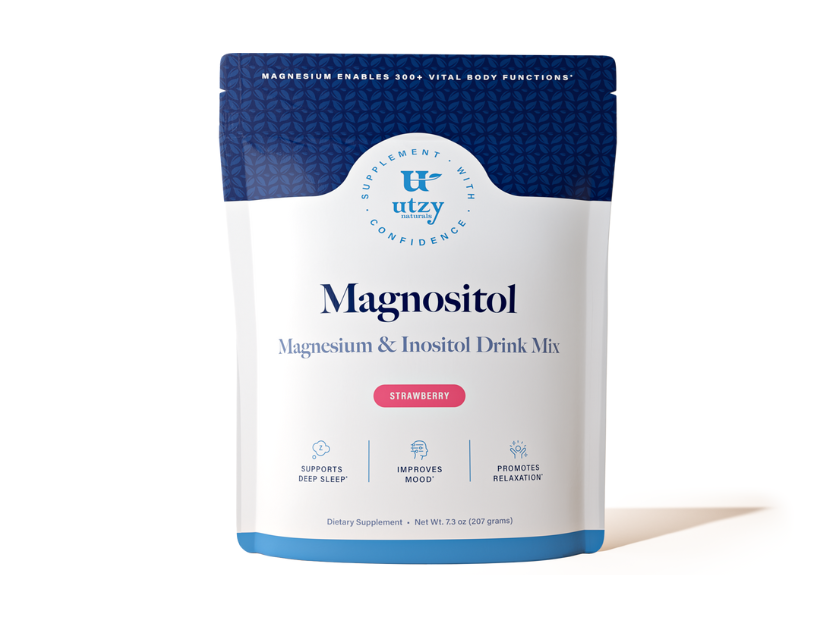
Sweat contains significant amounts of sodium (highest concentration), potassium, magnesium, zinc, and iron. While sodium and potassium are easily replaced through food and beverages, magnesium and zinc losses are more difficult to compensate through diet alone — especially for athletes training daily. Magnositol provides magnesium glycinate for post-training recovery, nervous system restoration, and sleep support. Coll-U-Gen adds joint-protective UC-II collagen for athletes putting repetitive stress on cartilage.
The Protein Timing Debate: What Actually Matters
The concept of a narrow "anabolic window" — the idea that you must consume protein within 30 minutes of training or lose the muscle-building benefit — has been substantially revised by recent research. A meta-analysis in the Journal of the International Society of Sports Nutrition found that total daily protein intake is a stronger predictor of muscle protein synthesis than timing relative to exercise. That said, distributing protein intake across 3-4 meals (0.4-0.55g per kg per meal) is superior to concentrating it in 1-2 meals.
The practical takeaway: aim for 20-40g of complete protein within 2 hours of training (not strictly 30 minutes), and ensure total daily intake reaches 1.6-2.2g per kg of body weight for active individuals. Quality matters — leucine content drives muscle protein synthesis initiation, making whey, eggs, and lean meat the most effective post-workout protein sources per gram.
The Underappreciated Role of Sleep in Recovery
Growth hormone release occurs primarily during slow-wave (deep) sleep — making sleep the most important recovery variable that most athletes undervalue. Testosterone production also follows a sleep-dependent pattern, with the majority of daily production occurring during sleep. Sleep restriction to 5 hours per night for one week reduces testosterone by 10-15% in young men — an effect comparable to aging 10-15 years. For athletes concerned about recovery and performance, 8-9 hours of sleep provides more benefit than any supplement stack.
Frequently Asked Questions
Do I need a post-workout supplement shake?
A balanced meal within 2 hours of training provides everything you need. Shakes are convenient but not superior to whole food. If using a shake, prioritize protein quality (whey, casein, or plant blend with complete amino acid profile) over added sugars and fillers.
*These statements have not been evaluated by the Food and Drug Administration. This product is not intended to diagnose, treat, cure, or prevent any disease.