Insulin Resistance: Early Signs and Natural Support Strategies
November 07, 20253 min read
Insulin resistance develops gradually — often over years — with early warning signs including increased abdominal fat, post-meal fatigue, persistent sugar cravings, rising fasting glucose (even within the "normal" range), and difficulty losing weight despite dietary effort.
How Insulin Resistance Develops
Insulin resistance is a progressive condition where cells — particularly in muscle, liver, and fat tissue — become less responsive to insulin's signal to absorb glucose from the bloodstream. In response, the pancreas produces more insulin (hyperinsulinemia) to force the same amount of glucose into cells. Blood glucose stays "normal" during this compensatory phase, which is why standard fasting glucose tests can miss early insulin resistance.
The cycle is self-reinforcing: hyperinsulinemia promotes fat storage (especially visceral abdominal fat), inhibits fat burning, increases hunger and cravings, and creates inflammation — all of which further worsen insulin resistance. This can continue for 5–15 years before fasting glucose finally rises into the prediabetic range.
Early Warning Signs
Central adiposity: Waist circumference above 35 inches (women) or 40 inches (men) is a more sensitive marker of insulin resistance than BMI. Post-meal fatigue: Feeling sleepy or foggy 1–2 hours after carbohydrate-rich meals suggests an exaggerated insulin response. Skin tags and acanthosis nigricans: Darkened skin in body folds (neck, armpits, groin) is a clinical sign of hyperinsulinemia. Elevated triglyceride-to-HDL ratio: A ratio above 2:1 is a surrogate marker for insulin resistance. Rising fasting glucose: A fasting glucose that's increased from 85 to 98 over several years — still "normal" — represents a meaningful metabolic trajectory.
Natural Support Strategies
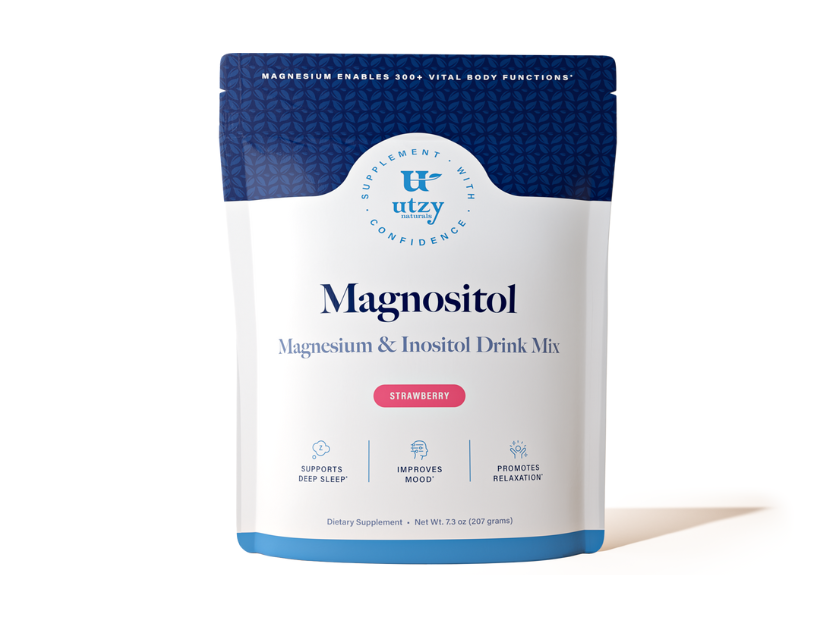
The most impactful intervention is regular exercise — particularly resistance training, which increases glucose transporter (GLUT4) expression in muscle tissue independent of insulin. Dietary changes (reducing refined carbohydrates, increasing protein and fiber, meal sequencing) reduce glucose load. Supplemental support includes berberine (AMPK activation), inositol (insulin second messenger support), chromium (insulin receptor sensitivity), and magnesium (cofactor in 300+ metabolic enzymes). Berbercol and Magnositol address these metabolic pathways from complementary angles.
The Fasting Insulin Test: Catching It Early
Here is perhaps the most important practical recommendation in metabolic health: request fasting insulin testing at your annual physical. This single blood test detects insulin resistance years before fasting glucose or HbA1c become abnormal — because the pancreas compensates for increasing cellular resistance by producing more insulin. You can have "normal" glucose while insulin is elevated 3-5 fold above optimal.
Optimal fasting insulin is 3-8 microIU/mL. Levels of 8-12 suggest early insulin resistance. Above 12 indicates significant insulin resistance — even if glucose is perfectly normal. By the time fasting glucose crosses 100 mg/dL (the official prediabetes threshold), insulin resistance has typically been present for 5-15 years. Testing insulin catches the problem during the window when lifestyle intervention is most effective and complete reversal is most achievable.
The Visceral Fat Connection
Waist circumference is a better predictor of insulin resistance than BMI because it specifically reflects visceral adipose tissue — the metabolically active fat surrounding abdominal organs. Visceral fat is not passive storage; it's an endocrine organ that produces inflammatory adipokines (TNF-alpha, IL-6, resistin), increases free fatty acid delivery to the liver (driving hepatic insulin resistance and NAFLD), and reduces adiponectin (an insulin-sensitizing hormone). Reducing visceral fat through exercise and dietary intervention directly improves insulin sensitivity — even without significant scale weight loss.
Frequently Asked Questions
Can insulin resistance be reversed?
Yes — in its early stages, insulin resistance is highly responsive to lifestyle intervention. Regular exercise, dietary modification, weight loss (even 5–7%), and targeted supplementation can measurably restore insulin sensitivity within weeks to months.
Is insulin resistance the same as prediabetes?
Insulin resistance precedes prediabetes. You can be insulin resistant with normal fasting glucose because compensatory hyperinsulinemia maintains glucose control. Prediabetes is diagnosed when that compensation starts failing and glucose rises above 100 mg/dL fasting or HbA1c exceeds 5.7%.
*These statements have not been evaluated by the Food and Drug Administration. This product is not intended to diagnose, treat, cure, or prevent any disease.