Chromium, Berberine, and Inositol: Nutrients That Support Glucose Metabolism
November 08, 20253 min read
Chromium enhances insulin receptor sensitivity by potentiating insulin's binding signal, berberine activates AMPK for cellular glucose uptake and fatty acid oxidation, and inositol supports the second messenger cascade that transmits insulin's signal inside cells — three distinct mechanisms that together address glucose metabolism comprehensively.
Chromium: Insulin Receptor Potentiation
Chromium is a trace mineral that enhances insulin's effectiveness at the receptor level — it doesn't replace insulin but amplifies its signal. The proposed mechanism involves chromium's role in chromodulin, an oligopeptide that potentiates insulin receptor tyrosine kinase activity. In practical terms: with adequate chromium, less insulin is needed to achieve the same glucose-lowering effect. Clinical trials show modest but consistent benefits — a meta-analysis in Diabetes Technology and Therapeutics found chromium supplementation reduced fasting glucose by 7 mg/dL and HbA1c by 0.4% on average. Chromium picolinate is the most-studied supplemental form at 200–1,000mcg daily.
Berberine: AMPK Activation
Berberine works downstream of the insulin receptor by activating AMPK — the cellular energy sensor that increases GLUT4 transporter expression (moving glucose into cells), inhibits hepatic gluconeogenesis (reducing the liver's glucose output), and promotes fatty acid oxidation (shifting metabolism from fat storage to fat utilization). The mechanism is insulin-independent, which is why berberine can improve glucose disposal even in insulin-resistant states. Berbercol provides berberine alongside bergamot for metabolic and cardiovascular support.
Inositol: Second Messenger Signaling
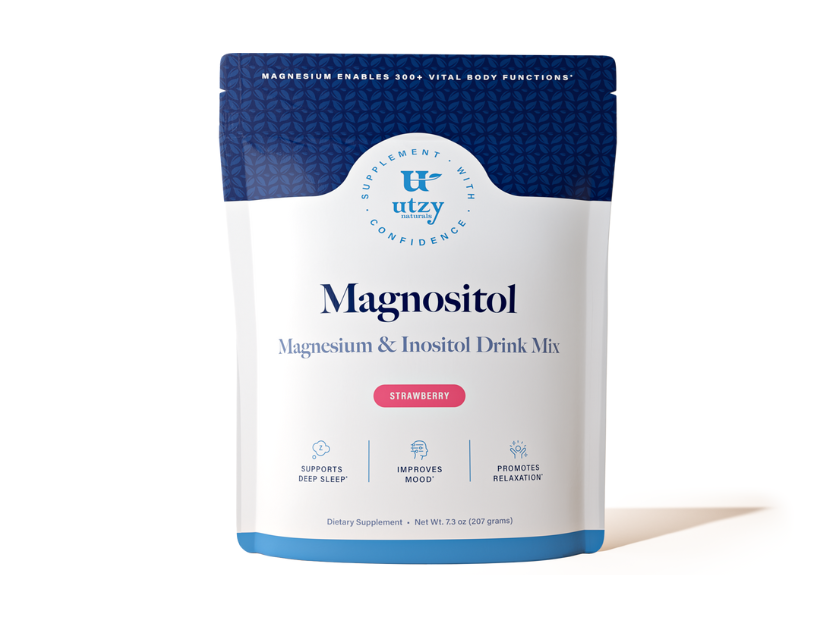
Myo-inositol is a component of the phosphatidylinositol (PI) signaling system that transmits insulin's message from the cell surface receptor to intracellular metabolic machinery. When this second messenger system is impaired (common in insulin resistance and PCOS), insulin may bind to its receptor but the signal doesn't efficiently propagate inside the cell. Supplemental inositol restores this signaling cascade. Clinical trials demonstrate that 2,000–4,000mg daily of myo-inositol improves insulin sensitivity comparably to metformin in some PCOS populations. Magnositol combines inositol with magnesium for dual metabolic pathway support.
The Multi-Target Advantage
Glucose metabolism isn't a single pathway — it involves receptor binding, signal transduction, transporter activation, hepatic regulation, and mitochondrial processing. Addressing a single point (as most drugs do) has inherent limitations. Combining chromium (receptor level), berberine (AMPK/cellular level), and inositol (second messenger level) covers three critical control points simultaneously.
Synergy vs Individual Supplementation
The advantage of combining these three nutrients isn't simply additive — there's genuine mechanistic synergy. Chromium improves insulin binding at the receptor. This enhanced receptor signal is then transmitted intracellularly more efficiently because inositol has restored the PI second messenger cascade. And berberine's AMPK activation increases GLUT4 transporter translocation to the cell surface, meaning more glucose channels are available to respond to the improved insulin signal. Each nutrient amplifies the others' effects because they operate at sequential points in the same metabolic pathway.
Compare this to taking a single agent that works at only one control point — the upstream (receptor) and downstream (transporter) nodes remain impaired, limiting the overall benefit. Multi-target strategies in metabolic health consistently outperform single-target approaches in clinical practice.
Monitoring Your Response
If you're supplementing for metabolic support, testing validates your investment. Baseline labs before starting (fasting glucose, fasting insulin, HbA1c, lipid panel with triglycerides) provide a reference point. Retest at 12 weeks — this gives all three nutrients time to reach their full metabolic effect. The triglyceride-to-HDL ratio (ideally below 2:1) and fasting insulin (ideally 3-8 microIU/mL) are the most sensitive markers of insulin sensitivity improvement. If these improve, your metabolic strategy is working regardless of what the scale says.
Frequently Asked Questions
Can I take all three together?
Yes — they work through non-overlapping mechanisms and don't compete for the same targets. However, the combined glucose-lowering effect could be significant for people already on diabetes medication, so medical supervision is important for those on prescription glucose-lowering drugs.
*These statements have not been evaluated by the Food and Drug Administration. This product is not intended to diagnose, treat, cure, or prevent any disease.