Holiday stress compounds quickly through four simultaneous channels — sleep disruption, dietary changes, social obligations, and financial pressure — and evidence-based management requires addressing all four rather than treating stress as a single entity.
Why Holiday Stress Is Uniquely Challenging
Unlike workplace or relationship stress (which typically have identifiable sources), holiday stress is multifactorial and often carries cultural pressure to appear happy despite the strain. Sleep schedules shift with travel and social events. Dietary quality declines (more sugar, alcohol, processed food — all of which worsen stress physiology). Social obligations increase at exactly the time recovery opportunities decrease. Financial spending adds a persistent background anxiety that compounds other stressors.
Evidence-Based Strategies
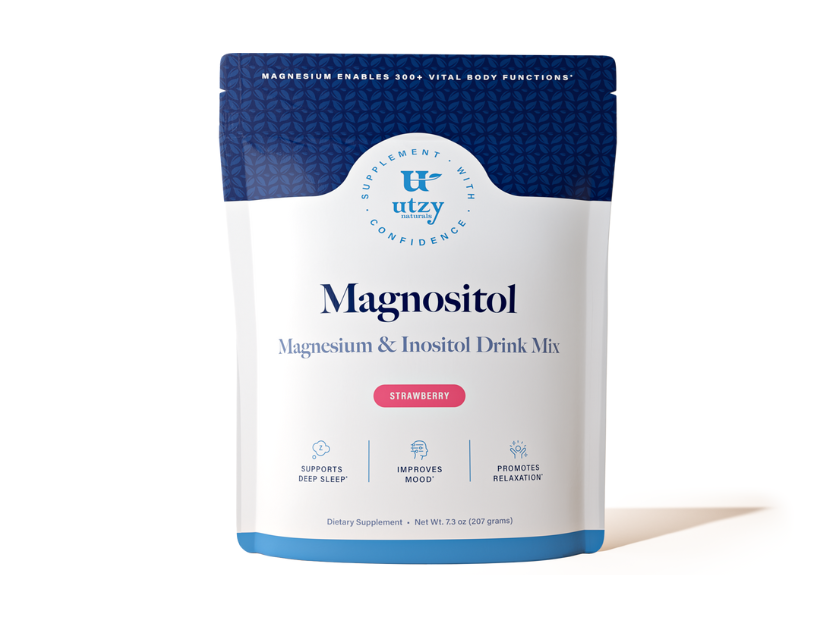
Protect sleep timing: Maintain consistent wake times (the most important circadian anchor) even if bedtimes vary. Strategic supplementation:Adapto-Calm provides ashwagandha for cortisol modulation — studies show 23–28% cortisol reduction with consistent use. Magnositol supports nervous system calming with magnesium glycinate and inositol. Deliberate recovery: Schedule non-negotiable downtime — even 20 minutes of quiet solitude daily prevents stress accumulation. Dietary anchoring: Maintain protein at every meal and limit alcohol to 1–2 servings (alcohol disrupts sleep architecture and depletes B vitamins, magnesium, and glutathione).
The Four Channels of Holiday Stress
Sleep disruption: Travel across time zones, late social events, altered routines, alcohol before bed, and temperature changes in unfamiliar sleeping environments all fragment sleep architecture. The compounding effect is significant — even 2-3 nights of poor sleep measurably impairs mood regulation, immune function, and glucose metabolism.
Dietary shifts: The combination of increased sugar, alcohol, processed food, and irregular meal timing during the holidays directly affects brain chemistry. Sugar consumption triggers dopamine release followed by crashes. Alcohol depletes B vitamins, magnesium, and glutathione. Irregular eating disrupts circadian glucose patterns. These aren't just comfort food indulgences — they're biochemical stressors that compound psychological stress.
Social and emotional demands: Family dynamics, social performance pressure, loneliness (for those without family connections), grief (holidays amplify loss), and the cognitive load of gift-giving, hosting, and travel planning all generate sustained cortisol activation. Social stress is biochemically identical to physical threat stress — your HPA axis doesn't distinguish between a difficult family conversation and running from a predator.
Financial pressure: Gift-giving expectations, travel costs, and hosting expenses create background anxiety that persists for weeks — sometimes months into the new year when credit card statements arrive. Financial stress is uniquely corrosive because it lacks the acute-resolution pattern of other stressors. It's persistent, pervasive, and often accompanied by shame that prevents people from discussing it.
The Cortisol Budget Concept
Think of your stress management capacity as a budget. Every stressor draws from the same cortisol account — work stress, holiday logistics, sleep deprivation, dietary inflammation, and relationship tension all make withdrawals. Adaptogens, magnesium, adequate sleep, and exercise make deposits. When withdrawals exceed deposits for extended periods, the account goes into deficit — manifesting as the exhaustion, irritability, and illness vulnerability that characterize late-December burnout. Managing holiday stress isn't about eliminating stressors (impossible) — it's about making enough deposits to keep the account balanced.
Frequently Asked Questions
Why do I get sick right after the holidays?
The "let-down effect" — when sustained stress hormones drop rapidly after a stressful period, temporary immune suppression reveals itself as illness. Supporting immune nutrients (vitamin D, zinc, vitamin C) throughout the holiday period helps prevent this post-holiday vulnerability.
*These statements have not been evaluated by the Food and Drug Administration. This product is not intended to diagnose, treat, cure, or prevent any disease.