Seed cycling involves consuming specific seeds — flax and pumpkin during the follicular phase, sunflower and sesame during the luteal phase — to modulate estrogen and progesterone levels. The theory is reasonable, the nutrient content of the seeds is beneficial, but the specific hormone-modulating claims lack controlled clinical evidence.
The Theory
Seed cycling proposes that flax seeds (rich in lignans that may modulate estrogen receptor activity) and pumpkin seeds (high in zinc, needed for progesterone production) are consumed during the follicular phase (days 1–14) to support healthy estrogen levels. During the luteal phase (days 15–28), sunflower seeds (high in selenium and vitamin E) and sesame seeds (also rich in lignans) are consumed to support progesterone.
What the Evidence Actually Shows
The nutrients in these seeds are genuinely beneficial. Flax lignans have demonstrated weak estrogenic and anti-estrogenic effects in clinical studies. Zinc is a required cofactor for progesterone synthesis. Selenium supports thyroid function (which influences the entire hormonal cascade). Vitamin E has shown benefit for PMS symptoms in small trials. However, there are zero randomized, controlled clinical trials testing the specific practice of seed cycling — rotating these seeds by menstrual phase — for hormone modulation. The practice is based on theoretical mechanisms, not demonstrated outcomes.
The Verdict
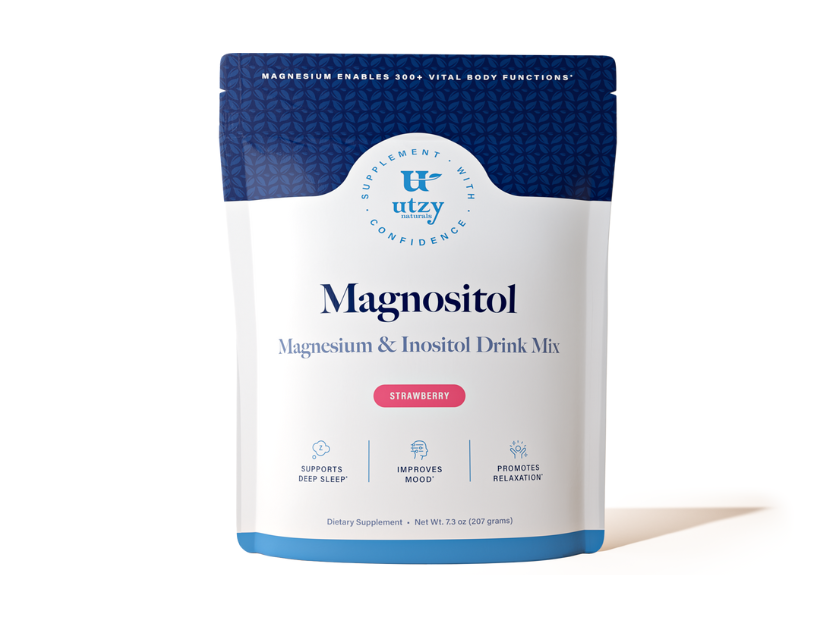
Seed cycling is "harmless and nutritionally reasonable, but unproven for its specific hormone-balancing claims." Eating flax, pumpkin, sunflower, and sesame seeds regularly is nutritionally sound regardless of cycling protocol. If the practice helps you maintain consistent intake of these nutrient-dense seeds, the nutritional benefits are real even if the phase-specific hormone modulation is unproven. For targeted hormonal support with clinical evidence, Magnositol combines inositol (clinically studied for hormonal balance in PCOS) with magnesium (which supports progesterone production and reduces PMS symptoms in controlled trials).
The Lignans in Flax: What We Actually Know
Flaxseeds are the richest dietary source of plant lignans (secoisolariciresinol diglucoside, or SDG), which are converted by gut bacteria into enterolactone and enterodiol — compounds with weak estrogenic and anti-estrogenic activity depending on the hormonal context. In high-estrogen states, lignans may compete with estrogen for receptor binding, producing a net anti-estrogenic effect. In low-estrogen states, their weak estrogenic activity may provide mild hormonal support.
This dual behavior (estrogenic in low-estrogen states, anti-estrogenic in high-estrogen states) makes lignans theoretically interesting as hormone modulators. A 2004 study in Cancer Epidemiology, Biomarkers & Prevention found that flax consumption modestly extended the luteal phase and improved the progesterone-to-estrogen ratio in cycling women. However, the study was small and short-duration.
The zinc content of pumpkin seeds (7.6mg per ounce) is genuinely relevant to hormonal health — zinc is a required cofactor for progesterone receptor function, and many women are marginally zinc-insufficient. But attributing this benefit to cycle-timed consumption specifically (rather than just eating pumpkin seeds regularly) is an unsupported extrapolation.
What to Do Instead (or In Addition)
If you're interested in evidence-based hormonal support, the nutrients with the strongest clinical data include inositol (robust PCOS and insulin resistance evidence), magnesium (documented PMS, PMDD, and migraine reduction), vitamin B6 (serotonin synthesis for luteal-phase mood support), and omega-3 fatty acids (anti-inflammatory effects that may reduce prostaglandin-driven menstrual symptoms). These have controlled trial data supporting their specific hormonal and menstrual benefits — seed cycling currently does not.
Frequently Asked Questions
Can seed cycling hurt me?
No — seeds are nutritious foods. The worst-case scenario is that the phase-specific cycling doesn't provide additional hormonal benefits beyond eating these seeds randomly. The nutritional value remains regardless.
How long should I try seed cycling before expecting results?
Advocates recommend 3–4 cycles (3–4 months) to assess effects. This is reasonable from a nutritional perspective — it takes time for consistent nutrient intake to affect hormonal markers.
*These statements have not been evaluated by the Food and Drug Administration. This product is not intended to diagnose, treat, cure, or prevent any disease.