

shop



learn





Stress Management Guide
Discover the best natural supplements for stress management, including adaptogens, magnesium, and L-theanine. Learn how ashwagandha, rhodiola, and inositol support stress resilience naturally.
What Are the Best Natural Supplements for Stress Management?
The best natural supplements for stress management include adaptogens like ashwagandha and rhodiola, calming minerals like magnesium glycinate, amino acids like L-theanine, and mood-supporting nutrients like inositol. These ingredients work through different mechanisms to help your body manage stress more effectively and build long-term resilience.
Understanding Stress and Its Effects on the Body
Cortisol and the HPA axis are central to understanding our stress response. The hypothalamic-pituitary-adrenal (HPA) axis is the body's central stress response system, coordinating the release of stress hormones like cortisol. While acute stress—short-term challenges that demand our immediate attention—can be helpful and energizing, chronic stress is fundamentally different. Chronic stress occurs when the stress response stays activated over extended periods, affecting sleep quality, digestive function, immune system performance, mood stability, and cognitive abilities.
When the HPA axis remains chronically activated, it can lead to HPA axis dysregulation. In this state, cortisol levels may remain inappropriately elevated throughout the day, or the normal cortisol rhythm becomes flattened—meaning the healthy pattern of higher cortisol in the morning and lower levels at night breaks down. This dysregulation contributes to many modern health challenges, from sleep disturbances to metabolic changes to mood disorders.
This is where natural supplements can play a supportive role. Rather than suppressing the stress response entirely (which we actually need for survival and thriving), targeted supplementation helps restore appropriate HPA axis function and supports the body's natural ability to activate and recover from stress. Research continues to validate traditional approaches, with modern clinical studies confirming the mechanisms by which certain herbs and nutrients support stress resilience.
Reference: https://pubmed.ncbi.nlm.nih.gov/28526235/
How Natural Supplements Can Support Stress Resilience
Natural stress-supporting supplements work through three main categories, each with distinct mechanisms:
Adaptogens—herbs that help the body adapt to stress by modulating the HPA axis and supporting healthy cortisol rhythms. Unlike sedatives, they don't eliminate stress but help the body respond more efficiently to stressors and recover more quickly.
Minerals and amino acids—including magnesium, L-theanine, and others that directly support nervous system function and neurotransmitter balance. These nutrients address specific physiological needs that stress depletes.
Mood-supporting nutrients—like inositol, which support healthy neurotransmitter signaling pathways involved in mood regulation and emotional resilience.
The goal of supplementation is not to suppress the stress response (which you need for appropriate motivation and performance) but to support appropriate activation and efficient recovery. When these systems work optimally, you feel more resilient, recover faster from challenges, and maintain better emotional balance.
Key Ingredients to Look For in a Stress Supplement
Ashwagandha (Withania somnifera)
Ashwagandha is one of the most well-studied adaptogens available today. With a history spanning thousands of years in Ayurvedic medicine, modern clinical trials have validated its traditional uses. Research shows ashwagandha supports healthy cortisol levels, reduces perceived stress, and may improve sleep quality—all critical components of stress resilience.
The herb works by modulating HPA axis activity and supporting GABAergic signaling, which is the brain's primary calming pathway. When selecting an ashwagandha supplement, look for root extract standardized to withanolides (the active compounds), commonly found in KSM-66 or Sensoril extracts, which have strong research backing.
Reference: https://pubmed.ncbi.nlm.nih.gov/32021735/
Rhodiola (Rhodiola rosea)
Rhodiola is an adaptogen with a particularly strong research base for stress resilience and mental performance under pressure. Used for centuries in Scandinavian and Russian folk medicine, this herb is known for supporting cognitive function during stressful periods while helping manage fatigue and supporting a healthy cortisol response.
The mechanisms of action are elegant—rhodiola works through multiple pathways including serotonin and dopamine modulation, neurotransmitters essential for mood and motivation. This multi-pathway approach makes it particularly valuable for comprehensive stress management. When choosing rhodiola, select extracts standardized to rosavins and salidroside, the compounds with the strongest research support.
Reference: https://pubmed.ncbi.nlm.nih.gov/22228617/
L-Theanine
L-theanine is an amino acid found naturally in green tea, offering rapid and noticeable stress support. Unlike sedating supplements, theanine promotes alpha brain wave activity—the brain state associated with calm alertness and relaxed focus. This makes it uniquely valuable for daytime stress management when you need to stay functional and alert.
The amino acid crosses the blood-brain barrier efficiently and influences GABA, serotonin, and dopamine levels. Most users notice calming effects within 30-60 minutes of taking L-theanine. Typical effective doses range from 100-200mg, making it accessible for both targeted acute support and daily resilience building.
Magnesium Glycinate
Magnesium is involved in over 300 enzymatic reactions in the body, including many that regulate the stress response and nervous system function. Despite its critical importance, many adults are significantly deficient in this mineral. The glycinate form is highly bioavailable and well-tolerated, making it less likely to cause the digestive discomfort associated with other magnesium forms.
Magnesium glycinate supports muscle relaxation, nervous system calm, and healthy cortisol metabolism. The glycine component itself has calming properties, creating a synergistic effect. Evening supplementation is particularly beneficial, as it supports both stress recovery and sleep preparation—two processes deeply connected through the nervous system.
Inositol (Myo-Inositol)
Inositol, sometimes called vitamin B8 (though technically not a true vitamin), plays a crucial role in cell signaling pathways throughout the body. Its primary relevance to stress management lies in its effects on neurotransmitter signaling, particularly those pathways involving serotonin and other mood-supporting neurotransmitters.
Research supports inositol's use for mood balance and emotional wellbeing. Unlike some supplements that add neurotransmitters directly, inositol works by supporting the sensitivity of neurotransmitter receptors—essentially helping your brain respond more effectively to calming signals it's already producing. While found naturally in many foods, supplemental doses provide more targeted support for stress-related mood changes.
How to Choose a Stress Support Supplement
When selecting a stress support supplement, several quality markers indicate a well-formulated product. Look for third-party testing by organizations like NSF, USP, or ConsumerLab to verify label accuracy and purity. Transparent ingredient labels that disclose amounts, forms, and sources matter significantly. Standardized extracts for adaptogens ensure consistent potency.
Dosing should be based on clinical research rather than marketing claims. Consider whether you prefer single-ingredient or combination formulas—combination formulas offer convenience and potential synergistic benefits where ingredients work together more effectively than alone.
Timing matters as well. Adaptogens are best taken in the morning or early afternoon to support resilience throughout the waking day. Magnesium and L-theanine can be used anytime but are particularly valuable in the evening for stress recovery and sleep support. Avoid formulas with unnecessary fillers, additives, or ingredients you don't recognize.
Our Recommended Stress Support Supplements
Adapto-Calm
Utzy Naturals Adapto-Calm combines ashwagandha, holy basil, and passionflower for comprehensive daytime stress support. This formula is designed to help regulate cortisol, support HPA axis balance, and promote a calm, focused state throughout the day. The combination of three complementary adaptogens creates synergistic effects greater than any single ingredient alone.
Link: Adapto-Calm
Magnositol
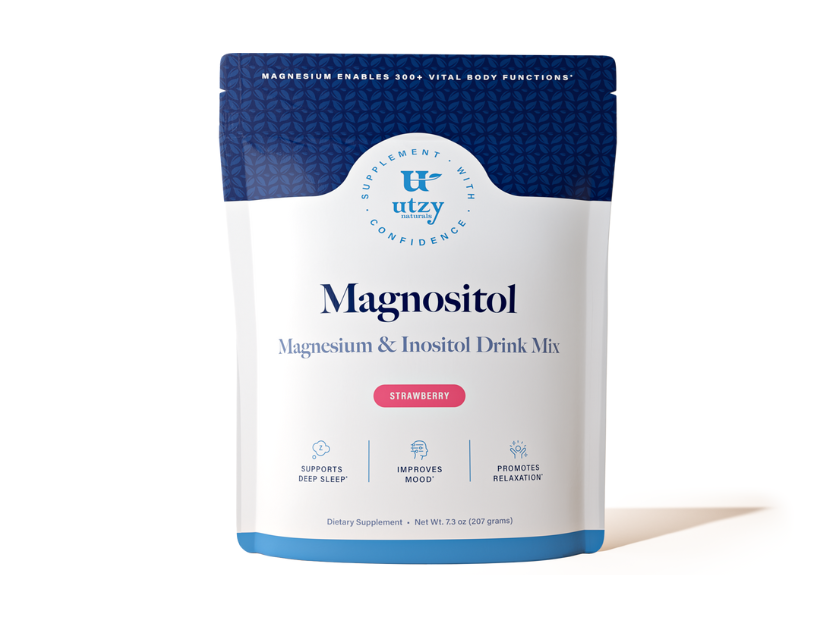
Utzy Naturals Magnositol pairs magnesium glycinate with inositol for evening stress recovery and relaxation support. The powder format mixes easily into water for a soothing evening ritual that supports both nervous system function and emotional wellbeing. This combination addresses multiple pathways of stress and mood support, making it ideal for comprehensive evening wind-down.
Link: Magnositol
Stress Support Stacking Guide
For optimal stress management, consider how different supplements work together throughout your day. Two primary use cases emerge:
Daytime calm and focus: Take Adapto-Calm in the morning to support stress resilience throughout the day. This provides foundational HPA axis support as you encounter the day's challenges.
Evening wind-down: Take Magnositol 2-3 hours before bed to support relaxation and stress recovery. This allows your nervous system to shift from sympathetic (stress) to parasympathetic (rest) mode.
For those whose stress significantly affects sleep quality, consider adding complementary sleep support products. Utzy Naturals offers Fall Asleep for transitioning to sleep and Stay Asleep for maintaining restful sleep throughout the night.
Link to sleep hub: Natural Sleep Aids Guide
Frequently Asked Questions
What are adaptogens?
Adaptogens are a specific class of herbs that help the body adapt to physical and mental stress by modulating the HPA axis and stress response pathways. They work by helping normalize stress hormone levels and supporting efficient recovery.
How long do adaptogens take to work?
While some calming effects may be noticed within days of starting adaptogens, these herbs typically require 4-8 weeks of consistent use to deliver their full stress-resilience benefits. This timeline reflects how the body gradually recalibrates stress response pathways.
Can I take stress supplements with anxiety medication?
Always consult your healthcare provider before combining supplements with prescription medications, especially those affecting mood or the nervous system. Some interactions are possible, and personalized medical guidance is essential.
Is magnesium glycinate better than other forms of magnesium?
Magnesium glycinate is one of the most bioavailable forms and is significantly less likely to cause digestive discomfort compared to magnesium citrate or oxide. The glycine component also has calming properties, creating additional benefits for stress management.
What is the best time of day to take adaptogens?
Most adaptogens are best taken in the morning or early afternoon, aligning with your natural cortisol rhythm. This positions them to support resilience throughout your active day rather than potentially interfering with evening wind-down.
Can stress supplements replace therapy or counseling?
Supplements support your body's stress response but are not a replacement for professional mental health support. They work best as part of a comprehensive approach that includes therapy, lifestyle changes, and stress management practices.
Are natural stress supplements safe for long-term use?
Many adaptogens and nutrients discussed here have long histories of traditional use spanning centuries or millennia. Consult your healthcare provider for personalized guidance on long-term supplementation based on your individual health situation.
How do I know if my cortisol levels are too high?
Common signs of elevated cortisol include difficulty sleeping despite feeling tired, weight gain concentrated around the midsection, afternoon energy crashes, feeling wired or anxious at night, and difficulty recovering from stress or illness. These patterns suggest HPA axis dysregulation.
Can stress supplements help with work-related burnout?
Adaptogens and stress-supporting nutrients can help your body manage the physical effects of chronic stress, which is a core component of burnout. However, a comprehensive approach including lifestyle changes, boundary-setting, and potentially professional counseling is recommended for addressing burnout.
What is the difference between stress management and anxiety treatment?
Stress management supplements support the body's normal stress response mechanisms and help build resilience. If you are experiencing clinical anxiety—persistent, excessive worry that interferes with daily functioning—consult a healthcare professional for appropriate evaluation and treatment.
When to Talk to Your Doctor
Seek professional guidance if stress is significantly impacting your daily functioning and quality of life. Also consult a healthcare provider if you experience persistent anxiety or depression symptoms, if you are considering supplements alongside prescription medications, or if stress symptoms are accompanied by physical symptoms like chest pain, rapid heartbeat, or persistent headaches. Your doctor can help determine whether supplements are appropriate for your situation and rule out underlying conditions.
These statements have not been evaluated by the Food and Drug Administration. These products are not intended to diagnose, treat, cure, or prevent any disease. Consult your healthcare provider before starting any supplement regimen.