

shop



learn






Blood Pressure Support Guide: Natural Approaches to Healthy Cardiovascular Function
Blood pressure is a fundamental vital sign reflecting cardiovascular health. Many people develop elevated blood pressure, but the good news is that lifestyle factors and targeted nutritional support can significantly impact blood pressure without relying solely on pharmaceuticals. Understanding how to support healthy blood pressure involves addressing multiple lifestyle factors simultaneously—diet, movement, stress, sleep, and specific nutrients. Utzy Naturals provides targeted support through Omega-3, Magnositol, and K2+D3, all formulated to support the mechanisms underlying healthy blood pressure.
Understanding Blood Pressure and How It's Regulated
Blood pressure is the force of blood pushing against artery walls as the heart pumps. It's measured as two numbers: systolic (the pressure during heartbeats) over diastolic (the pressure between beats). Normal blood pressure is below 120/80 mmHg. Elevated blood pressure is 120-129 systolic and less than 80 diastolic. Stage 1 hypertension is 130-139 systolic or 80-89 diastolic. Stage 2 hypertension is 140 or higher systolic or 90 or higher diastolic.
Blood pressure is regulated through multiple mechanisms. The nervous system, through the sympathetic and parasympathetic branches, adjusts heart rate and blood vessel constriction. Hormones like epinephrine and norepinephrine trigger vessel constriction and increased heart rate in response to stress. The renin-angiotensin-aldosterone system (RAAS) regulates salt and fluid balance, which affects blood pressure. Endothelial function—the health of blood vessel linings—determines vessel flexibility and healthy blood flow.
Supporting healthy blood pressure involves supporting all these regulatory mechanisms. This is why a multi-pronged approach addressing lifestyle and nutrition is more effective than any single intervention.
The DASH Diet: Dietary Approaches to Stop Hypertension
The DASH (Dietary Approaches to Stop Hypertension) diet is one of the most extensively studied dietary approaches for blood pressure management. Research published in peer-reviewed journals consistently shows that the DASH diet effectively lowers blood pressure, often as effectively as some pharmaceutical interventions.
The DASH diet emphasizes vegetables, fruits, whole grains, lean proteins, and healthy fats while minimizing added sugars, saturated fats, and sodium. Specifically, it recommends abundant servings of vegetables (especially leafy greens, carrots, and broccoli), fruits (particularly berries and citrus), whole grains, legumes, fish (especially fatty fish rich in omega-3), poultry, nuts, and seeds.
The dietary pattern naturally provides abundant potassium, magnesium, calcium, fiber, and antioxidants—all nutrients that support blood pressure health. The emphasis on whole foods means naturally lower sodium intake compared to the typical Western diet.
For those implementing DASH, supplementing with omega-3 ensures adequate amounts beyond what most DASH diets provide. Magnositol provides mineral support for vascular relaxation. This layering of dietary excellence with targeted supplementation provides robust support.
Exercise: The Most Powerful Blood Pressure Medicine
Regular exercise is one of the most powerful interventions for blood pressure management. Aerobic exercise, performed regularly, consistently reduces both systolic and diastolic blood pressure. The reductions are significant—often 5-10 mmHg or more for those with elevated blood pressure.
The recommended target is at least 150 minutes of moderate-intensity aerobic exercise weekly, or 75 minutes of vigorous-intensity exercise. This can be brisk walking, cycling, swimming, jogging, or any activity that elevates heart rate to 50-70% of maximum capacity. The intensity matters less than consistency—regular moderate activity is better than occasional intense activity.
Resistance training also lowers blood pressure, particularly when combined with aerobic exercise. Two sessions weekly of moderate-intensity resistance training supports blood pressure and provides additional health benefits including muscle preservation and improved glucose control.
How does exercise lower blood pressure? Exercise improves endothelial function, reducing blood vessel stiffness and improving their ability to dilate. It reduces stress hormones. It helps with weight management. It improves insulin sensitivity, reducing metabolic dysfunction that contributes to hypertension. It reduces inflammation and improves autonomic nervous system balance.
Sodium, Potassium, and Mineral Balance
The relationship between salt intake and blood pressure is complex but important. While not everyone's blood pressure is equally salt-sensitive, reducing excess sodium intake helps most people. The typical Western diet provides 3000-4000 mg of sodium daily, while recommendations are 2300 mg maximum (about one teaspoon of salt). Ultra-processed foods are the primary source of excess sodium in modern diets.
Beyond reducing sodium, increasing potassium intake supports healthy blood pressure. Potassium helps the kidneys excrete excess sodium and directly supports vascular function. Vegetables, legumes, fruits, and whole grains are rich potassium sources. The potassium-to-sodium ratio matters significantly—a higher ratio supports blood pressure control.
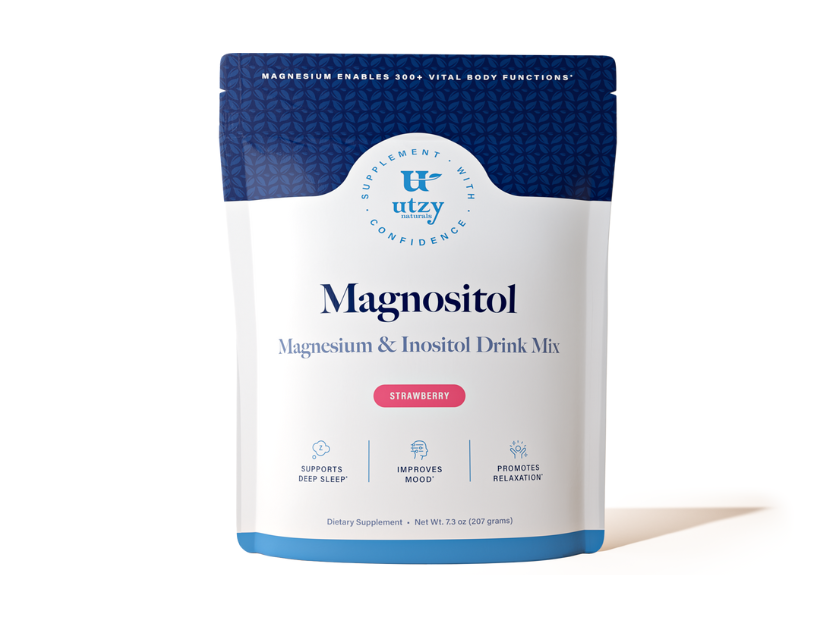
Magnesium is equally important. This mineral helps blood vessels relax and maintain normal muscle tone. Magnesium deficiency increases blood pressure. Most people don't consume adequate magnesium through diet, making supplementation valuable. Magnositol from Utzy Naturals provides magnesium and other minerals that work synergistically for blood pressure support.
Calcium also matters, particularly in balance with magnesium. A calcium-to-magnesium ratio of 2:1 is considered optimal for many body functions. Adequate intake of both, along with reduced sodium, supports healthy blood pressure.
Stress Management and Sleep: Foundational for Blood Pressure Control
Chronic stress elevates blood pressure through multiple mechanisms. Stress hormones like cortisol and epinephrine cause immediate blood vessel constriction and increased heart rate. Chronic stress impairs the parasympathetic nervous system's ability to promote relaxation, keeping the body in a constant state of activation.
Stress management through meditation, deep breathing, yoga, time in nature, or whatever practices bring you calm directly lowers blood pressure. Research shows that regular meditation practice reduces blood pressure as effectively as some medications. Even simple practices like five minutes of deep breathing daily help.
Sleep is equally critical. During sleep, blood pressure naturally decreases. Chronic sleep deprivation impairs this nighttime dip and increases overall blood pressure. Most people need 7-9 hours nightly. Magnesium supports sleep quality, making Magnositol and Fall Asleep valuable for those with sleep difficulties contributing to blood pressure issues.
Beyond amount, sleep quality matters. Avoiding screens before bed, maintaining a consistent sleep schedule, keeping the bedroom cool and dark, and avoiding caffeine in the afternoon all support quality sleep. For some, magnesium supplementation improves sleep quality, indirectly supporting blood pressure control.
Key Nutrients That Support Healthy Blood Pressure
Beyond magnesium and potassium, several nutrients specifically support blood pressure health. Omega-3 fatty acids (EPA and DHA) reduce blood pressure through anti-inflammatory effects and by supporting healthy cholesterol. Research shows that fish oil supplementation lowers both systolic and diastolic blood pressure, typically by 2-3 mmHg, which may seem small but is significant when combined with other interventions. Utzy Naturals' Omega-3 provides both EPA and DHA from quality fish sources.
Vitamin D supports blood pressure through multiple mechanisms, including calcium regulation and immune modulation. People with low vitamin D status often have higher blood pressure. Vitamin K2, found in K2+D3, activates matrix Gla protein, which prevents arterial calcification while promoting bone health. This represents a natural approach to supporting vascular health.
Beetroot, rich in nitrates, has been extensively studied for blood pressure support. When consumed as juice or supplemental powder, beetroot lowers blood pressure within hours through improved vascular function. Garlic, particularly aged garlic extract, has modest blood pressure-lowering effects. Coenzyme Q10 (CoQ10) supports cardiovascular health generally and has shown blood pressure benefits in research.
The approach at Utzy Naturals is to combine multiple evidence-supported nutrients into formulations designed to work synergistically, addressing multiple mechanisms of blood pressure regulation rather than relying on a single nutrient.
Weight Management and Metabolic Health
Excess body weight, particularly excess abdominal fat, is a major driver of hypertension. Weight loss of even 10% reduces blood pressure significantly. This is because excess weight increases insulin resistance, increases inflammation, impairs vascular function, and strains the cardiovascular system.
Weight management through a whole-food, plant-forward diet like DASH, combined with regular movement, is the most sustainable approach. Fad diets rarely lead to lasting weight loss, but lifestyle changes that prioritize whole foods, adequate movement, and stress management do.
Interestingly, the DASH diet supports weight loss naturally without calorie restriction because whole foods are more satiating than processed foods, leading to naturally lower calorie intake. Combined with exercise, this creates a powerful approach to weight loss that supports blood pressure reduction.
Building Your Comprehensive Blood Pressure Support Strategy
Blood pressure management requires a comprehensive approach addressing multiple factors simultaneously. Dietary changes—adopting DASH principles, reducing sodium, increasing potassium—provide the foundation. Regular exercise, both aerobic and resistance training, powerfully supports healthy blood pressure. Stress management and quality sleep are non-negotiable.
Layer targeted supplementation on this foundation. Omega-3 supports healthy inflammation and cardiovascular function. Magnositol provides minerals critical for vascular relaxation and heart health. K2+D3 supports bone and cardiovascular health. Together, these work synergistically to support blood pressure through multiple pathways.
The power of this approach is that it addresses root causes rather than just managing symptoms. Over months and years, consistent implementation can dramatically improve blood pressure without pharmaceutical intervention—or, for those on medications, can reduce dependence on them. Always discuss any changes with your healthcare provider.
Frequently Asked Questions
How quickly can lifestyle changes lower blood pressure?
Some changes have immediate effects. Stress reduction and adequate sleep can lower blood pressure within days. Dietary changes and exercise typically show measurable improvements within 2-4 weeks. For those significantly overweight, weight loss requires more time but shows substantial benefits as it accumulates. Consistency matters more than perfection.
Can supplements replace blood pressure medications?
Supplements can support healthy blood pressure but shouldn't replace prescribed medications without medical supervision. For some people, aggressive lifestyle and supplementation changes reduce medication dependence, but this requires working with your healthcare provider. Never stop medications without medical guidance.
How much sodium is too much?
Current recommendations are less than 2300 mg daily. Some organizations recommend even lower (1500 mg) for those with hypertension or high risk. Most people consume 3000-4000 mg. Reducing to recommended levels helps most people's blood pressure. Ultra-processed foods are the main culprit, so minimizing these is the key.
Does alcohol affect blood pressure?
Yes, excess alcohol increases blood pressure. Moderate intake (up to one drink daily for women, two for men) may have neutral or mild beneficial effects. Excessive consumption clearly raises blood pressure. Limiting alcohol is part of comprehensive blood pressure management.
How often should I check my blood pressure?
Regular monitoring helps track progress. For those making lifestyle changes, checking monthly provides useful feedback. Taking multiple readings at different times of day helps identify patterns. Those on medications should check as recommended by their healthcare provider.
Is caffeine a problem for blood pressure?
Caffeine temporarily raises blood pressure but chronic effects are minimal for most people. However, some are caffeine-sensitive and show sustained elevation. If you're managing blood pressure, experimenting with caffeine reduction helps determine if it affects you individually. Afternoon caffeine can impair sleep, indirectly affecting blood pressure.
Can weight loss alone normalize blood pressure?
For some people, particularly those with excess weight driving their hypertension, significant weight loss can normalize blood pressure. However, for others, additional interventions (dietary changes, exercise, supplementation) are needed even with weight loss. A comprehensive approach is most reliable.
What's the role of potassium in blood pressure?
Potassium supports blood vessel relaxation and helps the kidneys excrete sodium. Higher potassium intake is associated with lower blood pressure. The potassium-to-sodium ratio is particularly important. Vegetables, legumes, fruits, and whole grains are excellent potassium sources. Most people benefit from increased potassium intake.
*These statements have not been evaluated by the FDA. This product is not intended to diagnose, treat, cure, or prevent any disease.*