The Migraine Prevention Stack: Magnesium, Riboflavin, and CoQ10
April 02, 20252 min read
Magnesium, riboflavin (B2), and CoQ10 are all included in evidence-based migraine prevention guidelines from the American Academy of Neurology and the American Headache Society — each addressing a different aspect of migraine pathophysiology.
Magnesium: The Foundation
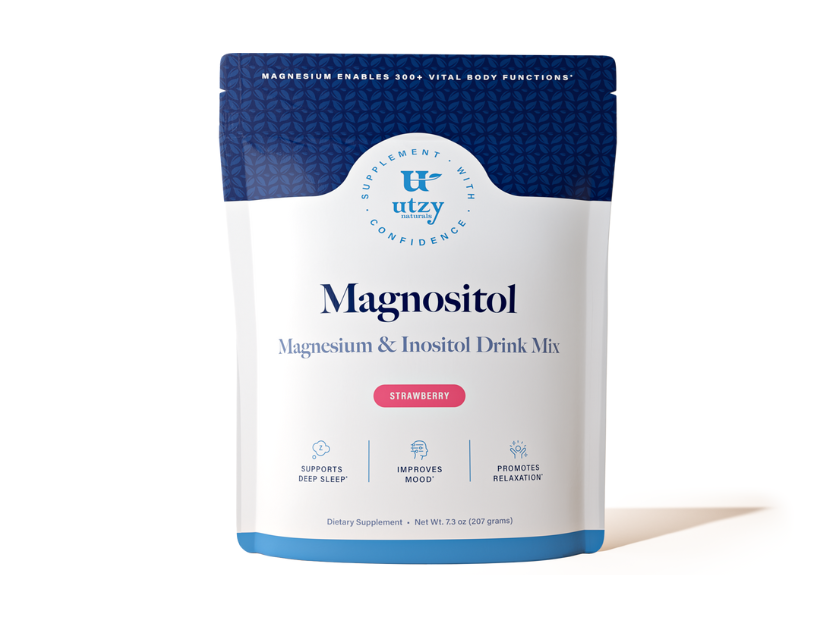
Approximately 50% of migraine sufferers have documented magnesium deficiency, and magnesium levels drop further during migraine attacks. Magnesium modulates cortical spreading depression (the wave of neuronal depolarization thought to initiate migraine aura), regulates NMDA receptor activity (preventing the excitotoxicity implicated in migraine pain), supports serotonin receptor function, and relaxes vascular smooth muscle (counteracting the vasoconstriction phase of migraine). Clinical trials using 400-600mg of elemental magnesium daily (as oxide, citrate, or glycinate) show 40-50% reduction in migraine frequency over 12 weeks. Magnositol provides magnesium glycinate — the best-tolerated form for daily prevention.
Riboflavin (B2): Mitochondrial Energy
Migraine brains show impaired mitochondrial energy metabolism — reduced ATP production in cortical neurons. Riboflavin at 400mg daily supports FAD-dependent mitochondrial enzyme complexes I and II, improving neuronal energy production. A landmark trial in Neurology found 400mg riboflavin daily reduced migraine frequency by 50% after 3 months, with a number needed to treat (NNT) of 2.3 — meaning fewer than 3 patients need to be treated for 1 to benefit. Vitamin B Complex includes riboflavin alongside the full B spectrum.
CoQ10: Mitochondrial Support
CoQ10 directly participates in mitochondrial electron transport — the same pathway that riboflavin supports from a different angle. A randomized trial found CoQ10 at 100mg three times daily reduced migraine frequency by 47% compared to 14% in the placebo group. CoQ10 also reduces the inflammatory markers (CGRP, TNF-alpha) that are elevated during migraine attacks.
Building the Prevention Stack
The three nutrients address migraine pathophysiology from complementary angles: magnesium (neuronal excitability and vascular tone), riboflavin (mitochondrial Complex I/II), and CoQ10 (mitochondrial Complex III and antioxidant defense). This multi-target approach is why the combination often outperforms any single nutrient. Add consistent sleep timing, regular meals (blood sugar crashes trigger migraines), stress management, and trigger avoidance for a comprehensive prevention protocol.
Migraine prevention supplements require 8-12 weeks of consistent daily use to reach full effect. Magnesium may show benefit sooner (4-6 weeks). Don't evaluate effectiveness based on the first month — give the full 3-month trial before concluding they aren't working.
Can these replace migraine medications?
For some people with mild-to-moderate episodic migraine, the supplement stack may reduce frequency enough to avoid or reduce preventive medication. For severe or chronic migraine, they work best as adjuncts to medical treatment. Discuss any medication changes with your neurologist.
Which magnesium form is best for migraines?
The AAN guidelines cite magnesium oxide at 400-600mg daily (the form used in most trials). However, magnesium glycinate offers better absorption and tolerability with fewer GI side effects. Some practitioners prefer glycinate for daily prevention and recommend keeping oxide as an option for acute migraine episodes.
*These statements have not been evaluated by the Food and Drug Administration. This product is not intended to diagnose, treat, cure, or prevent any disease.