The ADHD-Nutrient Connection: What the Research Shows
July 22, 20252 min read
ADHD symptoms overlap significantly with nutrient deficiencies — particularly omega-3 DHA, iron, zinc, magnesium, and vitamin D — and meta-analyses show supplementation improves attention and reduces hyperactivity in both children and adults with ADHD.
The Nutrient-ADHD Connection
Multiple meta-analyses demonstrate that children and adults with ADHD have significantly lower blood levels of omega-3 DHA, iron (ferritin), zinc, magnesium, and vitamin D compared to neurotypical controls. These aren't coincidental — each nutrient directly participates in the neurotransmitter systems (dopamine, norepinephrine, serotonin) and neural circuit functions (prefrontal cortex executive function, default mode network regulation) that are disrupted in ADHD.
Evidence-Based Nutritional Support
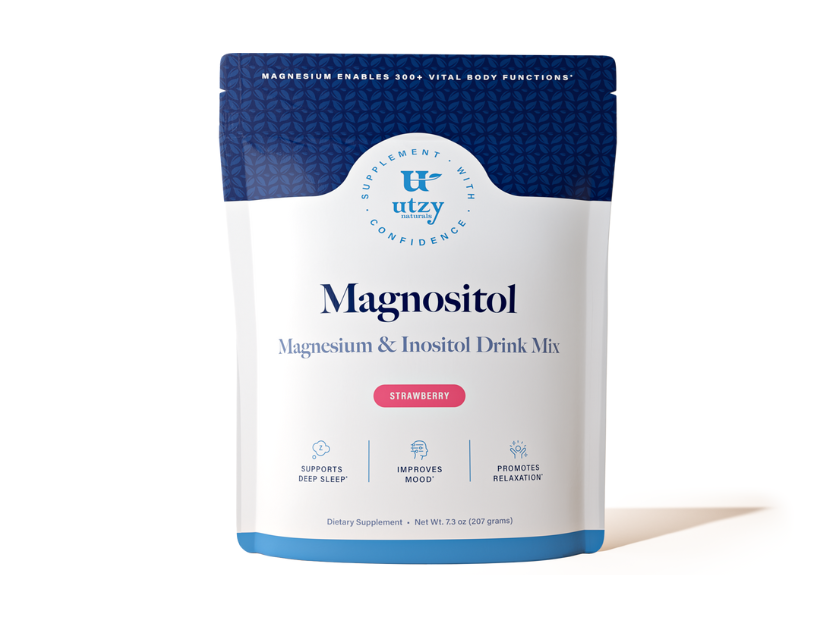
Omega-3 DHA: DHA comprises 97% of the omega-3 fatty acids in the brain and is critical for dopamine receptor function in the prefrontal cortex. Meta-analyses of RCTs show omega-3 supplementation (500-2,000mg combined EPA+DHA) produces small but significant improvements in inattention and hyperactivity scores. Omega-3 Fish Oil. Iron: Required for dopamine synthesis (cofactor for tyrosine hydroxylase). Ferritin below 20-30 in ADHD patients is associated with worse symptom severity. Iron supplementation improves symptoms in iron-deficient ADHD patients comparably to stimulant medication in some studies. Magnesium: Deficiency is common in ADHD and contributes to hyperexcitability and poor sleep (which worsens ADHD). Magnositol supports both GABA-mediated calming and sleep quality. Zinc: Cofactor for dopamine metabolism and modulates the melatonin pathway affecting sleep-wake regulation. Zinc supplementation as adjunct to stimulant medication enhances efficacy in some trials.
For mild ADHD symptoms, optimizing nutrient status (particularly omega-3, iron, and zinc) may be sufficient. For moderate-to-severe ADHD, supplements work best as adjuncts that enhance medication efficacy and potentially allow lower doses. Discuss any medication changes with your prescriber.
Which supplement should I try first for ADHD?
Start with omega-3 (the strongest evidence base) and check ferritin levels (iron deficiency is the most commonly overlooked correctable contributor). Add magnesium for sleep and calming effects. This addresses the most impactful nutritional gaps with the strongest ADHD evidence.
*These statements have not been evaluated by the Food and Drug Administration. This product is not intended to diagnose, treat, cure, or prevent any disease.