Supplement Timing: When to Take What for Maximum Benefit
November 28, 20253 min read
Supplement timing affects absorption and efficacy — fat-soluble vitamins (A, D, E, K) require dietary fat for absorption, certain minerals compete for transporters when taken simultaneously, and some nutrients are better utilized morning vs evening based on circadian biology.
Morning Supplements
B vitamins: Support energy metabolism and can be mildly stimulating — evening dosing may interfere with sleep. Take with breakfast. Vitamin D: Morning dosing aligns with natural cortisol rhythm and may support circadian regulation. Take with a meal containing fat for absorption. CoQ10: Fat-soluble, energy-supporting — morning with a fat-containing meal. Iron (if needed): Absorbs best on an empty stomach or with vitamin C. Avoid taking with calcium, zinc, or tea/coffee.
With Meals (Any Time)
Fat-soluble vitamins (D, E, K, A): Require dietary fat — take with meals containing at least 10–15g of fat. Omega-3 fish oil: Better absorbed with a fat-containing meal. Some people tolerate it better in divided doses. Curcumin: Fat-soluble, enhanced by piperine or lipid carriers — take with food.
Evening/Before Bed
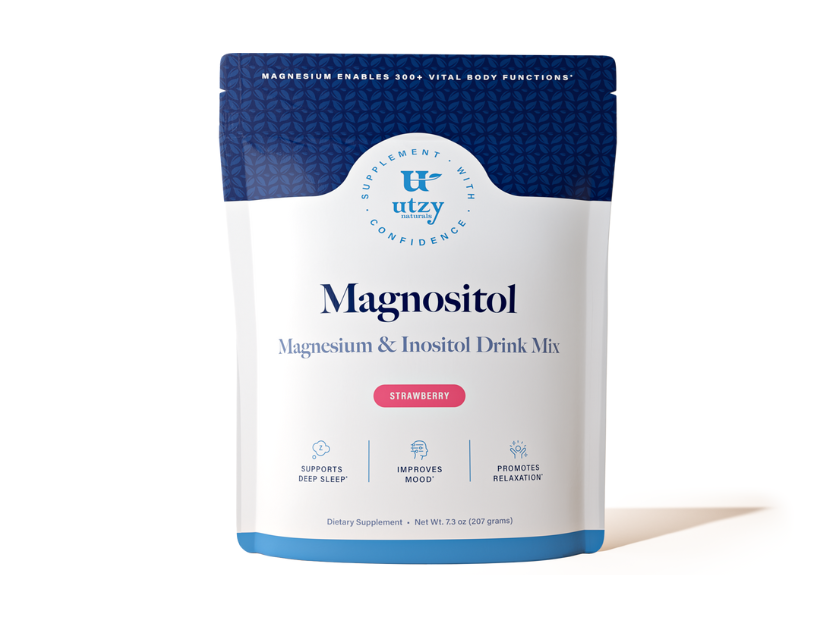
Magnesium: Calming effects support sleep onset — glycinate form is preferred for evening dosing. Adaptogens (ashwagandha): Can be taken morning or evening. Evening dosing may support cortisol normalization overnight. Melatonin (if used): 30–60 minutes before desired sleep time.
Separation Rules
Calcium and iron compete for absorption — separate by 2 hours. Zinc and copper compete — separate by 2 hours. Iron and tea/coffee — the tannins and polyphenols reduce iron absorption by up to 60%. Fiber supplements can reduce absorption of medications and other supplements if taken simultaneously.
The Science Behind Timing
Nutrient timing matters because of three physiological realities. Absorption competition: Minerals like iron, zinc, calcium, and copper share intestinal transporters (divalent metal transporter 1, or DMT1). When present simultaneously in the gut lumen, they compete for uptake — reducing the absorption of each. Separating competing minerals by 2 hours allows sequential rather than competitive absorption. Solubility requirements: Fat-soluble nutrients (vitamins D, E, K, A, CoQ10, curcumin, omega-3s) require bile salt emulsification for absorption. Without dietary fat to stimulate bile release, these nutrients pass through poorly absorbed. Taking them with a fat-containing meal (at least 10-15g of fat) can increase absorption 4-10x compared to taking them on an empty stomach. Circadian optimization: Some nutrients interact with your body's 24-hour clock. B vitamins and CoQ10 support daytime energy metabolism and may mildly interfere with sleep if taken late. Magnesium supports GABA-mediated relaxation and is optimally timed before bed. Vitamin D taken in the morning may support healthy circadian cortisol patterns, though the evidence for this timing preference is preliminary.
Common Timing Mistakes
Taking iron with morning coffee (tannins reduce iron absorption by up to 60%). Taking calcium and iron at the same time (direct absorption competition). Taking fat-soluble vitamins on an empty stomach (minimal bile release, poor absorption). Taking B vitamins before bed (potential sleep interference from mild stimulatory effects). Taking magnesium citrate in the morning (the laxative effect is inconvenient during the workday — save citrate for evening if using this form).
Frequently Asked Questions
Does timing really make a measurable difference?
For most supplements, the difference between optimal and suboptimal timing is modest — consistent daily intake matters more than perfect timing. The exceptions: fat-soluble nutrients truly do require dietary fat, iron-calcium competition is meaningful, and stimulating supplements (B vitamins, CoQ10) genuinely can disrupt sleep if taken late.
*These statements have not been evaluated by the Food and Drug Administration. This product is not intended to diagnose, treat, cure, or prevent any disease.