Recovery Days: What Your Body Needs When You're Not Training
September 02, 20252 min read
Recovery days are when adaptation actually occurs — your body builds muscle, repairs connective tissue, replenishes glycogen, and consolidates motor learning during rest, not during exercise. Active recovery and targeted nutrition accelerate this process.
What Happens During Recovery
Exercise creates the stimulus; recovery creates the adaptation. During rest, muscle protein synthesis peaks at 24-48 hours post-exercise (requiring adequate protein and amino acids). Glycogen resynthesis occurs over 24-48 hours (requiring carbohydrates). Connective tissue repair begins within hours and continues for days (requiring collagen precursors and vitamin C). Inflammatory markers peak 24-48 hours post-exercise and resolve over 48-72 hours (requiring anti-inflammatory nutrients). Growth hormone and testosterone — released during sleep — drive the anabolic response. Disrupting any of these processes with inadequate nutrition, poor sleep, or too-frequent training limits adaptation.
Recovery Nutrition Stack
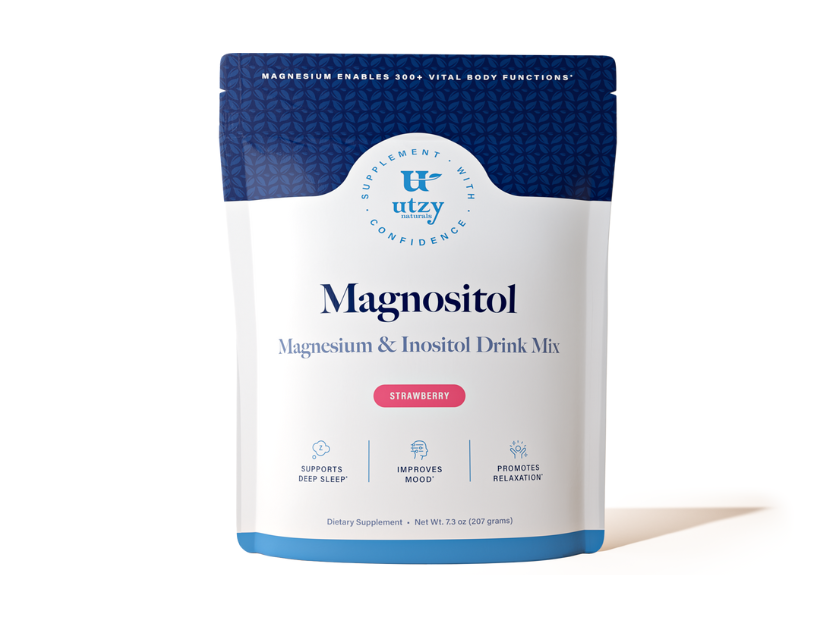
Magnesium: Supports muscle relaxation, reduces DOMS severity, and enhances the deep sleep where GH and testosterone production peaks. Magnositol on recovery days is as important as training days. Omega-3: Resolves exercise-induced inflammation without blocking the adaptive inflammatory signal (unlike NSAIDs, which impair muscle adaptation). Omega-3 Fish Oil. Protein: 30-40g per meal on recovery days maintains elevated muscle protein synthesis. Sleep: The most powerful recovery tool. 7-9 hours of quality sleep provides the hormonal environment for tissue repair. Use the Sleep Bundle if recovery-day sleep quality is an issue.
Should I take anti-inflammatories on recovery days?
NSAIDs (ibuprofen, naproxen) reduce pain but also impair the adaptive inflammatory response that drives muscle growth, tendon strengthening, and bone remodeling. Reserve NSAIDs for acute injuries; use omega-3 and curcumin for daily anti-inflammatory support that resolves inflammation without blocking adaptation.
How many recovery days do I need per week?
Most adults benefit from 2-3 recovery days per week between intense training sessions. Recovery capacity decreases with age — adults over 40 typically need 48-72 hours between training the same muscle group, compared to 24-48 hours for younger athletes.
*These statements have not been evaluated by the Food and Drug Administration. This product is not intended to diagnose, treat, cure, or prevent any disease.