Passionflower, Lemon Balm, and Skullcap: Calming Herbs for Better Sleep
January 02, 20266 min read
Women's nutritional needs change across life stages. From adolescence through reproductive years, perimenopause, menopause, and beyond, hormonal changes create unique health requirements. Understanding these needs and addressing them proactively prevents deficiencies and supports vibrant health throughout life. Utzy Naturals recognizes these shifting needs and formulates products like Essentially-U, Magnositol, Omega-3, and K2+D3 to provide comprehensive support for women's health across all life stages.
Understanding Hormonal Health and Nutrition
Hormones profoundly affect women's health. Estrogen and progesterone regulate far more than reproduction—they affect bone density, cardiovascular health, mood, cognitive function, sleep, and metabolism. The balance and decline of these hormones across life stages creates shifting nutritional needs.
Nutritional support for hormonal health involves supporting your liver's ability to process hormones, supporting neurotransmitter production, maintaining nutrient cofactors for hormone synthesis, and managing inflammation that can disrupt hormonal balance.
Key nutrients for hormonal health include B vitamins (B6, folate, B12) which are essential for hormone metabolism; magnesium which is depleted by stress and needed for hormone synthesis; vitamin D which regulates hundreds of genes including hormone-related genes; omega-3 fatty acids which support anti-inflammatory balance; and various minerals and antioxidants that protect hormone-producing glands.
Adolescence and Early Adulthood: Building Bone and Establishing Health
Adolescent years are critical for bone development. About 90% of peak bone mass is achieved by age 20. This means adequate calcium, magnesium, vitamin D, and vitamin K2 are essential during these years. Deficiencies in adolescence predict bone health problems decades later.
Iron requirements increase significantly at menarche due to menstrual losses. The recommended iron intake jumps from 8 mg before menarche to 15 mg after. Many adolescent girls are iron deficient, which impairs energy, cognitive function, and immune function. Red meat, legumes, and fortified grains provide iron, though absorption varies based on dietary factors.
Establishing healthy nutrition patterns in adolescence sets the foundation for life. Regular consumption of whole foods, including adequate protein, whole grains, fruits, vegetables, and healthy fats supports healthy development. Early adoption of self-care behaviors like exercise, sleep, and stress management supports long-term wellness.
Reproductive Years: Supporting Hormonal Balance and Fertility
During reproductive years, maintaining hormonal balance is key. Regular cycles depend on adequate nutrition. Copper, zinc, and B vitamins are essential for hormone production. Adequate iodine supports thyroid function, which regulates metabolism and affects ovulation. Selenium and vitamin E protect reproductive tissues from oxidative damage.
For women seeking pregnancy, additional nutritional support is important. Folate is critical for neural tube development in the fetus and should be adequate before conception. Iron stores need to be replenished during pregnancy. Omega-3 fatty acids, particularly DHA, are essential for fetal brain development. Adequate protein ensures proper placental development.
Women experiencing hormonal symptoms like painful periods, heavy bleeding, or mood changes related to cycles may benefit from specific nutritional support. Magnesium reduces menstrual cramping and mood symptoms. Omega-3 fatty acids reduce inflammatory prostaglandins that cause cramping. Adequate iron prevents anemia related to heavy bleeding.
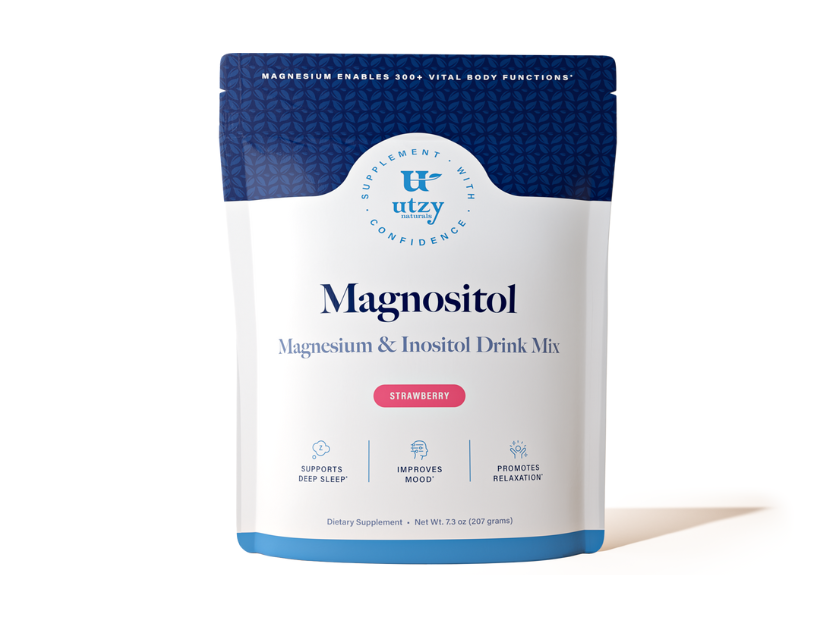
Utzy Naturals' Essentially-U provides comprehensive micronutrient support for women during reproductive years. Combined with Magnositol for mineral support and Omega-3 for anti-inflammatory support, this provides solid nutritional foundation.
Prenatal Nutrition: Supporting Mother and Baby
Pregnancy dramatically increases nutrient needs. Caloric needs increase by 300 calories daily in the second and third trimester. Protein needs increase from 46 grams to 71 grams daily. Iron needs more than double to support increased blood volume. Calcium needs remain the same (1000-1300 mg), but many pregnant women don't consume enough.
Folate supplementation (400-800 mcg) is essential throughout pregnancy to prevent neural tube defects. Iron supplementation is typically recommended to maintain adequate stores and prevent anemia. Calcium and magnesium support bone development of the fetus and maintain maternal bone health. Omega-3 DHA supports fetal brain and eye development.
Vitamin D becomes even more important during pregnancy, as it supports calcium absorption and the developing baby's immune system. Many pregnant women need supplementation to maintain adequate levels. Iodine supports fetal thyroid and brain development.
After birth, if breastfeeding, nutrient needs remain elevated. Breastfeeding depletes maternal nutrient stores, particularly iron and calcium. Continued supplementation and nutrient-dense nutrition support both mother and infant health.
Perimenopause and Menopause: Supporting the Transition
Perimenopause, the years leading to menopause, brings significant changes. Fluctuating estrogen levels create symptoms like hot flashes, mood changes, sleep disruption, and vaginal dryness. These symptoms are temporary but can be intense. Nutritional support can ease the transition.
Magnesium reduces hot flashes, supports mood, and improves sleep quality. This is why Magnositol is particularly valuable during perimenopause. Omega-3 fatty acids reduce inflammation and support mood and cognitive function. Vitamin D supports mood and bone health during this critical period.
After menopause, bone loss accelerates significantly due to declining estrogen. Adequate calcium, magnesium, vitamin D, and vitamin K2 become critical. Weight-bearing exercise becomes essential. K2+D3 from Utzy Naturals provides the vitamins most critical for maintaining bone density after menopause.
Cardiovascular health requires attention during and after menopause. Estrogen decline increases cardiovascular disease risk. Omega-3 supplementation supports healthy cholesterol and blood pressure. Regular exercise protects cardiovascular health. Maintaining a healthy weight reduces cardiovascular risk.
Iron Status and Adrenal Health for Women
Iron deficiency is common in menstruating women and impacts energy, cognitive function, mood, and immune function. Beyond iron from food, many women benefit from iron supplementation, particularly if menstrual bleeding is heavy. However, iron status should be tested before supplementing, as excess iron can be harmful.
Adrenal health is particularly important for women. The adrenal glands produce cortisol and other hormones that respond to stress. Chronic stress depletes adrenal function, leading to fatigue, mood changes, and reduced resilience. Supporting adrenal health through stress management, adequate sleep, and proper nutrition is essential.
Magnesium is essential for adrenal health. Stress depletes magnesium, and magnesium is needed for stress hormone production and regulation. This creates a cycle where deficiency worsens stress response. Supplementing magnesium supports adrenal resilience. B vitamins also support adrenal function and stress response.
Sleep is fundamental to adrenal recovery. Most adrenal recovery happens during sleep, particularly deep sleep. Prioritizing 7-9 hours of quality sleep is as important as supplementation for adrenal health.
Building Your Comprehensive Women's Health Strategy
A comprehensive approach to women's health addresses multiple domains. Nutrition forms the foundation—whole foods, adequate protein, abundant plants, healthy fats, and minimal processed foods. Movement, both cardiovascular and strength training, supports cardiovascular and bone health. Sleep, at least 7-9 hours nightly, supports hormonal balance and recovery.
Stress management through whatever practices bring you peace—meditation, yoga, time in nature, creative pursuits—supports hormonal health and adrenal function. Building and maintaining close relationships, having a sense of purpose, and engaging in activities that bring joy contribute to both mental and physical health.
Targeted supplementation addresses nutritional gaps. Essentially-U provides comprehensive micronutrient support. Magnositol provides magnesium and other minerals critical for women's health. Omega-3 supports anti-inflammatory health and brain function. K2+D3 supports bone and cardiovascular health. Together, these support women's health across all life stages.
Frequently Asked Questions
How much iron do women need?
Women aged 19-50 need 18 mg of iron daily. This increases during pregnancy to 27 mg and is optional for women over 50 as menstrual loss ceases. Individual needs vary based on menstrual flow, diet, and absorption. Testing iron status through ferritin levels helps determine if supplementation is needed.
Is magnesium really helpful for menstrual symptoms?
Yes, research shows magnesium reduces menstrual cramping and mood symptoms. Taking magnesium glycinate from several days before menstruation through the first few days helps many women. Magnesium relaxes smooth muscle and regulates neurotransmitters involved in mood.
Can supplements help with perimenopause symptoms?
Yes, targeted supplementation can help ease perimenopause symptoms. Magnesium reduces hot flashes, mood symptoms, and sleep disruption. Omega-3 reduces inflammation and supports mood. Vitamin D supports mood and bone health. These work best combined with lifestyle factors like exercise, sleep, and stress management.
How important is bone health during reproductive years?
Very important. Peak bone mass is achieved in the 20s and 30s. Building strong bones during reproductive years provides a buffer against bone loss later. Adequate calcium, magnesium, vitamin D, vitamin K2, and regular weight-bearing exercise are essential. The investment pays off for decades.
Do pregnant women need prenatal vitamins?
Yes, prenatal vitamins are important insurance that pregnancy nutrient needs are met. While a great diet provides most nutrients, prenatal vitamins ensure adequate folate, iron, and other critical nutrients. This is best discussed with your healthcare provider, but supplementation is generally recommended.
Can certain foods or supplements help hot flashes?
Magnesium, omega-3 fatty acids, and adequate vitamin D all help reduce hot flash frequency and intensity. Limiting caffeine and alcohol can also help. Weight-bearing exercise and strength training reduce symptoms. A comprehensive approach combining nutrition, supplements, exercise, and stress management is most effective.
Is it safe to supplement while breastfeeding?
Most supplements are safe while breastfeeding, though it's important to discuss with your healthcare provider. Omega-3 supplementation is beneficial as it passes benefits to nursing infants. Magnesium, vitamins, and minerals are safe at typical doses. Avoid anything untested for nursing.
What about women over 50 and bone health?
Bone loss accelerates after menopause. Adequate calcium (1200 mg), vitamin D (600-800 IU minimum, often more is beneficial), vitamin K2, and magnesium are essential. Weight-bearing exercise is the most powerful intervention. Discussion with a healthcare provider about bone density screening is wise.
*These statements have not been evaluated by the FDA. This product is not intended to diagnose, treat, cure, or prevent any disease.*