Magnesium L-Threonate vs Magnesium Glycinate for Brain Health
November 03, 20253 min read
Magnesium L-threonate (as Magtein®) is the only magnesium form clinically shown to significantly increase brain magnesium levels by crossing the blood-brain barrier more efficiently than other forms — while magnesium glycinate excels at systemic nervous system calming, sleep support, and muscle relaxation.
The Blood-Brain Barrier Challenge
The brain maintains tight control over what enters through the blood-brain barrier (BBB). Most magnesium forms — including glycinate, citrate, oxide, and taurate — raise serum and tissue magnesium effectively but increase brain magnesium only modestly. Magnesium L-threonate was specifically engineered to address this: the threonic acid carrier facilitates transport across the BBB through specific transport mechanisms, resulting in measurably higher cerebrospinal fluid magnesium levels compared to other forms.
What L-Threonate Research Shows
A 2010 study in Neuron (from MIT researchers) demonstrated that magnesium L-threonate increased brain magnesium levels by 15% in animal models — significantly more than other forms tested. The functional result: enhanced synaptic plasticity (the basis of learning and memory), increased synaptic density in the prefrontal cortex and hippocampus, and improved performance on short-term and long-term memory tasks.
A 2016 human clinical trial in the Journal of Alzheimer's Disease found that magnesium L-threonate supplementation improved cognitive performance in adults aged 50–70 — particularly executive function and working memory. The magnitude of improvement reversed cognitive age by approximately 9 years on standardized testing.
When to Choose Each Form
Choose L-threonate if: Your primary goal is cognitive function — memory, learning, focus, neuroprotection. It's the evidence-based choice for brain-specific magnesium delivery. Choose glycinate if: Your goals include sleep support, anxiety reduction, muscle relaxation, general magnesium repletion, or calming nervous system effects. Glycinate is better studied for these applications and provides a meaningful dose of glycine (an inhibitory neurotransmitter and glutathione precursor).
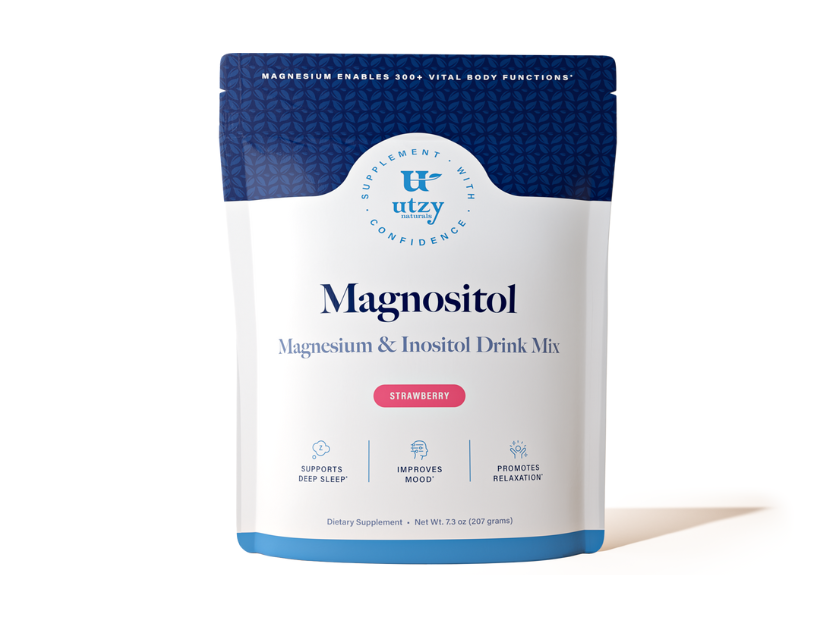
Can you take both? Yes — they serve complementary purposes through different mechanisms. Total elemental magnesium across all forms should stay below 400–500mg daily to avoid GI effects. Magnositol provides magnesium glycinate paired with inositol for comprehensive nervous system and metabolic support.
The Synaptic Density Evidence
The most compelling evidence for magnesium L-threonate comes from the synaptic density data. The MIT research demonstrated that increasing brain magnesium with L-threonate increased synaptic density (the number of functional connections between neurons) in the hippocampus and prefrontal cortex — the two brain regions most critical for memory and executive function, and the two most vulnerable to age-related decline.
The proposed mechanism: magnesium modulates NMDA receptor activity. At physiological levels, magnesium sits in the NMDA receptor channel, blocking it at resting membrane potential (preventing excessive calcium influx and excitotoxicity). When a learning signal arrives, depolarization relieves the magnesium block, allowing precisely timed calcium entry that triggers synaptic strengthening. When brain magnesium is too low, NMDA channels are partially unblocked at rest — creating background "noise" that impairs both learning efficiency and neuronal health through low-level excitotoxicity.
L-threonate's advantage over other magnesium forms for this specific application isn't about total body magnesium (glycinate does that well) — it's about achieving higher concentrations in the cerebrospinal fluid and brain interstitial space where NMDA receptor modulation occurs.
Practical Combined Protocol
Many practitioners recommend a split-form magnesium strategy: magnesium L-threonate (144mg elemental magnesium, typically as 2,000mg Magtein) during the day for cognitive support, and magnesium glycinate (200-300mg elemental) before bed for sleep and systemic calming. This leverages each form's specific strengths while keeping total daily magnesium within safe ranges. The L-threonate supports brain function during waking hours; the glycinate supports the deep sleep that consolidates daytime learning.
Frequently Asked Questions
Does L-threonate help with anxiety?
The brain magnesium increase from L-threonate may indirectly support anxiety through enhanced prefrontal cortex function and GABA signaling. However, for acute calming effects, glycinate's systemic GABA support and muscle relaxation are more directly relevant.
Is L-threonate expensive compared to glycinate?
Yes — the Magtein® patent and specialized production make L-threonate significantly more expensive per serving. For most people without specific cognitive concerns, glycinate provides excellent magnesium supplementation at a lower cost. L-threonate is worth the premium specifically for cognitive goals.
*These statements have not been evaluated by the Food and Drug Administration. This product is not intended to diagnose, treat, cure, or prevent any disease.