Magnesium for Women: Supporting Hormonal Balance, Comfort, and Wellness Across Life Stages
January 29, 20266 min read
Women have unique nutritional needs that shift throughout different life stages. Magnesium plays a particularly crucial role for women's health, yet women statistically consume less magnesium than recommended levels. From supporting hormonal balance during the menstrual cycle to maintaining bone density and managing stress, magnesium is fundamental to women's wellness. This guide explores why magnesium is essential for women and how it supports health across every stage of life.
Why Women Have Unique Magnesium Needs
Women's magnesium requirements are distinct from men's, starting with lower recommended daily intake (310-320 mg for women vs. 400-420 mg for men). However, women's actual magnesium needs may be significantly higher due to hormonal fluctuations. Estrogen and progesterone both influence magnesium metabolism and storage. Additionally, women tend to experience higher stress levels on average and are more prone to conditions like migraines and anxiety—both of which are linked to magnesium status.
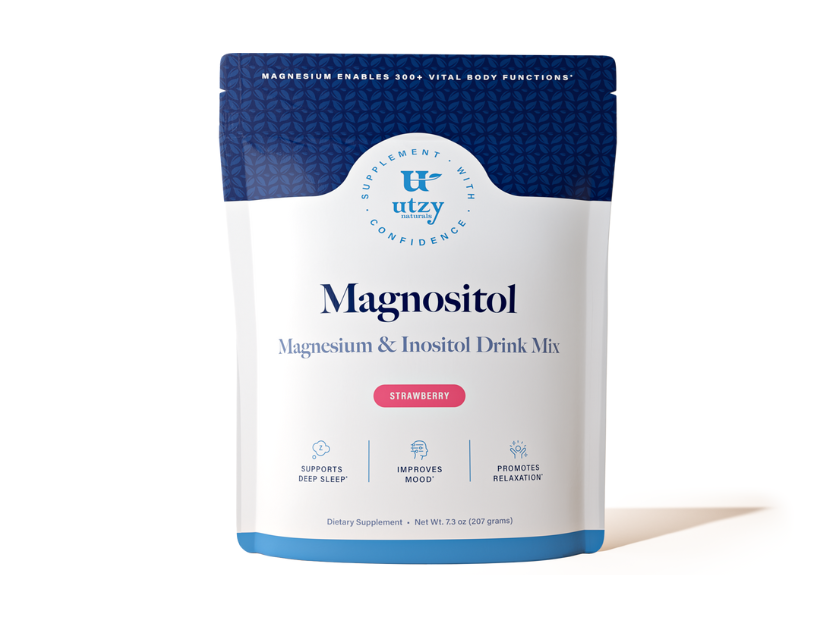
Research published in the NIH National Library of Medicine indicates that magnesium plays a critical regulatory role in estrogen metabolism. Furthermore, women are more likely to experience magnesium-responsive conditions like menstrual discomfort, mood changes, and migraines. Understanding these unique needs is essential for optimizing health. Utzy Naturals specifically recognizes women's distinct nutritional requirements through products like Magnositol, which combines magnesium with inositol for comprehensive women's support.
Magnesium and Premenstrual Syndrome (PMS)
Premenstrual syndrome affects a significant percentage of women of reproductive age. Symptoms range from mood changes and irritability to bloating, fatigue, and food cravings. Research demonstrates a strong correlation between low magnesium and PMS severity. During the luteal phase of the menstrual cycle (after ovulation), magnesium needs increase and available magnesium decreases, creating a critical window when deficiency symptoms emerge.
Multiple studies show that women who supplement with magnesium experience significant reduction in PMS symptoms, particularly mood-related symptoms and water retention. Magnesium works by regulating serotonin, reducing inflammation, and supporting the nervous system during this hormonally sensitive phase. Many women report that consistent magnesium supplementation transforms their monthly experience from one of distress to manageable comfort.
Magnesium for Menstrual Comfort and Flow Support
Beyond PMS, magnesium directly supports menstrual comfort. Magnesium is essential for proper muscle function, and the uterus relies on smooth muscle contractions for healthy menstrual flow. Adequate magnesium supports these natural processes and may help reduce cramps and discomfort. Additionally, magnesium helps regulate prostaglandins—hormone-like substances that influence menstrual cramping intensity.
Women with low magnesium often experience intensified menstrual cramps and heavier bleeding. Conversely, supplementing with magnesium supports more comfortable menstruation. Many women find that starting magnesium supplementation in the weeks before their period and continuing through menstruation provides the most noticeable comfort benefits.
Hormonal Balance and Estrogen Metabolism
Magnesium plays an often-overlooked role in estrogen metabolism and clearance. The body needs magnesium to properly process and eliminate excess estrogen through the liver and gut. When magnesium is insufficient, estrogen can be reabsorbed, leading to estrogen dominance—a state associated with heavy periods, mood swings, breast tenderness, and fibroid development.
Supporting healthy magnesium status helps maintain proper estrogen metabolism and balance. This is particularly important for women taking hormonal contraceptives, which can deplete magnesium stores, creating a compounding deficiency. Women on oral contraceptives often benefit significantly from magnesium supplementation to offset this depletion.
PCOS and the Magnesium-Inositol Connection
Polycystic ovary syndrome (PCOS) is a common endocrine condition affecting women of reproductive age. PCOS is characterized by insulin resistance, irregular periods, and hormonal imbalance. Research demonstrates that both magnesium and inositol (specifically myo-inositol) support healthy metabolic function and glucose management—both critical for PCOS management.
Studies show that combining magnesium and inositol provides synergistic benefits for PCOS management, supporting healthy ovulation, regular cycles, and improved metabolic health. This complementary approach addresses multiple aspects of PCOS physiology. Magnositol from Utzy Naturals combines both of these nutrients specifically to support women with PCOS and related metabolic health concerns.
Magnesium During Pregnancy
During pregnancy, magnesium requirements increase to 350-360 mg daily for pregnant women. Magnesium is essential for fetal development, supporting proper cell division, protein synthesis, and nervous system development. Additionally, adequate maternal magnesium supports healthy blood pressure during pregnancy and may reduce the risk of preeclampsia.
Pregnant women are particularly vulnerable to magnesium deficiency due to increased requirements and potential malabsorption related to pregnancy hormones. Many women experience increased leg cramps during pregnancy—a classic sign of magnesium deficiency. Discussing magnesium supplementation with your healthcare provider during pregnancy is important, as adequate intake supports both maternal and fetal health.
Magnesium for Perimenopause and Menopause
The perimenopause and menopause transitions bring dramatic hormonal shifts that create vulnerability to magnesium deficiency. Declining estrogen affects magnesium absorption and regulation, while symptoms of these life stages—hot flashes, night sweats, sleep disruption, mood changes, and migraines—are all exacerbated by low magnesium.
Women transitioning through menopause often find that magnesium supplementation significantly improves sleep quality, reduces hot flash intensity, stabilizes mood, and decreases migraine frequency. Magnesium also plays a crucial role in bone health during menopause, when accelerated bone loss occurs due to declining estrogen. Many women approaching or experiencing menopause find that magnesium is one of the most valuable supplements for supporting this transition.
Bone Density and Osteoporosis Prevention
Women face significantly higher risk for osteoporosis, particularly after menopause when estrogen levels decline. While calcium receives much attention for bone health, magnesium is equally critical. Approximately 50-60% of magnesium in the body is stored in bones, where it supports bone structure and mineralization. Adequate magnesium is necessary for calcium absorption and bone metabolism.
Research in the American Journal of Clinical Nutrition shows that women with higher magnesium intake have greater bone density and lower fracture risk. Paradoxically, taking high-dose calcium supplements without adequate magnesium can impair bone health by interfering with magnesium absorption. A balanced approach combining both minerals with proper ratios is essential for bone health throughout women's lives.
Magnesium, Stress, and Cortisol Management
Women report higher average stress levels than men, and this chronic stress significantly depletes magnesium stores. Stress activates the fight-or-flight response, which increases magnesium urinary loss. This creates a vicious cycle where stress depletes magnesium, and low magnesium increases the body's stress response sensitivity, making further stress harder to manage.
Adequate magnesium is essential for regulating cortisol and supporting a healthy stress response. Magnesium helps activate the parasympathetic nervous system—the calming, restorative branch of the nervous system. Women managing demanding careers, family responsibilities, or other stressors benefit significantly from magnesium supplementation to support stress resilience and emotional balance.
Frequently Asked Questions About Magnesium for Women
Should I increase magnesium at different times of my cycle?
Many women find it helpful to maintain consistent magnesium intake year-round but may increase intake during the luteal phase (after ovulation) when magnesium depletion is most pronounced. Some women intentionally increase supplementation starting 5-10 days before their expected period and continue through the first few days of menstruation to maximize comfort.
Can magnesium help with hormonal acne?
Hormonal acne is often linked to magnesium deficiency and the resulting hormonal imbalance. Since magnesium supports estrogen metabolism and reduces inflammation, adequate supplementation may help reduce breakouts, particularly those that occur cyclically with your period.
Is it safe to take magnesium while breastfeeding?
Yes, magnesium supplementation is generally safe while breastfeeding at recommended levels. Only small amounts of magnesium pass into breast milk. Many women continue magnesium after pregnancy to support recovery and manage postpartum mood. Discuss dosage with your healthcare provider.
Does magnesium help with migraine prevention?
Yes. Magnesium is well-documented as an effective supplement for migraine prevention, particularly for women whose migraines are hormonally triggered. Many women notice significantly fewer migraines with consistent magnesium supplementation.
What's the best magnesium form for women?
Magnesium glycinate is ideal for most women due to its excellent absorption and gentle digestive effects. For women with PCOS or seeking comprehensive hormonal support, Magnositol from Utzy Naturals combines magnesium with inositol for targeted benefits. For sleep and relaxation, magnesium glycinate is also an excellent choice.
Can magnesium help with postpartum mood?
Magnesium depletion is common postpartum due to pregnancy demands and breastfeeding. Replenishing magnesium stores postpartum supports mood stability, emotional resilience, and recovery. Many postpartum women find magnesium particularly helpful during the emotionally sensitive early postpartum period.
Conclusion
Magnesium is one of the most valuable nutritional tools for women's health, yet it's frequently overlooked. From supporting comfortable menstruation to managing PMS, balancing hormones, supporting bone health, and managing stress, magnesium's impact on women's wellness is profound. Every stage of a woman's life—from the reproductive years through perimenopause and menopause—benefits from adequate magnesium. Women who recognize magnesium's importance and maintain optimal intake through diet and supplementation often experience remarkable improvements in overall health and quality of life. If you're a woman interested in supporting your unique nutritional needs, prioritizing magnesium through products like Magnositol from Utzy Naturals is an investment in your long-term health and wellness.
*These statements have not been evaluated by the FDA. This product is not intended to diagnose, treat, cure, or prevent any disease.*