Inositol and Magnesium: A Powerful Duo for Stress and Hormonal Balance
January 04, 20268 min read
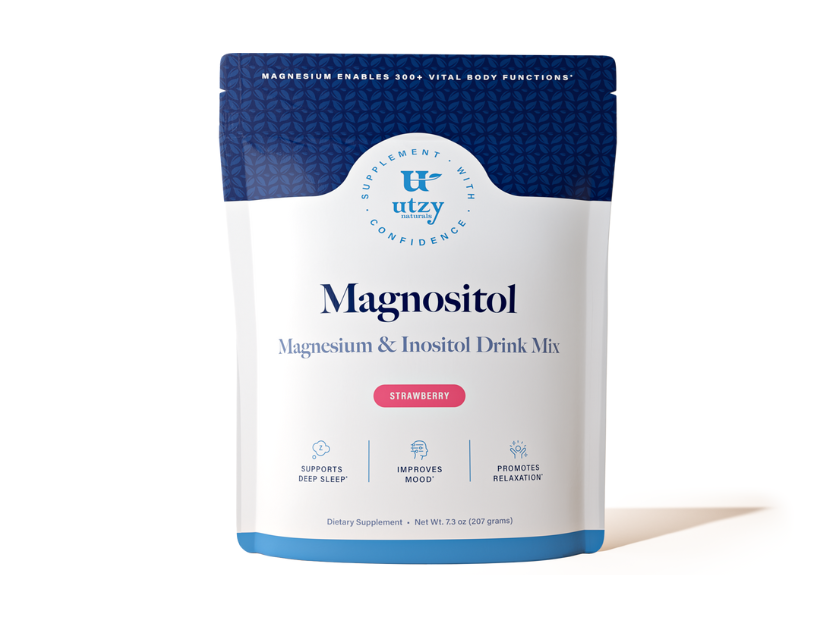
Magnesium is one of the most important minerals for human health, yet deficiency is remarkably common. This essential mineral is involved in over 300 biochemical reactions in your body, from energy production to muscle function to nervous system regulation. Despite its importance, most people don't consume adequate magnesium through diet alone. Understanding different magnesium forms, recognizing signs of deficiency, and knowing how to optimize your intake can dramatically impact your wellbeing. Utzy Naturals provides targeted magnesium solutions like Magnositol and Fall Asleep to support your specific needs.
Why Magnesium Matters for Your Body
Magnesium is essential for life. It serves as a cofactor for hundreds of enzymes throughout your body. It regulates muscle contraction and relaxation, making it critical for everything from heartbeat rhythm to skeletal muscle function. It supports energy production by helping your cells create ATP, the universal energy currency. It's involved in protein synthesis, bone development, blood glucose control, and blood pressure regulation.
Beyond these structural and metabolic roles, magnesium has profound effects on nervous system function. It blocks N-methyl-D-aspartate (NMDA) receptors, which helps regulate brain activity and prevents excessive neuronal firing. This is why magnesium plays a role in sleep quality, anxiety management, and stress resilience. When magnesium levels are adequate, your nervous system can downregulate properly when needed.
Research published on NIH databases shows that magnesium supports cardiovascular health by helping blood vessels relax and maintaining healthy blood pressure. It also supports healthy inflammation response and immune function. In essence, adequate magnesium is foundational to overall wellness.
How Common Is Magnesium Deficiency?
Magnesium deficiency is surprisingly common, affecting an estimated 50-60% of the population to some degree. This prevalence is partly due to depleted soil minerals—modern agricultural practices have reduced magnesium content in crops. Additionally, many common foods that used to be magnesium-rich are now consumed in smaller quantities as diets have shifted toward processed foods.
Certain groups are at higher risk for deficiency. People with digestive issues, including Crohn's disease, celiac disease, and irritable bowel syndrome, have impaired magnesium absorption. Individuals taking certain medications, particularly diuretics and proton pump inhibitors, lose more magnesium through urine. Athletes lose magnesium through sweat, and high-stress lifestyles deplete magnesium stores as stress hormones increase magnesium excretion.
Signs of magnesium deficiency can be subtle initially, but include muscle cramps and twitches, fatigue, sleep difficulties, anxiety, mood changes, and headaches. Severe deficiency can cause more concerning symptoms. However, because magnesium is so critical, many people are functionally deficient without meeting clinical deficiency levels—they have enough to survive but not enough to thrive.
Recommended Daily Intake and Individual Needs
The Recommended Dietary Allowance (RDA) for magnesium varies by age and sex. For adult men, the RDA is 400-420 mg daily. For adult women, it's 310-320 mg daily. Pregnant women need 350-360 mg daily, and lactating women need 310-320 mg daily. These numbers increase slightly for older adults, though absorption efficiency may decrease with age.
However, the RDA represents the minimum needed to prevent overt deficiency disease, not the optimal amount for peak wellness. Many functional medicine practitioners recommend higher intakes—often 400-600 mg daily for adults—particularly for those with specific health goals or increased needs due to stress, exercise, or health conditions.
Your individual needs depend on multiple factors. Your activity level, stress levels, diet quality, digestive health, and genetic factors all influence how much magnesium you need. Someone training intensely for athletic performance may need more magnesium than a sedentary person. Someone managing chronic stress will need more than someone with low stress levels.
This is why working with a knowledgeable healthcare provider to determine your optimal intake makes sense. If you're experiencing symptoms like poor sleep or muscle tension, upgrading your magnesium intake may help. Utzy Naturals offers solutions designed for specific needs—Magnositol for general mineral support and Fall Asleep for sleep and relaxation support.
Food Sources: Where to Find Magnesium
Magnesium is found in many foods, though amounts vary significantly based on soil mineral content and processing. The best sources are dark leafy greens like spinach, Swiss chard, and kale, which contain 150-160 mg of magnesium per cooked cup. Pumpkin seeds are magnesium powerhouses, providing about 170 mg per quarter cup. Almonds and other nuts provide 60-80 mg per ounce. Whole grains like brown rice and oats contain 35-60 mg per cooked cup.
Legumes including black beans, chickpeas, and lentils provide 60-80 mg per cooked cup. Fatty fish like salmon and mackerel contain 25-30 mg per 3-ounce serving. Dark chocolate is actually a decent magnesium source, providing about 65 mg per ounce of 70% cacao. Avocados contain about 30 mg per fruit.
The challenge is that meeting your magnesium needs through food alone requires consistent consumption of these foods. Many modern diets don't include enough dark leafy greens, nuts, seeds, and whole grains to reach optimal magnesium intake. This is where supplementation becomes valuable, particularly for those with higher needs or limited dietary options.
The Different Forms of Magnesium
Not all magnesium supplements are created equal. Magnesium is bound to different compounds, creating different forms with different properties and absorption characteristics. Understanding these differences helps you choose the right form for your needs.
Magnesium Glycinate is magnesium bound to the amino acid glycine. Glycinate forms are highly absorbable and gentle on the digestive system, making them ideal for people with sensitive stomachs. Glycine itself has calming properties, so this form is particularly good for relaxation and sleep support. This is why it's often used in sleep-focused formulas like Utzy Naturals' Fall Asleep.
Magnesium Citrate is magnesium bound to citric acid. This form has good absorption and has a mild laxative effect, making it useful for people who experience constipation. However, those with sensitive digestive systems might find too much citrate uncomfortable.
Magnesium Oxide is magnesium bound to oxygen. While it's cheap and provides high elemental magnesium, it's poorly absorbed and has a strong laxative effect. Most nutritionists don't recommend it for supplementation, though it's sometimes used specifically for constipation support.
Magnesium L-Threonate is a newer form designed to cross the blood-brain barrier and support cognitive function and memory. Research suggests it may be particularly beneficial for neurological health.
Magnesium Taurate is magnesium bound to the amino acid taurine. Both magnesium and taurine support heart function, making this form particularly beneficial for cardiovascular health.
Magnesium Malate is magnesium bound to malic acid, a compound involved in energy production. Some athletes and people managing fatigue prefer this form, as it may support energy and muscle function.
Factors That Affect Magnesium Absorption
Simply consuming magnesium doesn't guarantee absorption. Several factors affect whether magnesium is actually absorbed and used by your body.
Vitamin D status is critical. Vitamin D enhances magnesium absorption in the intestines. People with vitamin D deficiency often struggle to absorb magnesium effectively, no matter the form or dose. This is why comprehensive supplementation often includes both magnesium and vitamin D support.
Calcium balance matters significantly. While calcium and magnesium aren't directly competitive, they share some absorption pathways. The calcium-to-magnesium ratio affects absorption—an optimal ratio is around 2:1 (calcium to magnesium). Too much calcium without adequate magnesium, or vice versa, can reduce absorption of both.
Stomach acid is necessary for magnesium absorption. People taking proton pump inhibitors or H2 blockers for acid reflux may have reduced absorption. Taking magnesium with meals that stimulate stomach acid production improves absorption.
Intestinal health directly impacts absorption. Conditions like IBS, celiac disease, Crohn's disease, and leaky gut reduce magnesium absorption. Healing the gut lining with appropriate nutrients is part of addressing deficiency in these cases.
Timing and spacing matter. Taking too much magnesium at once can overwhelm absorption. Spreading intake throughout the day improves overall absorption. Taking magnesium with food improves absorption compared to taking it on an empty stomach.
Optimizing Your Magnesium Status
A comprehensive approach to magnesium optimization includes multiple strategies. First, maximize dietary intake through regular consumption of magnesium-rich foods like leafy greens, nuts, seeds, and legumes. Second, ensure adequate vitamin D status, as this supports magnesium absorption. Third, support digestive health through appropriate nutrition and lifestyle factors.
Fourth, consider targeted supplementation with forms appropriate for your needs. If sleep is your focus, magnesium glycinate like in Utzy Naturals' Fall Asleep is excellent. For general mineral support, Magnositol provides balanced magnesium with other supportive minerals. Fifth, manage stress and ensure adequate sleep, as both stress and poor sleep deplete magnesium.
Sixth, if you're taking other supplements or medications, time magnesium intake appropriately. Magnesium can interact with certain antibiotics and bisphosphonates if taken too close together. Spacing them by at least 2-3 hours is typically recommended.
Frequently Asked Questions
Can you take too much magnesium?
Too much magnesium can cause diarrhea or loose stools, which is why magnesium oxide is sometimes used as a laxative. However, high doses of absorbable forms like glycinate rarely cause problems in people with normal kidney function. The upper tolerable limit is 420 mg daily from supplements. People with kidney disease should consult their doctor before supplementing.
Should I take magnesium with calcium?
You can take them together, but they may somewhat compete for absorption. A 2:1 ratio of calcium to magnesium is generally considered optimal. If you're supplementing both, spacing them by a few hours can improve absorption of each. Many people get adequate calcium from food and primarily need magnesium supplementation.
What time of day should I take magnesium?
For sleep support, taking magnesium an hour or two before bed is ideal. For general health and muscle support, taking it with meals is best. Splitting doses throughout the day can improve overall absorption. Follow the specific directions on your supplement, as formulation matters.
Can magnesium help with muscle cramps?
Yes, muscle cramps are a classic sign of magnesium deficiency. Adequate magnesium supports muscle relaxation and contraction balance, reducing cramping. Athletes and those with frequent cramping often benefit significantly from magnesium supplementation, though hydration and electrolyte balance also matter.
Is magnesium safe during pregnancy?
Magnesium is essential during pregnancy and pregnancy increases magnesium needs. However, pregnant women should discuss supplementation with their healthcare provider. Magnesium glycinate at appropriate doses is generally considered safe during pregnancy, but individual guidance is important.
Does magnesium interact with medications?
Magnesium can interact with certain medications, particularly antibiotics (tetracyclines and fluoroquinolones) and bisphosphonate drugs for bone health. Taking magnesium 2-3 hours apart from these medications prevents interaction. Discuss magnesium supplementation with your healthcare provider if you take prescription medications.
How long does it take to see benefits from magnesium supplementation?
Some people notice improvements in sleep or muscle tension within days. Others may take 2-4 weeks to notice significant changes. This depends on how deficient you were, what form you're taking, and your individual response. Consistency is key—benefits continue to accumulate with regular use.
Can I test my magnesium level?
Blood tests can measure serum magnesium, but they're not very sensitive because only 1% of body magnesium is in the blood. Red blood cell (RBC) magnesium tests are more accurate but less commonly available. Many practitioners prefer assessing magnesium status based on symptoms and response to supplementation.
Is magnesium glycinate better than other forms?
Magnesium glycinate isn't necessarily 'better,' but it is ideal for many applications. It has excellent absorption, gentle digestive effects, and glycine itself has calming properties. For sleep and relaxation support, glycinate is often preferred. For other goals, other forms might be more appropriate. Utzy Naturals chooses forms based on the specific purpose of each product.
Why is magnesium often paired with other minerals?
Minerals work synergistically. Magnesium works best with adequate calcium, vitamin D, and potassium. These nutrients support each other's absorption and function. This is why comprehensive mineral formulations like Magnositol from Utzy Naturals include multiple minerals—they work together more effectively than magnesium alone.
*These statements have not been evaluated by the FDA. This product is not intended to diagnose, treat, cure, or prevent any disease.*