How Alcohol Affects Your Nutrient Status (and What to Replenish)
December 01, 20253 min read
Alcohol depletes B vitamins (especially thiamine, folate, B6, and B12), magnesium, zinc, and glutathione through direct pharmacological mechanisms — and understanding these depletions helps you replenish strategically rather than suffering through preventable hangovers and long-term nutritional consequences.
How Alcohol Depletes Specific Nutrients
B vitamins: Alcohol impairs thiamine (B1) absorption, reduces hepatic folate storage, increases B6 catabolism, and damages the gastric cells that produce intrinsic factor (needed for B12 absorption). Chronic alcohol use is the leading cause of thiamine deficiency in developed countries. Magnesium: Alcohol increases urinary magnesium excretion acutely and impairs intestinal magnesium absorption — a double depletion pathway. Magnesium loss contributes to the muscle tension, poor sleep, and anxiety experienced after drinking. Zinc: Alcohol mobilizes zinc from the liver and increases urinary zinc excretion. Since zinc is required for both alcohol dehydrogenase (the enzyme that processes alcohol) and immune function, depletion impairs both alcohol clearance and immune defense. Glutathione: Alcohol metabolism generates acetaldehyde, a toxic intermediate that is neutralized by glutathione. Heavy or frequent drinking depletes glutathione reserves, reducing detoxification capacity and increasing oxidative damage.
Strategic Replenishment
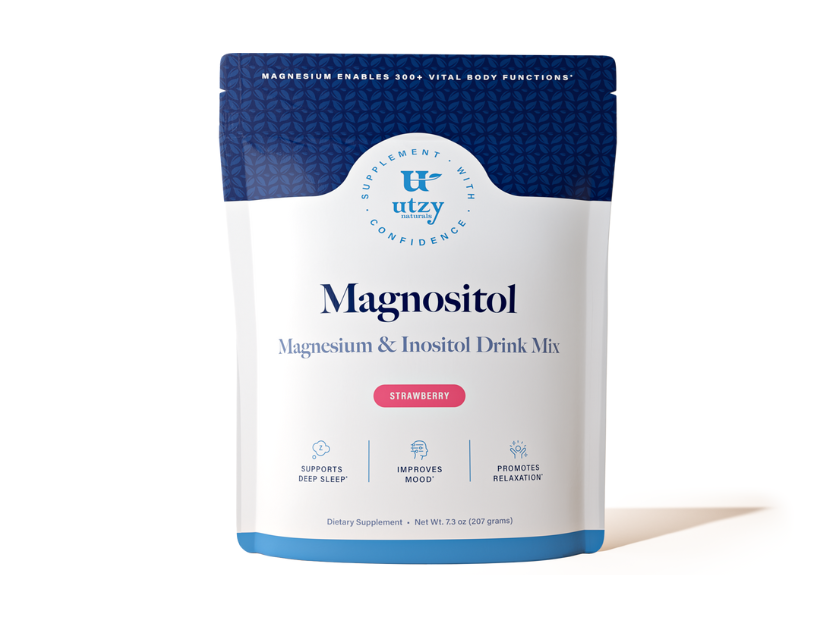
Before drinking: adequate magnesium and B vitamins reduce vulnerability. After drinking: Vitamin B Complex restores the B vitamins consumed during alcohol metabolism. Magnositol replenishes magnesium for nervous system recovery and sleep support. L-Glutathione supports the glutathione reserves depleted by acetaldehyde detoxification. Hydration with electrolytes (not just water) addresses the fluid and mineral losses from alcohol's diuretic effect.
The Hangover: Mostly a Nutrient Depletion Problem
Hangover symptoms map remarkably well onto acute nutrient depletion symptoms. Headache: magnesium depletion increases vascular tension and inflammation; dehydration reduces cerebral blood flow. Nausea: acetaldehyde accumulation (from overwhelmed glutathione-dependent detoxification) irritates the GI tract and stimulates the area postrema (the brain's vomiting center). Fatigue: B vitamin depletion impairs mitochondrial energy production; disrupted sleep architecture (alcohol suppresses REM sleep) prevents restorative rest. Anxiety and irritability: magnesium and GABA depletion reduce inhibitory neurotransmission; the cortisol rebound that occurs as alcohol wears off activates the sympathetic nervous system.
This nutrient-depletion framework explains why some interventions help hangovers and others don't. Water alone helps with dehydration but doesn't address nutrient losses. "Hair of the dog" temporarily suppresses the cortisol rebound but delays and worsens the eventual hangover. B vitamins, magnesium, glutathione precursors (NAC), and electrolytes address the actual biochemical deficits — which is why supplement-based hangover remedies outperform folk remedies in the limited clinical research that exists.
Long-Term Consequences of Regular Drinking
Even moderate alcohol consumption (1-2 drinks daily) creates cumulative nutrient depletion over time. Chronic drinkers have measurably lower levels of thiamine (B1), folate, B6, B12, magnesium, and zinc compared to non-drinkers — even when dietary intake appears adequate. This is because alcohol doesn't just increase excretion of these nutrients; it impairs their absorption, reduces hepatic storage, and increases metabolic consumption. For people who drink regularly, targeted supplementation isn't optional — it's compensating for a well-documented, well-characterized biochemical cost.
Frequently Asked Questions
Can supplements prevent a hangover?
They can reduce severity by replenishing depleted nutrients and supporting detoxification pathways, but they can't eliminate the effects of alcohol on sleep architecture, gut lining irritation, or systemic inflammation. Moderation remains the most effective strategy.
*These statements have not been evaluated by the Food and Drug Administration. This product is not intended to diagnose, treat, cure, or prevent any disease.