Exercise in Heat: Hydration, Recovery, and Performance Nutrition
June 13, 20252 min read
Exercising in heat increases core temperature, sweat rate, cardiovascular strain, and oxidative stress — requiring strategic hydration, electrolyte management, and recovery nutrition to maintain performance and prevent heat-related illness.
Physiological Effects of Heat Exercise
When you exercise in temperatures above 80 degrees F, your body faces a circulatory conflict: working muscles need blood flow for oxygen delivery, while skin needs blood flow for heat dissipation through sweating. Cardiac output increases to serve both demands, heart rate rises 10-20 beats per minute above what the same exercise intensity would require in cool conditions, sweat rate can exceed 1-2 liters per hour (carrying sodium, potassium, magnesium, and chloride), and core temperature rises faster toward the danger zone of 104 degrees F.
Performance and Recovery Strategy
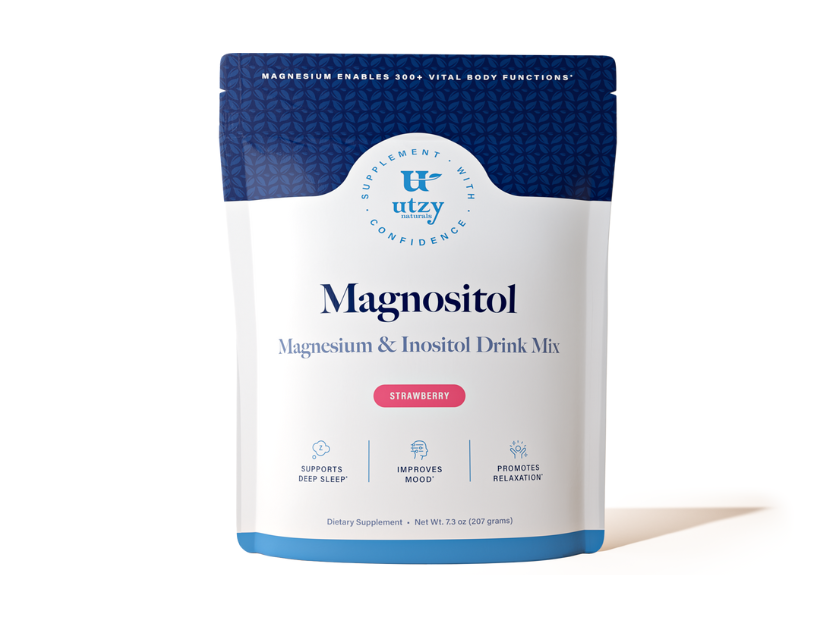
Pre-hydrate: 16-20oz of electrolyte-containing fluid 2 hours before heat exercise. During: 6-8oz every 15-20 minutes with 300-500mg sodium per liter. Don't rely on thirst — it lags behind dehydration by 1-2%. Post-exercise: Replace 150% of fluid lost (weigh before and after to calculate sweat loss). Include 300-500mg sodium per 16oz to retain fluid rather than just urinating it out. Magnesium: Sweat losses deplete magnesium that's already insufficient in 50% of adults. Magnositol post-exercise supports muscle relaxation, prevents cramps, and replenishes the magnesium critical for overnight recovery. Omega-3: Heat exercise generates significant oxidative stress. Omega-3 Fish Oil provides anti-inflammatory EPA and DHA that support recovery from exercise-induced inflammation.
How do I know if heat is affecting my performance?
If heart rate is 10-20+ BPM higher than usual for the same pace or effort, perceived exertion feels disproportionately hard, or you stop sweating despite continued exercise (a danger sign of heat exhaustion), heat is significantly impacting your physiology. Slow down, seek shade, and hydrate.
Should I exercise in heat to acclimatize?
Heat acclimatization is real and beneficial — 10-14 days of progressive heat exposure improves sweat rate, reduces core temperature, and lowers heart rate during heat exercise. Start with 50-60% of your normal intensity and duration, increasing gradually. Hydrate aggressively throughout.
*These statements have not been evaluated by the Food and Drug Administration. This product is not intended to diagnose, treat, cure, or prevent any disease.