Exercise and Testosterone: How Training Affects Male Hormones
May 04, 20252 min read
Resistance training is the most potent natural stimulus for testosterone production — compound movements like squats, deadlifts, and bench press acutely spike T levels and, with consistent training, maintain higher baseline testosterone compared to sedentary men.
The Acute Testosterone Response
Heavy compound exercises (engaging multiple large muscle groups) produce an acute testosterone spike of 15-30% above baseline that peaks 15-30 minutes post-exercise and returns to baseline within 60 minutes. The magnitude depends on the volume of muscle engaged (legs > arms), the load (heavier = greater response up to ~85% 1RM), and rest periods (60-90 seconds between sets produces larger hormonal response than 3+ minutes). Isolation exercises (bicep curls, leg extensions) produce minimal hormonal response.
The Chronic Training Effect
Beyond acute spikes, consistent resistance training (3-4 days per week for 12+ weeks) maintains higher resting testosterone, reduces SHBG (freeing more bioactive testosterone), improves insulin sensitivity (insulin resistance suppresses T), reduces body fat (less aromatase conversion of T to estrogen), and increases lean mass (which itself supports higher testosterone through feedback mechanisms).
Endurance Exercise: The Double-Edged Sword
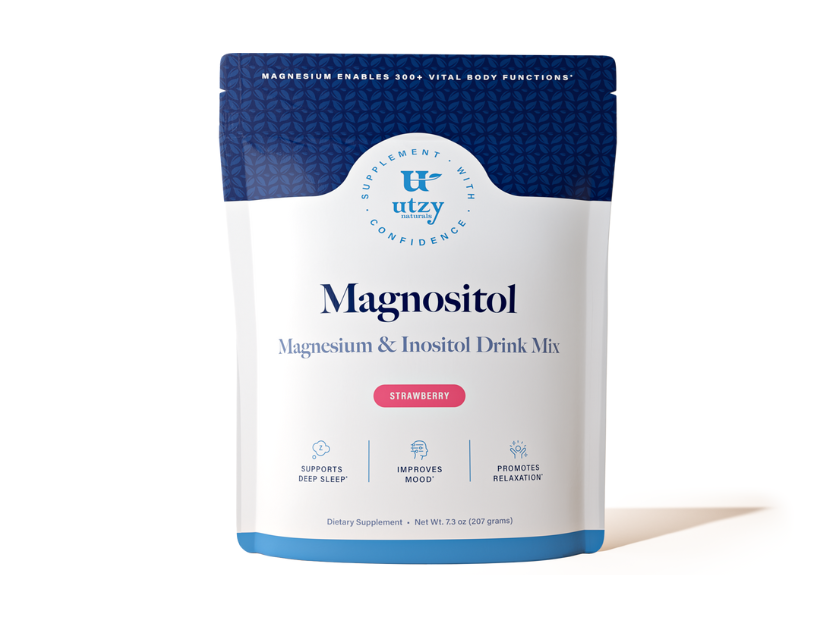
Moderate endurance exercise (30-45 minutes, 3-4 times weekly) supports testosterone. However, high-volume endurance training — marathon preparation, ultra-distance events, or chronic daily running exceeding 60 minutes — can suppress testosterone through elevated cortisol (direct T suppression), energy deficit (inadequate caloric intake relative to expenditure), and increased SHBG. The practical implication for men: combine resistance training with moderate cardiovascular work. If you're a serious endurance athlete, monitor testosterone with annual blood tests and support recovery with adequate calories, sleep, and Magnositol for the magnesium depleted through heavy sweat losses.
What exercises produce the biggest testosterone response?
Back squats, deadlifts, bench press, overhead press, and barbell rows — compound movements engaging the largest muscle groups at heavy (75-85% 1RM) loads. Leg day, despite being everyone's least favorite, produces the strongest hormonal response because the quadriceps, hamstrings, and glutes represent the body's largest muscle mass.
How soon after starting training will testosterone improve?
Acute post-workout spikes occur immediately. Chronic baseline improvements typically require 8-12 weeks of consistent training (3-4 sessions per week). Body composition changes that further support T (reduced visceral fat, increased lean mass) continue improving over 6-12 months.
*These statements have not been evaluated by the Food and Drug Administration. This product is not intended to diagnose, treat, cure, or prevent any disease.