Does Magnesium Help with Muscle Cramps? What the Evidence Shows
November 18, 20253 min read
Magnesium plays a clear role in muscle contraction and relaxation biochemistry, and chronic magnesium insufficiency lowers the threshold for cramping — but the evidence that acute magnesium supplementation prevents exercise-associated muscle cramps is mixed.
The Biochemistry Is Clear
Muscle contraction requires calcium influx; muscle relaxation requires calcium removal and magnesium binding. Magnesium acts as a natural calcium antagonist at the neuromuscular junction — it modulates acetylcholine release and calcium channel gating. When magnesium is insufficient, the neuromuscular junction becomes hyperexcitable, lowering the threshold for involuntary contraction (cramping).
This biochemistry is well-established. What's less clear is whether supplemental magnesium prevents the specific type of cramping that occurs during or immediately after exercise.
What the Evidence Shows
Studies on magnesium for exercise-induced cramps show conflicting results. A 2017 Cochrane review found insufficient evidence that magnesium supplementation prevents exercise-associated muscle cramps. However, studies of magnesium for nocturnal leg cramps (which have a different pathophysiology) show more consistent benefit. The difference may be mechanistic: exercise-associated cramps appear driven primarily by neuromuscular fatigue and altered spinal reflex activity, while chronic cramping relates more to mineral status.
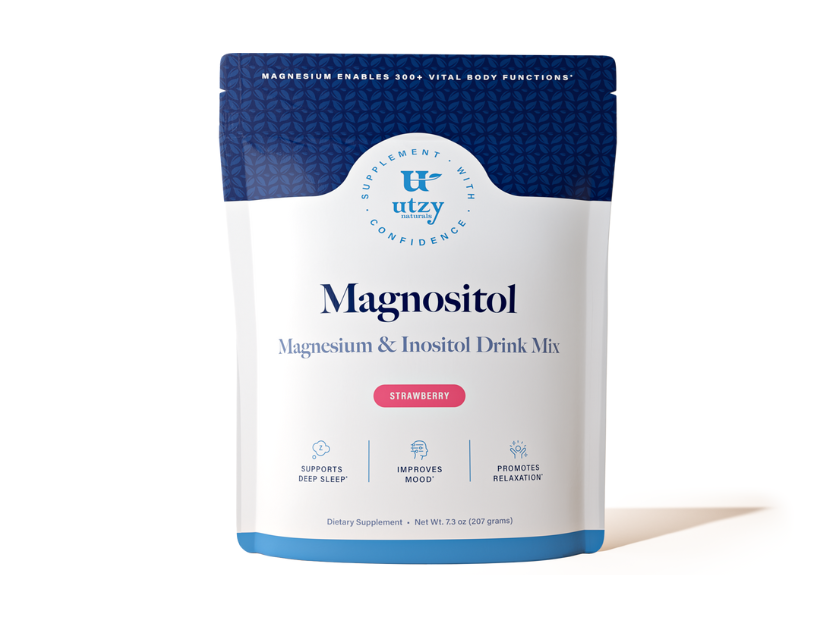
Where the evidence is clearer: athletes with documented magnesium deficiency (common — magnesium is lost through sweat and depleted by stress) benefit from repletion. Correcting an underlying magnesium deficit reduces cramping frequency and improves overall muscle function, recovery quality, and sleep — all of which support training adaptation. Magnositol provides magnesium glycinate at a dose that supports both athletic recovery and sleep quality.
What the Research Actually Tested
Most studies on magnesium for exercise-associated muscle cramps enrolled people who were already cramping and tested whether magnesium supplementation reduced frequency. Results were mixed — likely because exercise-associated cramps have multiple causes, and only a subset are driven by magnesium insufficiency. The cramps most responsive to magnesium are those occurring at rest or with minimal exertion (nocturnal leg cramps, cramps during gentle stretching) — suggesting a neurological excitability mechanism where magnesium deficiency lowers the threshold for involuntary contraction.
Exercise-associated cramps during maximal or prolonged effort appear to be driven primarily by neuromuscular fatigue — altered spinal reflex activity caused by exhaustion of the motor control system, not electrolyte depletion. This explains why cramps occur most often in the final stages of races (when fatigue peaks) rather than correlating with sweat loss or electrolyte changes measured during the event.
The Bigger Picture: Magnesium for Athletic Performance
Even if magnesium's cramp-prevention evidence is mixed, its broader athletic benefits are well-established. Magnesium is required for ATP production (every energy-dependent process in exercise), supports glucose metabolism during endurance activity (magnesium-dependent enzymes regulate glycolysis and gluconeogenesis), modulates inflammation (magnesium-deficient athletes show higher inflammatory markers after training), and supports sleep quality (the most important recovery variable, as growth hormone release depends on slow-wave sleep that magnesium supports). Consistent daily magnesium supplementation at 300-400mg improves the total athletic performance and recovery picture, even if it doesn't prevent every cramp during a hard race.
Frequently Asked Questions
Should I take magnesium before or after exercise?
For cramp prevention, consistent daily supplementation matters more than timing relative to exercise. For recovery support, post-training or evening dosing (supporting sleep and overnight recovery) is practical. Avoid taking large magnesium doses immediately before intense exercise — the relaxation effect may slightly impair performance.
*These statements have not been evaluated by the Food and Drug Administration. This product is not intended to diagnose, treat, cure, or prevent any disease.