Blood Sugar and Energy: Why Glucose Stability Matters for Everyone
November 05, 20253 min read
Blood sugar instability — characterized by glucose spikes and crashes — causes energy dips, brain fog, irritability, and cravings even in people without diabetes, because the brain depends on glucose as its primary fuel and is exquisitely sensitive to supply fluctuations.
How Blood Sugar Instability Affects Daily Function
The brain consumes approximately 120g of glucose daily — about 20% of total body glucose — despite comprising only 2% of body weight. When blood glucose drops rapidly after a spike (reactive hypoglycemia), the brain experiences an acute energy deficit. The result: sudden fatigue, difficulty concentrating, irritability, anxiety, and intense carbohydrate cravings — your brain's demand for immediate fuel restoration.
This cycle affects metabolically "healthy" people regularly. A breakfast of cereal and juice (high glycemic load, minimal protein/fat/fiber) causes a rapid glucose spike, followed by an insulin-driven crash 2–3 hours later. The mid-morning energy dip and coffee craving are literally your blood sugar crashing, not a caffeine deficiency.
Dietary Strategies for Glucose Stability
Every meal and snack should include protein, fat, and fiber — these slow gastric emptying and moderate the glucose response. Eat carbohydrates last in a meal (after protein and vegetables) — this simple sequence change has been shown to reduce post-meal glucose spikes by up to 73%. Front-load your calories: larger breakfasts with adequate protein produce more stable glucose throughout the day than calorie-skipping followed by large dinners.
Supplemental Support
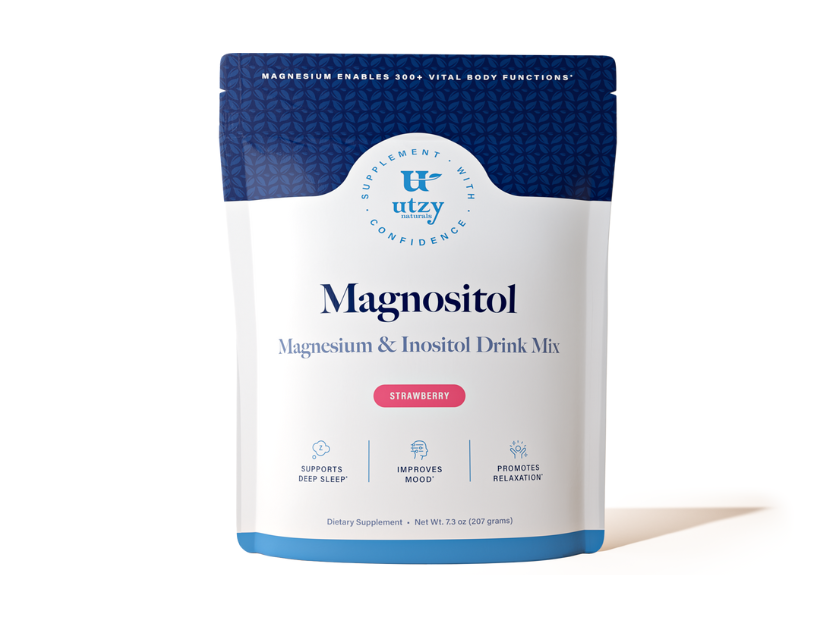
Berberine activates AMPK — the same metabolic switch activated by exercise — improving insulin sensitivity and glucose uptake. Berbercol provides berberine alongside bergamot for comprehensive metabolic support. Inositol supports insulin signaling at the second messenger level. Magnositol combines inositol with magnesium — both of which support healthy glucose metabolism.
The CGM Revolution
Continuous glucose monitors (CGMs) — small sensors worn on the arm or abdomen that measure interstitial glucose every 5 minutes — have moved beyond the diabetic population into general wellness. For people without diabetes, 2-4 weeks of CGM data reveals individual glucose responses to specific foods, meals, exercise, stress, and sleep patterns that are impossible to predict from glycemic index tables alone.
Common CGM revelations: oatmeal (often considered "healthy") spikes some people to 180+ mg/dL; adding protein or fat to the same meal can reduce the spike by 50%; a 10-minute walk after eating reduces post-meal glucose by 30-40%; poor sleep the previous night increases glucose response to the same meal by 20-30%; stress alone (without eating) can raise glucose significantly through cortisol-driven hepatic glucose output.
This personalization is valuable because glucose responses are highly individual — two people eating the identical meal can have dramatically different glucose curves based on their microbiome composition, insulin sensitivity, muscle mass, and metabolic flexibility. CGMs transform glucose management from generic dietary advice into personalized data.
Frequently Asked Questions
Should I monitor my blood sugar if I'm not diabetic?
Continuous glucose monitors (CGMs) have become available to non-diabetics and can provide eye-opening data about how specific meals, stress, sleep, and exercise affect your personal glucose patterns. Even 2 weeks of CGM data can reveal actionable dietary insights.
Are glucose spikes dangerous for non-diabetics?
Individual spikes are not dangerous, but chronic glucose variability (repeated spike-crash cycles) is associated with increased oxidative stress, glycation of proteins, and long-term metabolic dysfunction — even when average glucose and HbA1c remain "normal."
*These statements have not been evaluated by the Food and Drug Administration. This product is not intended to diagnose, treat, cure, or prevent any disease.