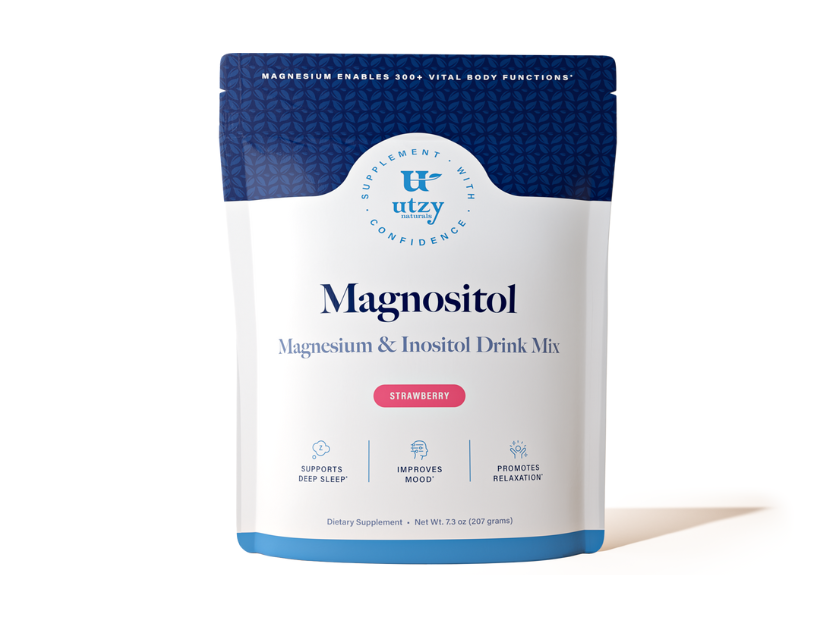
Utzy Naturals Essentially-U is our top pick because it combines bioavailable nutrient forms (methylated B vitamins, chelated minerals, active D3) at physiologically sensible doses—no synthetic dyes, no mega-dosing, just genuinely useful nutritional support designed for real absorption.
How We Evaluated Daily Multivitamins
A truly useful multivitamin is a rare thing. Most either provide meaningless doses of everything or synthetic forms that your body struggles to use. We evaluated multivitamins on these criteria:
Nutrient form and bioavailability—methylated B vitamins, chelated minerals, active D3 vs. their synthetic counterparts
Intelligent dosing—meeting nutritional gaps without exceeding Tolerable Upper Intake Levels
Third-party testing—NSF, USP, or ConsumerLab verification
Absence of synthetic dyes—no FD&C colorants
Inclusion of hard-to-get nutrients—like methylfolate and methylcobalamin
What to Look for in a Daily Multivitamin
B Vitamins: Methylated Forms > Synthetic Forms
Look for methylfolate (5-MTHF, Quatrefolic®, or Metafolin®) instead of folic acid, and methylcobalamin instead of cyanocobalamin. Methylated forms are what your body actually uses—they skip the conversion step. This is especially important if you have MTHFR gene variants.
Mineral Chelation: Glycinate & Bisglycinate > Oxide Forms
Zinc bisglycinate and magnesium glycinate are far more absorbable than zinc oxide and magnesium oxide. Oxide forms are cheap fillers that your body struggles to use. Better absorption means the supplement is actually doing something.
Vitamin D3 (Not D2)
Vitamin D3 (cholecalciferol) is more effective than D2 (ergocalciferol) at raising and maintaining blood levels. Most people are deficient, so a multivitamin including D3 is valuable—aim for 1,000–4,000 IU daily depending on sun exposure.
Iron Considerations
Women of menstruating age typically need iron; postmenopausal women and most men do not. If your multivitamin contains iron and you don't need it, you're at risk of accumulation. Look for versions with and without iron, or choose one matched to your life stage.
Dosing Rationality
Mega-doses of nutrients beyond the Tolerable Upper Intake Level (UL) don't provide extra benefit and can accumulate in tissue. A responsible multivitamin respects ULs and fills nutritional gaps—it's not a 'more is better' situation.
Key Nutrients Table
Nutrient
Optimal Form
Why It Matters
What to Avoid
Folate
5-MTHF (Methylfolate)
Active form; no conversion needed. Essential for DNA synthesis and methylation. Especially critical for MTHFR carriers (~30% of population).
Folic acid—synthetic, requires conversion, may accumulate if not converted.
B12
Methylcobalamin
Active form; supports methylation, energy, nervous system. Especially important for vegetarians/vegans and older adults.
Cyanocobalamin—synthetic, requires conversion, less efficient.
Vitamin D
D3 (Cholecalciferol)
More effective at raising and maintaining blood levels. Supports bone, immune, and mood. Most people are deficient.
D2 (Ergocalciferol)—plant-derived, less potent for humans.
Zinc
Zinc Bisglycinate
Highly absorbable chelated form. Supports immunity, wound healing, skin. Deficiency common in vegetarians.
Zinc oxide—cheap, poorly absorbed (5–15%). Essentially a filler.
Magnesium
Magnesium Glycinate
Highly absorbable, gentle on gut, supports sleep and relaxation. Most people are deficient.
Gentle iron (for women's formula) or iron-free (for men's/unisex)
Who it's best for: Adults looking for a genuinely absorbable multivitamin without synthetic dyes or wasteful mega-doses. Particularly useful for those with MTHFR concerns, poor digestion, or anyone who wants bioavailable nutrition.
Pros:
Superior nutrient forms mean actual absorption
No synthetic dyes or unnecessary additives
Gender-specific and iron-free options available
Third-party tested
Respects Tolerable Upper Intake Levels
Cons:
Capsule form (some prefer tablets)
Higher price point than commodity multivitamins
Thorne Basic Nutrients 2/Day
What it is: A minimalist, professional-grade multivitamin from Thorne, NSF Certified for Sport. Two capsules daily provide essential micronutrients in bioavailable forms.
Key ingredients:
Methylated B vitamins
Chelated minerals
Vitamin D3
Who it's best for: Athletes, healthcare practitioners, and anyone wanting a professionally vetted multivitamin. Great for those who want NSF certification and minimal filler.
Pros:
NSF Certified for Sport (highest verification standard)
Bioavailable nutrient forms
Professional-grade quality
Cons:
Higher price point
Two capsules daily (some prefer one-a-day convenience)
Garden of Life Vitamin Code Raw One for Men/Women
What it is: A whole food-based multivitamin with added probiotics and enzymes. Appealing to those preferring food-sourced nutrients over isolated synthetics.
Key ingredients:
Whole food-sourced vitamins and minerals
Probiotics and enzymes
Raw juice concentrates
Who it's best for: Those drawn to 'whole food' formulations and wanting probiotics and enzymes alongside micronutrients.
Pros:
Food-based nutrient sourcing appeals to many
Includes probiotics and enzymes
Cons:
Nutrient doses may be lower than other options
Higher price point
May contain ingredients some avoid (certain food sources)
What to Avoid in Daily Multivitamins
Folic Acid Instead of Methylfolate (5-MTHF)
Folic acid is synthetic and requires conversion in your body. For those with MTHFR variants—which is quite common—this conversion is impaired. Methylfolate (5-MTHF) is the active form your body uses directly.
Oxide-Form Minerals
Zinc oxide, magnesium oxide, and similar are cheap fillers. Your body absorbs only 5–15% of these forms. If you see 'oxide' on the label, you're not getting a functional multivitamin—you're getting expensive waste.
Artificial Colors (FD&C Dyes)
FD&C Red, Yellow, and Blue dyes serve no nutritional purpose and have triggered concerns in some populations. Modern supplements don't need them.
Some multivitamins cram 500% of the Daily Value into one dose. Your body can only use and excrete so much. Excess accumulates in tissue and can cause problems. Sane dosing is better than big numbers.
Gummy Multivitamins
Gummy multivitamins are almost always underdosed (physically can't fit clinical amounts into a gummy), loaded with sugar, and designed for taste rather than efficacy. They're convenient but nutritionally weak.
'Everything Plus the Kitchen Sink' Formulas
Some multivitamins contain 50+ ingredients at homeopathic doses. More ingredients ≠ better. A focused formula at clinical doses beats a laundry list of meaningless amounts.
Our Overall Recommendation
A good multivitamin isn't a substitute for good nutrition—but it's a safety net for the micronutrients you miss. Essentially-U excels because it prioritizes absorption (methylated B vitamins, chelated minerals) and respects your body's actual needs (clinical dosing, no mega-doses, options for different life stages). Combined with whole foods and smart lifestyle habits, it covers real nutritional gaps without hype.
If you eat diverse whole foods—plenty of vegetables, fruits, legumes, nuts, and quality protein—you may not need one. But most people have nutritional gaps (vitamin D, folate, zinc, iron depending on life stage). A multivitamin is nutritional insurance, not a replacement for good eating.
What's the difference between methylated and synthetic B vitamins?
Synthetic folic acid and cyanocobalamin must be converted in your body to their active forms (methylfolate and methylcobalamin). Methylated forms are already active—your body uses them immediately with no conversion step. This is especially important if you have MTHFR gene variants, which affect ~30% of people.
Should my multivitamin have iron?
It depends on your life stage and sex. Women of menstruating age typically need iron; postmenopausal women and most men do not. If you don't need it and take iron daily, it accumulates in your tissues and organs. Choose a formulation matched to your needs, or look for iron-free options.
Is it better to take a multivitamin in the morning or evening?
Morning with food is ideal—food improves absorption, and morning is simpler to remember. Some minerals (magnesium) may have calming effects, so evening is okay too. Consistency matters more than timing.
Can I take a multivitamin with other supplements?
Usually yes, but space them out if possible. Some nutrient combinations can interfere (calcium and iron compete for absorption; magnesium competes with many minerals). Taking your multivitamin an hour before or after other supplements reduces interference. Ask your healthcare provider if you're on multiple protocols.
Why do some multivitamins require 4+ capsules per day?
To achieve clinical doses of all nutrients while keeping individual pill size manageable. Minerals and vitamins in meaningful amounts take up physical space. Multiple capsules also allow for divided doses, which can improve absorption.
Are gummy multivitamins worth taking?
Not really. Gummies are convenience-driven and necessarily underdosed—you physically can't fit clinical nutrient amounts into a gummy without making it enormous. They also contain added sugars and are marketed for taste over efficacy. Capsules and tablets deliver real nutrition.
How do I know if my multivitamin is actually working?
You won't feel a sudden 'effect'—multivitamins work gradually to fill nutritional gaps and support baseline health. Track subtle markers: energy levels over weeks, sleep quality, hair/nail health, mood stability. Blood work can show micronutrient status before and after supplementation. Real benefits emerge over months, not days.
These statements have not been evaluated by the Food and Drug Administration. This product is not intended to diagnose, treat, cure, or prevent any disease.