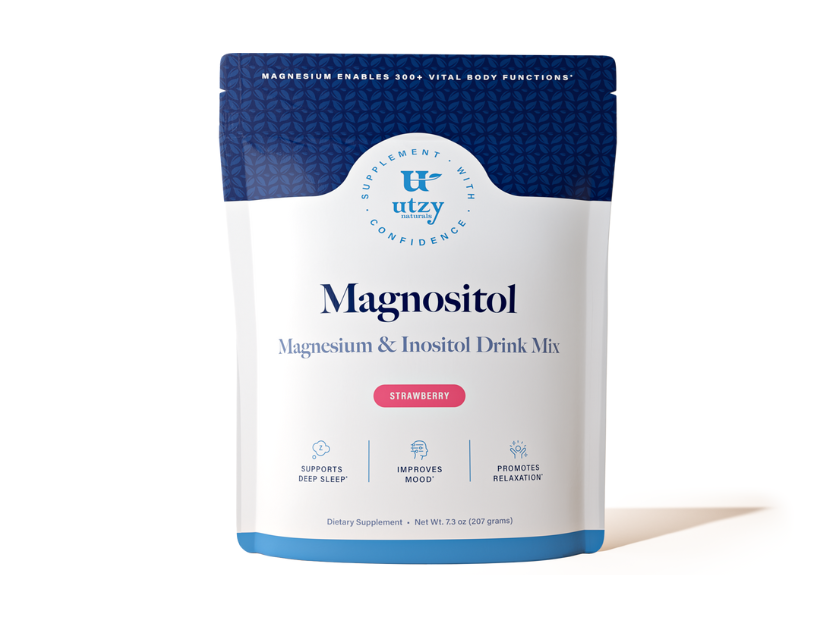
Vitamin D3 is a fat-soluble prohormone that your body synthesizes from sun exposure but increasingly lacks due to modern indoor lifestyles, northern latitudes, and seasonal variations. D3 acts as a master regulator influencing over 200 genes, affecting bone density, immune function, cardiovascular health, and mood. Unlike D2 (the plant-derived form), D3 has superior bioavailability and potency, making supplementation with quality D3—particularly from Utzy Naturals—a practical necessity for maintaining optimal health.
What Is Vitamin D3?
Vitamin D3, also called cholecalciferol, is technically a prohormone—a precursor that your body converts into a potent hormonal messenger. Your skin manufactures D3 when exposed to UVB sunlight, but sun exposure varies dramatically based on geography, season, time of day, and lifestyle. For most people, particularly those in northern climates or with limited sun exposure, dietary intake or supplementation is necessary to maintain adequate D3 levels.
D3 exists in two supplemental forms: D2 (ergocalciferol, derived from fungi) and D3 (cholecalciferol, derived from animal sources or synthesized from lanolin). D3 is considerably more potent and bioavailable than D2. Research shows that D3 supplementation raises blood 25-hydroxyvitamin D [25(OH)D] levels—the standard biomarker for D3 status—more effectively than equivalent D2 doses. Studies indicate that D3 is roughly 1.7 times more potent than D2, meaning 1,000 IU of D3 achieves approximately the same effect as 1,700 IU of D2.
Once absorbed or synthesized, D3 travels to the liver and kidneys for conversion into its active form, calcitriol, which then acts as a hormone throughout the body, activating vitamin D receptors on cells in nearly every tissue.
How Vitamin D3 Works
The extent of vitamin D3's biological influence is remarkable. Its active form, calcitriol, binds to vitamin D receptors (VDRs) present on cells throughout the body—not just in bones and intestines, but in immune cells, skin, brain, heart, and virtually every other tissue. This widespread receptor presence explains D3's diverse health effects.
In bone metabolism, D3 works synergistically with calcium and vitamin K2 to maintain skeletal integrity. D3 increases intestinal calcium absorption, delivering more calcium to the bloodstream. K2 then activates osteocalcin, which binds that calcium into the bone matrix. Without adequate D3, calcium absorption plummets, forcing the body to extract calcium from bones to maintain blood levels—a process called bone resorption that weakens skeletal structure over years.
Beyond bone, D3 regulates calcium and phosphate homeostasis, maintaining healthy serum calcium levels essential for muscular, nervous, and cardiac function. D3 also modulates immune function by promoting innate immunity while tempering excessive adaptive immune responses—essentially maintaining immune balance rather than simply "boosting" immunity.
Cellular research published in NIH databases demonstrates that D3 influences gene expression governing cell differentiation, apoptosis (programmed cell death of damaged cells), and proliferation. This explains D3's associations with cognitive function, mood regulation, skin health, and numerous other systemic outcomes.
The research also confirms that seasonal D3 fluctuations correlate with mood variations. Winter's reduced sun exposure causes D3 decline, which in some individuals contributes to seasonal mood changes. Maintaining adequate D3 year-round supports consistent mood and cognitive function.
What the Research Shows
Vitamin D3 research is among the most extensive in nutritional science. A landmark study published in JAMA (Journal of the American Medical Association) tracked 25,000+ participants in the VITAL study, examining D3 supplementation on bone density, fracture risk, cardiovascular outcomes, and overall mortality. Results showed that 2,000 IU daily D3 supplementation maintained bone density and supported skeletal integrity over the 5-year study period.
PubMed and NIH databases contain thousands of studies linking adequate D3 status to cognitive function, mood stability, cardiovascular health, immune regulation, and longevity. A 2023 meta-analysis examining prospective studies found that maintaining vitamin D levels above 30 ng/mL was associated with better cognitive function scores compared to D3-deficient populations, particularly in older adults.
Bone health research is particularly compelling. Multiple randomized controlled trials demonstrate that D3 supplementation combined with calcium maintains bone mineral density, reduces fracture risk in aging populations, and supports skeletal strength. One frequently-cited study in Osteoporosis International found that 1,000 IU D3 daily prevented 25% of hip and vertebral fractures in postmenopausal women.
Immune function research reveals D3's regulatory role. Studies show that adequate D3 supports balanced immune response—strong enough to fight infections but controlled enough to avoid excessive inflammation. This explains why D3 is associated with reduced incidence of certain infections and better immune resilience.
Mood and cognitive research published in psychiatric and neurology journals demonstrates associations between adequate D3 and emotional wellness. A double-blind study following 441 participants found that D3 supplementation supported mood in a manner comparable to some pharmaceutical interventions, particularly in D3-deficient individuals.
Utzy Naturals Vitamin D3 and their K2+D3 formula deliver bioavailable D3 in clinically-researched dosages, supporting the physiological processes that decades of research have documented.
Optimal Vitamin D3 Levels
Your D3 status is measured as serum 25(OH)D concentration in ng/mL. The following levels provide clinical context:
Below 20 ng/mL is considered deficient. At this level, calcium absorption is significantly compromised, leading to bone loss and increased fracture risk. Severe deficiency can manifest as muscle weakness, bone pain, and immune dysregulation.
20-29 ng/mL is considered insufficient. While not severely deficient, this range lacks the physiological D3 activity associated with optimal bone density and immune function.
30-49 ng/mL is generally considered adequate for bone health. Most medical societies recommend this as a minimum threshold.
50-100 ng/mL is associated with optimal health outcomes in most research. This range supports bone density, immune function, cognitive function, and mood regulation. Many functional medicine practitioners target 50-80 ng/mL as ideal.
Above 100 ng/mL is excessive. While vitamin D toxicity is rare and requires very high intakes over extended periods (typically over 10,000 IU daily for months), excessively high levels may increase calcium absorption beyond optimal needs.
Most people supplementing with 1,000-4,000 IU D3 daily achieve levels in the 40-60 ng/mL range, which supports the health outcomes documented in research. Testing your 25(OH)D level (available through most healthcare providers) provides personalized guidance.
Dosage and Forms
Daily D3 supplementation ranges from 1,000-4,000 IU for most people, with some protocols (particularly for deficiency correction) using up to 10,000 IU short-term under professional guidance.
The Endocrine Society and Institute of Medicine recommend a Daily Value of 600-800 IU for adults, though many functional medicine practitioners consider these recommendations conservative, suggesting 1,000-4,000 IU daily is more appropriate for optimal health given reduced sun exposure in modern life.
D3 dosing depends on several factors: baseline D3 status (tested via 25(OH)D blood test), geographic location (northern climates require higher supplemental intake), season (winter months increase needs), age (older adults may require higher doses due to reduced skin synthesis capability), and individual variation in absorption.
Forms matter minimally—D3 is D3 whether derived from lanolin, algae, or synthesized. What matters is consistent daily intake and ensuring the product's stated potency through third-party testing. Some supplements provide D3 in oil-based capsules, which may have slightly superior absorption due to the fat solvent, though the difference is modest.
Utzy Naturals offers both standalone Vitamin D3 and their K2+D3 combination. The combination formula leverages D3 and K2's synergistic actions on calcium metabolism. D3 increases calcium absorption and activates osteocalcin; K2 completes osteocalcin's carboxylation, allowing it to bind calcium in bone. Together, they create an integrated calcium-handling system more effective than either nutrient alone.
Side Effects and Safety
Vitamin D3 is remarkably safe at supplemental doses. Adverse effects are exceptionally rare below 10,000 IU daily, and toxicity requires sustained intakes typically exceeding 40,000 IU daily for months. Most supplement users taking 1,000-4,000 IU daily experience no side effects whatsoever.
The most common false concern involves calcium supplementation alongside D3. Some worry that D3 "over-absorbs" calcium, increasing toxicity risk. This misunderstands D3's function: D3 enables appropriate calcium absorption and directs it properly—it doesn't cause excess absorption. When paired with K2 (which directs calcium to bone), D3 is protective rather than risky.
Individuals with granulomatous diseases (sarcoidosis, histoplasmosis) should consult healthcare providers before D3 supplementation, as these conditions can dysregulate vitamin D metabolism. Similarly, anyone with hyperparathyroidism should discuss D3 with their physician.
D3 supplementation doesn't interact significantly with medications. It's safe to combine with virtually all common medications, though healthcare providers should be informed about supplementation during medical consultations.
Pregnant women have traditionally been cautious with D3, but current research supports adequate D3 during pregnancy—both for maternal bone health and for establishing D3 status in the developing fetus. Prenatal vitamin formulations typically include D3, and pregnant women maintaining 30-50 ng/mL D3 levels support optimal fetal development.
Where to Find Quality Vitamin D3
Quality D3 supplementation requires three considerations: potency verification, source clarity, and absence of unnecessary additives.
Potency: Third-party testing ensures that stated D3 amounts are actually present in each dose. A label claiming 2,000 IU should contain exactly that, not 1,500 or 2,500 IU. Reputable manufacturers make testing results readily available.
Source: D3 can come from lanolin (sheep wool—vegetarian but not vegan), animal fat, or algae-based sources. The source matters more for dietary preferences than efficacy, though bioavailability is essentially equivalent across sources.
Additives: Some D3 supplements contain unnecessary fillers, artificial colors, or binders. Clean formulations contain D3 (and possibly vitamin K2) with minimal supporting ingredients. Utzy Naturals Vitamin D3 emphasizes clean formulation without unnecessary additives.
Format: D3 is typically provided in capsules, softgels, or liquids. Oil-based delivery may have slight absorption advantages due to D3's fat-soluble nature, though difference between formats is modest. Choose based on personal preference and ease of use.
Utzy Naturals provides both standalone D3 and their synergistic K2+D3 formula. Both are rigorously tested for potency and purity, use bioavailable D3 forms, and provide the dosing levels supported by research. Whether you're seeking foundational bone support, immune optimization, or integrated calcium metabolism through the K2+D3 combination, Utzy Naturals delivers quality-verified D3 supplementation.
Frequently Asked Questions
How much sun exposure do I need to maintain adequate D3?
For fair-skinned individuals at mid-latitudes, 10-30 minutes of midday sun (11 AM - 3 PM) several times weekly can maintain adequate D3. However, this varies dramatically by latitude, season, skin tone, and age. In winter months, from northern latitudes, or with darker skin pigmentation, sun exposure alone is insufficient. Supplementation ensures reliable D3 status regardless of season and lifestyle.
Is D3 or D2 better for supplementation?
D3 is considerably more potent and bioavailable than D2. Research shows D3 raises blood 25(OH)D levels more effectively with lower doses. If you have a choice, D3 is the superior supplemental form. Your body produces D3 from sun exposure, making D3 supplementation the more physiologically aligned choice.
Can I take too much D3?
D3 toxicity requires sustained intakes well above typical supplementation—generally over 40,000 IU daily for months. Standard supplementation (1,000-4,000 IU daily) is safely tolerated. Testing your 25(OH)D level allows you and your healthcare provider to optimize your dose for your individual needs without risk.
Should I take D3 with K2?
Yes, this pairing is synergistic. D3 increases calcium absorption; K2 activates osteocalcin to bind that calcium into bone. Alone, D3 supports calcium absorption. Together, D3 and K2 create an integrated calcium-handling system. Utzy Naturals K2+D3 formula is designed for this complementary action.
When should I take D3—morning or evening?
D3 timing doesn't significantly impact effectiveness. Since D3 is fat-soluble, taking it with a meal (particularly one containing fat) may marginally enhance absorption. Consistency matters more than timing—daily supplementation is what builds and maintains D3 status. Choose a time that fits your routine and ensures compliance.
Can D3 improve my mood?
Research published in psychiatric journals shows associations between adequate D3 and mood wellness, particularly in D3-deficient individuals. Seasonal mood variations correlate with D3 fluctuations, and supplementation supports year-round D3 status. While D3 won't replace professional support for mood disorders, maintaining adequate D3 supports neurological function and emotional wellness.
*These statements have not been evaluated by the Food and Drug Administration. This product is not intended to diagnose, treat, cure, or prevent any disease.*