5 Evidence-Based Supplements for Cardiovascular Health
December 22, 20256 min read
Heart health is not a single metric — it involves cholesterol balance, blood pressure regulation, arterial flexibility, and healthy circulation working together. While diet and exercise remain foundational, targeted nutritional supplements can offer meaningful, research-backed support for these interconnected systems.
Below, we explore five supplements with credible clinical evidence behind them, each addressing a different facet of cardiovascular wellness. Whether you are proactively supporting your heart or looking for complementary approaches alongside medical care, these are worth understanding.
1. Berberine (Berbercol): Metabolic and Cholesterol Support
Berberine is a bioactive alkaloid found in several plants, including goldenseal, barberry, and Oregon grape. It has been used in traditional Chinese and Ayurvedic medicine for centuries, but modern research has brought renewed attention to its metabolic benefits.
What the Research Shows
Multiple clinical trials have demonstrated that berberine supports healthy cholesterol levels already within the normal range. A meta-analysis published in the Journal of Clinical Lipidology found that berberine supplementation was associated with favorable changes in total cholesterol, LDL cholesterol, and triglyceride levels (Lan et al., 2015, DOI: 10.1016/j.jacl.2015.01.003).
Berberine appears to work by activating AMP-activated protein kinase (AMPK), an enzyme sometimes called a "metabolic master switch." AMPK activation influences glucose metabolism, lipid regulation, and energy balance at the cellular level.
Additionally, berberine has been shown to support healthy blood sugar levels already within the normal range. A systematic review in the Journal of Ethnopharmacology noted its positive effects on fasting blood glucose and hemoglobin A1c markers (Yin et al., 2012, PMID: 22664244).
How Utzy Naturals Approaches Berberine
Utzy Naturals uses Berbercol, a branded form of berberine combined with silymarin for enhanced bioavailability and liver support. This combination allows the body to absorb and utilize berberine more effectively compared to standard berberine HCl alone.
2. Citrus Bergamot: Polyphenol-Rich Cholesterol Support
Citrus bergamot (Citrus bergamia) is a citrus fruit native to the Calabria region of southern Italy. Its peel and juice contain uniquely high concentrations of polyphenolic flavonoids, including neoeriocitrin, naringin, and neohesperidin — compounds that appear to influence cholesterol metabolism.
What the Research Shows
A randomized controlled trial published in the International Journal of Cardiology found that bergamot polyphenol extract supported healthy cholesterol ratios in subjects with moderately elevated lipid levels (Mollace et al., 2011, PMID: 20156466). The polyphenols in bergamot appear to inhibit HMG-CoA reductase activity through a different pathway than statins, while also supporting antioxidant defenses in the arterial wall.
Further research published in Frontiers in Pharmacology confirmed that bergamot extract supports healthy LDL particle size and oxidative balance — both meaningful markers for cardiovascular wellness (Ferro et al., 2020, DOI: 10.3389/fphar.2020.01209).
Bridging to Utzy Heart Products
For those seeking comprehensive lipid support, pairing bergamot with berberine (Berbercol) can address multiple cholesterol pathways simultaneously. Utzy Naturals offers both as part of a heart-health-focused product line designed for complementary use.
3. Nattokinase: Fibrinolytic Enzyme for Circulatory Health
Nattokinase is a fibrinolytic enzyme derived from natto, a traditional Japanese food made from fermented soybeans. Unlike many supplements that work indirectly, nattokinase has a direct mechanism of action — it helps break down fibrin, a protein involved in blood clot formation.
What the Research Shows
A study published in Nutrition Research demonstrated that oral nattokinase supplementation supported healthy fibrinolytic activity and blood viscosity in human subjects (Hsia et al., 2009, PMID: 19539750). The enzyme works by enhancing the body’s natural fibrinolytic system — specifically by converting plasminogen to plasmin, which degrades fibrin.
Research in Hypertension Research also found that nattokinase supplementation was associated with healthy blood pressure levels already within the normal range, potentially through its effects on renin-angiotensin system activity (Kim et al., 2008, PMID: 18971533).
Important note: Nattokinase supports the body’s natural circulatory processes. It is not a replacement for prescribed blood-thinning medications. Always consult your healthcare provider before combining nattokinase with anticoagulant or antiplatelet therapies.
Omega-3 fatty acids — particularly eicosapentaenoic acid (EPA) and docosahexaenoic acid (DHA) — are among the most extensively studied nutrients for cardiovascular support. Found naturally in fatty fish like salmon, mackerel, and sardines, these essential fats play structural and functional roles throughout the cardiovascular system.
What the Research Shows
The American Heart Association has long recognized the cardiovascular benefits of omega-3 fatty acids. A comprehensive review published in the Journal of the American Heart Association found that omega-3 supplementation supported healthy triglyceride levels and contributed to normal inflammatory responses within the cardiovascular system (Siscovick et al., 2017, DOI: 10.1161/JAHA.117.005947).
EPA and DHA support cardiovascular health through multiple mechanisms: they help maintain healthy triglyceride levels already within the normal range, support normal inflammatory responses in blood vessels, contribute to healthy endothelial function, and promote electrical stability in the heart.
Not all omega-3 supplements are created equal. The triglyceride form of fish oil demonstrates superior absorption compared to the ethyl ester form commonly found in budget supplements. A study in Prostaglandins, Leukotrienes and Essential Fatty Acids found that triglyceride-form omega-3s were absorbed approximately 70% more efficiently than ethyl ester forms (Dyerberg et al., 2010, PMID: 20171514). Utzy Naturals exclusively uses the triglyceride form in their Omega-3 Fish Oil.
5. Blood Pressure Support Nutrients: Magnesium, CoQ10, and Beetroot
Healthy blood pressure involves the dynamic interplay of vascular tone, fluid balance, and cardiac output. Several nutrients have been shown to support these mechanisms individually, and their effects may be complementary when combined thoughtfully.
Magnesium
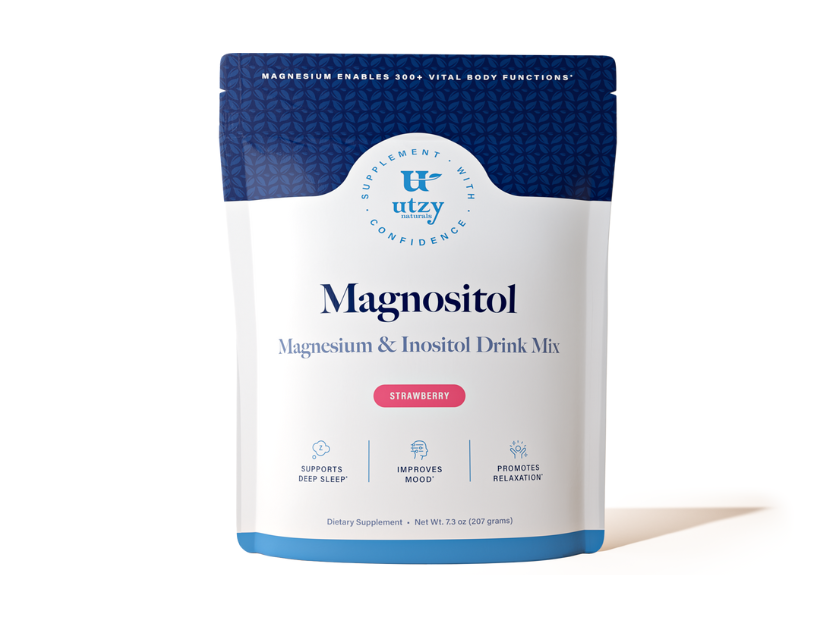
Magnesium is involved in over 300 enzymatic reactions in the body, including those that regulate vascular smooth muscle tone. A meta-analysis published in Hypertension found that magnesium supplementation was associated with clinically meaningful support for healthy blood pressure already within the normal range (Zhang et al., 2016, DOI: 10.1161/HYPERTENSIONAHA.116.07664). Despite its importance, surveys suggest that roughly half of American adults do not meet the recommended daily intake for magnesium.
Coenzyme Q10 (CoQ10)
CoQ10 is a naturally occurring antioxidant that plays a critical role in cellular energy production, particularly in the metabolically active cells of the heart. A Cochrane review analyzed multiple randomized controlled trials and concluded that CoQ10 supplementation supported healthy systolic and diastolic blood pressure levels (Ho et al., 2009, DOI: 10.1002/14651858.CD007435.pub2). CoQ10 also supports mitochondrial function in cardiac tissue, which is essential for maintaining the heart’s energy demands.
Beetroot (Nitrate Support)
Dietary nitrates from beetroot are converted to nitric oxide in the body — a molecule that signals blood vessels to relax and dilate. Research published in Hypertension demonstrated that beetroot juice supplementation supported healthy blood pressure in adults, with effects attributed to increased plasma nitrite concentrations (Webb et al., 2008, DOI: 10.1161/HYPERTENSIONAHA.107.103523).
Utzy Naturals incorporates these evidence-based nutrients into their blood pressure support formulations, recognizing that cardiovascular health benefits from addressing multiple physiological pathways simultaneously.
Building a Comprehensive Heart Health Strategy
No single supplement is a magic bullet for cardiovascular health. The most effective approach combines multiple evidence-based nutrients that address different aspects of heart and circulatory function:
Circulatory health: Nattokinase for healthy fibrinolytic activity and blood flow
Foundational nutrition: Omega-3 fatty acids (triglyceride form) for broad cardiovascular support
Blood pressure: Magnesium, CoQ10, and beetroot for vascular tone and nitric oxide production
As always, supplements work best alongside a heart-healthy diet rich in vegetables, fruits, whole grains, and lean proteins, combined with regular physical activity and stress management practices.
Frequently Asked Questions
Q: Can I take berberine and bergamot together for cholesterol support?
A: Yes. Berberine and bergamot work through different mechanisms — berberine activates AMPK for metabolic support while bergamot polyphenols influence HMG-CoA reductase and antioxidant pathways. Many practitioners recommend combining them for comprehensive lipid support. However, if you are taking cholesterol-lowering medications, consult your healthcare provider before adding either supplement.
Q: How long does it take for nattokinase to support circulation?
A: Clinical studies typically assess nattokinase over 8 to 12 weeks of consistent daily supplementation. Fibrinolytic activity may begin to change within the first few weeks, but meaningful circulatory support generally develops over two to three months of regular use. Individual responses vary based on baseline health status.
Q: What makes triglyceride-form fish oil better than ethyl ester?
A: Triglyceride-form fish oil mirrors the natural molecular structure of omega-3s as they occur in fish. Research shows it is absorbed approximately 70% more efficiently than ethyl ester forms. It is also more chemically stable, meaning less oxidation during storage. Utzy Naturals uses exclusively triglyceride-form fish oil in their Omega-3 supplement.
Q: Are these supplements safe to take with heart medications?
A: While the supplements discussed here are generally well-tolerated, several can interact with cardiovascular medications. Nattokinase may interact with blood thinners, berberine can affect drug metabolism, and omega-3s may enhance the effects of anticoagulants. Always discuss supplementation with your healthcare provider, especially if you take prescription medications.
Q: How much magnesium should I take for blood pressure support?
A: Clinical studies generally use doses between 300 and 500 mg of elemental magnesium daily. Magnesium glycinate and magnesium citrate are among the best-absorbed forms. Start with a lower dose and increase gradually, as high doses can cause digestive discomfort. Your healthcare provider can recommend the right dose based on your individual needs.
Q: Do I need all five supplements, or can I pick and choose?
A: You do not need to take all five. The best approach depends on your specific health goals and current status. Someone focused on cholesterol management might prioritize berberine and bergamot, while someone concerned about circulation might start with nattokinase and omega-3s. Work with your healthcare provider to identify which supplements align with your cardiovascular health priorities.
*These statements have not been evaluated by the Food and Drug Administration. These products are not intended to diagnose, treat, cure, or prevent any disease. Always consult with a qualified healthcare professional before starting any supplement regimen.